Berserk Meaning: Rage Mechanics in Games
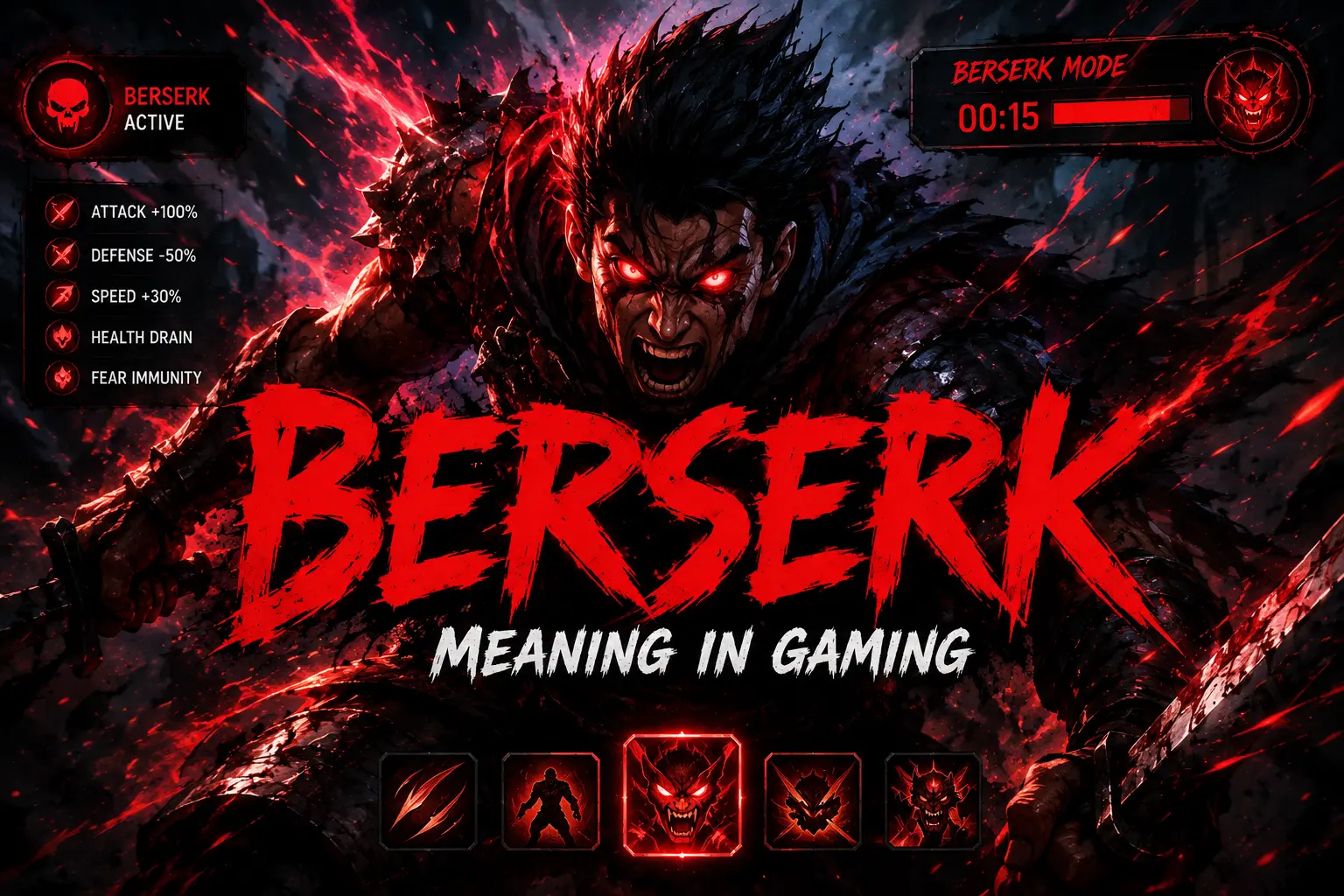
Rage mechanics have evolved from a mythic concept into a core design language in modern games, redefining how players approach combat and strategy. Berserk meaning in gaming centers on the idea of temporarily elevating power through controlled chaos, where rage mechanics become a core design axis that alters how players engage enemies, manage resources, and read battlefield tempo. Across genres—from action RPGs to competitive shooters and arena battlers—developers implement rage systems to reward aggressive play while imposing meaningful tradeoffs that preserve balance and tension. These systems can significantly shift pacing, create moments of cinematic intensity, and provide players with a tangible sense of emotional escalation, often turning a risky gamble into a decisive, momentum-shifting maneuver. By examining their origins, triggers, and sensory feedback, we can map how rage mechanics function as a product feature that enhances depth, accessibility, and replayability for a broad audience.
Origins of the term ‘berserk’ in gaming
Origins of the term ‘berserk’ in gaming trace back to myth and language. In Old Norse, the word berserkr is often described as a bear-skin wearing warrior, or more cautiously as a fierce fighter who fought in a trance-like fury. Linguists debate the precise roots, with common interpretations linking berserk to bear skins or a form of uncontrolled strength, while others suggest connections to a word meaning to burn or to be in a frenzy. Regardless of etymology, the cultural image is clear: a warrior whose rage eclipses fear, pain, and fatigue, pushing through lines of defense and turning the tide of battle.
In gaming, this mythic fury translates into mechanics that let players swap from cautious to ferocious combat in exchange for risk. The term gained traction in early video games and persisted as a shorthand for a temporary power surge that increases damage, speed, or aggression while often reducing defense or control. As games evolved, developers used the concept to create moments of cathartic gameplay and to offer players strategic levers for breaking through tough defenses. While the exact first usage in digital titles is hard to pin down, the idea of a berserk state became a recurring motif that signals intense, high-stakes engagement.
Today, the language of berserk is widely adopted across genres, sometimes with unique twists like built-in cooldowns, resource drains, or paired effects such as crowd control immunity during the frenzy. It also raises questions about balancing, player agency, and how enraged states alter perceived danger and thrill. The enduring appeal lies in compressing personal risk into an empowered moment, a design goal that resonates with players who crave rapid tempo shifts, satisfying spectacle, and meaningful choices about when and how to unleash fury.
Common triggers and activation conditions
In practice, triggers are designed to be intuitive yet varied, enabling players to plan daring sequences while maintaining challenge.
- When health drops below a critical threshold, many games trigger a berserk mode that boosts attack power and speed, but reduces defense and increases vulnerability to crowd control.
- A kill streak or consecutive hit points accumulate rage, unlocking temporary enhancements that reward aggression, accelerating cooldowns and enabling powerful finals strikes at the cost of accuracy.
- Resource consumption such as rage or fury meters reaching a fill level often triggers activation, sometimes requiring specific inputs or timing to fully unleash a devastating damage spike.
- Environmental or scripted events, such as boss phases or arena setups, initiate berserk states to shift tempo and create memorable combat moments, especially during pivotal encounters.
- Power-up pickups like runes or artifacts can trigger rage when collected, providing a temporary window where the player gains enhanced damage and mobility at the cost of accuracy.
- Character class abilities, such as berserker or frontline warrior trees, often include built-in rage springs that players can deliberately activate to break through tough defenses.
These triggers collectively shape when players can lean into rage states and how they balance aggression with risk.
Visual and audio cues designers use
Designers rely on a clear cascade of visual cues to communicate rage state without breaking immersion. Color shifts often tint the screen or armor with warmer hues like red or amber, while energy auras intensify around the character, accompanied by pulsing particle effects, increased motion blur, and occasional screen glow that signals a power spike. These cues convey rising threat and escalate as the rage meter fills, helping players time their actions and feel the surge of momentum even when tactical choices remain critical.
UI elements, such as a dedicated rage bar or icon, typically brighten, throb, or animate during charge and peak moments. Camera behaviors can intensify too, with subtle to pronounced shakes, faster panning, and occasional depth-of-field changes to emphasize impact during powerful hits. Audio feedback rounds out the sensory package: heartbeat-like basslines, roars or grit-filled exhalations, louder combat sounds, and rhythmic percussion that accelerates as the rage state nears its apex. Vibration and haptics on controllers further reinforce the sensation of raw power and risk, guiding players to time their release for maximum effect.
From a design perspective, the goal is to provide immediate, unambiguous feedback that aligns with gameplay outcomes. Visual and auditory cues must be perceptually distinct from normal combat signals so players can quickly identify when a berserk state is active and when it is winding down, ensuring that the mechanic feels earned, not arbitrary. This clarity is crucial for maintaining player trust, enabling skilled execution, and supporting a wide range of playstyles from cautious zoning to rapid, all-out aggression.
Core Features, Benefits, and How It Works
Berserk states in gaming translate intense emotional energy into tangible combat advantages, creating dramatic peak moments and clear, high-risk decisions. They often boost raw damage output, attack speed, and aggressive movement while trading some control, defense, or accuracy. Designers use these mechanics to pace encounters, reward timing, and encourage bold play through temporary power boosts. The result is a familiar tension between maximizing DPS and surviving counterattacks, a core rhythm across many action RPGs, platformers, and competitive titles. Understanding core features and player interactions helps players leverage rage without losing strategic footing.
Typical in-game effects of berserk states
Across genres, Berserk states are designed to reward risk-taking and precise timing. These effects create explosive moments where players trade safety for power.
- Damage amplification boosts weapon output, with base damage rising by a significant percentage during berserk, often scaling with duration and current rage level.
- Attack speed typically increases, letting the player perform more swings within the same window and sometimes enabling additional combos that trigger bonus effects.
- Movement and pursuit speed often rise to pursue targets faster, creating aggressive pressure and enabling tactical chases or retreats when misused.
- Guarding or parry opportunities may be altered, with some games reducing defense or altering invulnerability windows to emphasize risk reward.
- Ability resource costs might decrease while enraged, or some skills unlock unique berserk powers that are otherwise unavailable, creating varied playstyles.
Designers tune these values to avoid trivializing encounters. When balanced, rage-driven power feels earned and encourages strategic sequencing rather than mindless button mashing.
Balance trade-offs: benefits vs. costs
Berserk states deliver tangible power bursts that can reshape the tempo of a fight, but they do so by trading defense, control, and recovery options. The most visible benefit is a dramatic increase in offensive throughput: higher damage per hit, faster attack cadence, and the potential to chain strikes before opponents can respond. This combination often creates windows of opportunity where a single berserk sequence can swing an almost even encounter in the player’s favor. In many games, the effect also pressures enemies by abruptly changing their target priorities and forcing them to react to an unpredictable onslaught. The psychological impact of sustained aggression should not be underestimated, especially against cautious or highly defensive opponents. Beyond raw DPS, berserk systems can enable build diversity by overlaying with critical hits, stamina management, or special resources. When the rage meter evolves, players may unlock different tiers of power or switch the emphasis of their toolkit—from single-target burst to area denial or multi-target cleave. This strategic flexibility rewards players who understand timing, threat assessment, and the rhythm of encounters. However, power spikes must be carefully bounded to prevent the system from removing all challenge. Designers often reset meters, cap durations, or introduce counter-measures that require repositioning, cooldown management, or resource conservation. Costly trade-offs are essential to maintain tension: berserk often increases vulnerability, reduces defensive options, or drains stamina and mana at an accelerated rate. The risk is that a mistimed activation leaves the player exposed to a brutal counterattack, turning momentum into a dangerous fiasco. Some titles implement soft-lock mechanics where a berserk state disables certain defensive abilities or disables healing until the effect ends, heightening the need for precise judgment. In other cases, the rage window closes upon taking specific damage or after completing a forced sequence, ensuring that players cannot remain in peak power indefinitely. These mechanics create a careful dance between aggression and survival that underpins compelling combat pacing. Final note on balance: effective berserk design relies on consistent feedback, measurable limits, and meaningful trade-offs that keep encounters engaging rather than merely explosive.
Interaction with player abilities and controls
Berserk states commonly tie into the player’s input stream through a dedicated activation control, a combo sequence, or automatic triggers when rage thresholds are met. The control scheme determines how approachable the mechanic feels for new players versus how deep it can be for veterans who like micro-timing. Some games require a hold-and-release gesture to prevent accidental activation, while others reward rapid tapping for shorter, more brutal bursts. Feedback loops, including screen shake, slow-motion accents, and layered audio cues, help players gauge their current power and the remaining duration of the frenzy. In competitive modes, precision in input timing becomes a skill on par with aiming or tracking, elevating the perceived skill ceiling. UI overlays play a critical role: a visible rage bar, timeout banners, and attack prompts guide decisions during chaos. When the rage meter interacts with other abilities, players may unlock new combos, alternate forms, or changed control mappings, expanding tactical options without bloating the control scheme. Some titles intentionally create overlap with stamina or mana systems, creating trade-offs between aggressive bursts and resource sustainability. The best implementations preserve clarity: players should know exactly what their current options are, how long they will last, and what penalties apply once the frenzy ends. Controls and accessibility considerations matter because rage modes can be dominated by those with fast reflexes or precise input. Offering adjustable thresholds, cooldown buffers, and customizable key bindings helps players tailor the experience to their setup. Assistive features such as one-button berserk, adaptive volume cues, or haptic feedback can reduce cognitive load while maintaining a sense of empowerment. Additionally, balancing should ensure that rage actions remain meaningful across platform differences, from PC mouse-keyboard layouts to console gamepads. When these elements align, rage mechanics feel integrated rather than bolted on top of the core gameplay. Finally, berserk states interact with other systems like crowd control immunity, stagger mechanics, or healing reductions. Some games pair rage with vulnerability windows that force players to choose between maximizing damage and preserving life, while others permit continuations only after surviving a heavy hit. The result is a layered decision tree: triggers, counters, and protections that influence positioning, resource spending, and moment-to-moment choices. A well-designed integration makes rage feel like a natural extension of combat philosophy rather than a separate gimmick, enriching the game’s strategic depth and replayability.
Specifications, Compatibility, and Performance Metrics
Berserk mechanics in games hinge on rapid shifts in player state, where rage boosts damage, speed, and aggression while potentially compromising defense or control. This section outlines how rage-based systems translate to specifications, compatibility across platforms, and performance metrics that developers monitor during live service. We examine typical implementations, latency implications, and how different inputs influence timing and feedback. By exploring performance constraints and cross-platform consistency, designers can deliver responsive fury systems that feel fair and engaging across devices. The goal is to balance emotional intensity with technical robustness, ensuring that rage remains a thrill rather than a liability in multiplayer arenas.
Implementation approaches: timers, stacks, rage meters
Developers commonly rely on three core patterns to realize rage mechanics, each shaping timing, stacking, and feedback in distinct ways. Choosing among these patterns depends on game tempo, latency budgets, and the desired intensity of combat encounters. The following table provides a side-by-side comparison of timers, stacks, and rage meters, with notes on their practical implications for design, balancing, and player perception.
| Method | Mechanism | Pros | Cons | Typical Games |
|---|---|---|---|---|
| Timers | A fixed-duration countdown starts when rage is triggered and drains at a consistent rate, often linked to the player’s actions, combos, or receiving damage. | Provides predictable ramping, easy to communicate visually, and simplifies balancing because durations can be tuned precisely. It also supports smooth animation of rage effects and reliable synchronization across clients. | Can feel rigid if the window does not respond to combat flow, potentially punishing players for momentary latency or mis-timing. May reduce opportunities for adaptive play in fast exchanges. | Classic action RPGs and many arena shooters use timer-based ults to cap power windows and maintain pacing; some rhythm games couple timers with scoring incentives. |
| Stacks | Accumulated charges build up to a threshold; each successful hit or ability use adds a stack, triggering a powerful effect once the threshold is reached, with potential decay or reset after use. | Strongly rewards aggressive play and clear, tactile milestones; supports intricate resource management, allowing players to plan bursts around stack thresholds. | Balancing can be tricky if stacking leads to snowballing; UI must clearly convey remaining stacks and decay; pacing may feel inconsistent if stacks accumulate too quickly. | RPGs and action titles frequently employ stacks to monetize sustained offense; some shooters use stacking to create high-impact moments after chains of hits. |
| Rage meters | A meter fills with actions or harm, unlocking an empowered state when thresholds are met or at intervals; the effect often scales with meter level and may be capped. | Visually intuitive, easy to understand, and naturally expressive during chaotic combat; scales with player activity, rewarding persistence and bold play. | Thresholds can feel arbitrary if not tuned well; metering can reset too abruptly, interrupting momentum; requires careful UI to avoid confusion about current value. | Many action games, MMOs, and fighting titles implement rage bars to theme dramatic ultimate moves and discourage constant spamming. |
| Hybrid or adaptive meters | A composite system that blends elements of timers, stacks, or dynamic thresholds that adjust to player skill, pace, or difficulty. | Offers balancing flexibility across content and platforms; can tailor pacing to player proficiency, maintaining excitement without overstaying its welcome. | Increases design complexity and may raise a learning curve for players; debugging becomes harder as multiple subsystems interact and vary per session. | Used in some modern RPGs and action games to accommodate diverse playing styles and to preserve challenge in procedural or live-service modes. |
Choosing the right approach often hinges on the target platform, network architecture, and the intended crowd response during peak combat moments.
Performance considerations and technical constraints
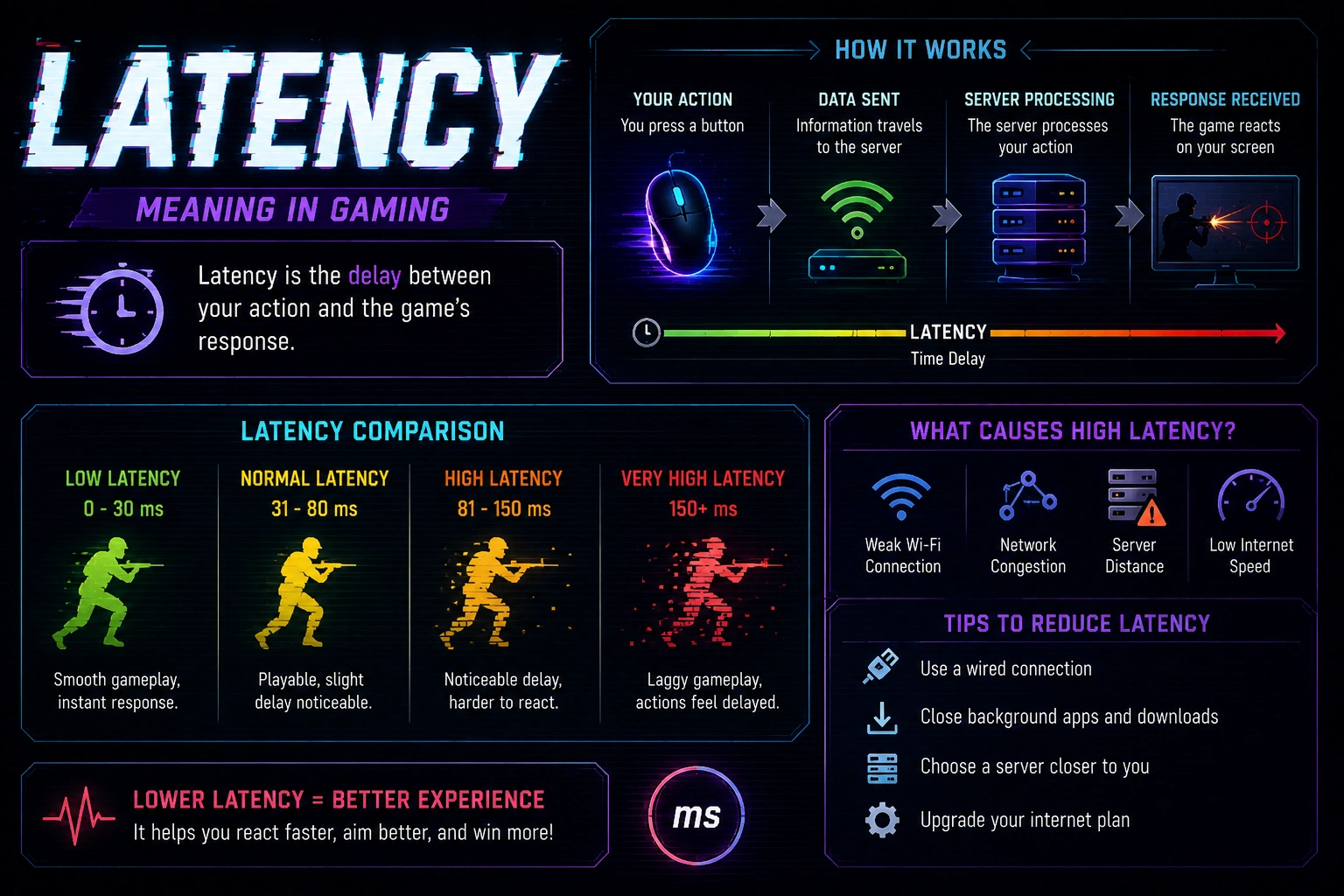
In a gaming environment, rage mechanics must withstand the pressure of real-time computation, network traffic, and graphical rendering. Latency budgets define how quickly rage state updates propagate from the server to clients, and tick rates determine how often state changes are evaluated and reconciled. High-frequency rage calculations compete with other systems, such as hit-detection, movement, and visual effects, so profiling must reveal any spikes that could introduce frame drops or stuttering. Networked games require careful serialization of rage values to ensure consistent state across players; misordered packets or late updates can create perceptible desynchronization in the UI or in the perceived power of a rage-triggered attack. Client-side prediction and server reconciliation can help mask latency, but they must be tuned to avoid exploitation or erratic behavior during edge cases like packet loss or rapid combat sequences. Developers should design rage state so that its progression is robust to jitter, with safe fallbacks or grace periods that prevent abrupt changes during frame-time fluctuations. Monitoring tools should track the frequency of rage events, the duration of empowered states, and the cumulative bandwidth used by rage-related effects. Load testing, fuzz testing, and replay analysis help surface rare but impactful issues, such as desync under congestion or inconsistent visual feedback across clients. Finally, feature flags and gradual rollouts can safeguard online services by deferring large-scale changes until stability is verified under production-like conditions.
Cross-platform consistency and input handling
Ensuring consistent rage behavior across platforms requires attention to input latency, controller differences, and platform-specific performance characteristics. Controllers differ in button mappings, shoulder button ergonomics, and dead zones, all of which influence how quickly players can build or unleash rage during fast exchanges. Desktop inputs through keyboard and mouse offer high degrees of precision and sequencing options, while console and mobile inputs emphasize stability, reach, and tactile feedback. To maintain parity, designers often implement a fixed processing cadence for rage state updates and provide uniform visual and audio cues that remain recognizable regardless of input method. UI must present current rage status with accessible contrast, scalable text, and clear labels so players can track progress during hectic moments on any device. Haptics and audio feedback should be calibrated to avoid overwhelming players on devices with strong or weak haptic channels, ensuring that rage triggers feel satisfying but not disruptive. Accessibility considerations include color-blind safe palettes, screen reader compatibility, and adjustable UI scaling to support players with vision impairments. Platform differences, including PS, Xbox, Nintendo, and PC ecosystems, introduce variation in input polling rates, OS scheduling, and network stacks; developers should profile on target hardware and tune polling and smoothing accordingly. In online play, maintaining state synchronization across clients requires consistent serialization of rage values and cross-platform prediction models. Visual fidelity and effects performance should scale with device capabilities; high-end hardware can render dense particles and post-processing, while mobile devices may reduce effects while preserving core feedback cues. Regular cross-platform testing, including ranked play and casual sessions, helps ensure pacing remains balanced and competitive regardless of platform or control scheme.
Plans, Offers, and Competitive Comparison
Berserk mechanics translate emotion into power, a concept that spans action games, RPGs, MOBAs, and strategy titles. Designers often plan these features with a careful balance of risk and reward, scripting triggers, cooldowns, and costs that shape pacing and decision making. This section surveys how rage systems are planned, what they offer players, and how players compare these systems across competing titles. By examining plans, offers (in-game incentives or cosmetic hooks tied to rage states), and competitive positioning, readers gain a map of common design patterns and diverging philosophies. The goal is to help editors, developers, and players understand how rage pressure alters pacing, decision making, and the appeal of combat moments across platforms.
How different genres implement berserk mechanics
Across genres, berserk mechanics adapt to the core tempo and tactical emphasis of the game. This section compares how action RPGs, real-time strategy titles, MOBAs, roguelikes, and sandbox adventures implement fury, balancing draw from risk and reward. While the exact triggers, duration, and costs differ, the common aim is to create a measurable peak moment that rewards precise timing and bold decision making. The following table summarizes typical patterns, then we discuss implications for design, balance, and player experience.
| Genre | Berserk Modifiers | Typical Tradeoffs | Typical Trigger | Notable Games |
|---|---|---|---|---|
| Action RPG | In action RPGs, berserk turns into a dramatic surge that raises base damage by 50–150%, increases attack speed and critical hit frequency, and sometimes unlocks a sweeping AoE, creating moments of cataclysmic DPS. This surge is designed to feel cinematic and decisive, but the duration is limited and failsafe timers prevent it from becoming a game breaker. | The surge drains stamina quickly, leaves the character more exposed to hits, reduces defensive options such as blocking or parrying, and can cause movement penalties or camera instability that impede control during the burst. | Typically activated when the player health crosses a low threshold or when a dedicated rage gauge fills, often requiring strategic use to prevent it from ending abruptly as soon as the initial advantage fades. | Diablo series, God of War (2018 onward), Dark Souls-inspired boss sequences, and action RPGs with Berserker archetypes |
| RTS/Strategy | Selected units or heroes receive a temporary power spike: higher attack speed, doubled damage, improved morale, and sometimes splash damage or armor ignoring effects. | In exchange, the unit becomes more fragile, has worse defense or vulnerabilities to magic, and resource or cooldown penalties may prevent repeated dashes into frenzy. | Triggered by a command to activate or build-up through battles or by a scripted event, often balanced by global cooldowns or limited availability per army. | Total War style variants and StarCraft II mods featuring frenzy-like buffs; Company of Heroes hero abilities |
| MOBA | A power spike that increases DPS, movement speed, and sometimes lifesteal or healing received, enabling rapid trades and outplays during team fights. | The state reduces control, increases susceptibility to crowd-control, drains mana or energy, and exposes the user to counter-engagement if teammates fail to follow up. | Usually an ultimate activation or rage-imbued item granting ramping effects, sometimes tied to critical strike windows or vengeance meters. | Tryndamere inspired builds and certain heroes in Dota 2 variants with fury-like ultimates |
| Roguelike/Procedural | Momentum buffs that stack through a run; each defeated foe or collected fury shard increases damage, crit chance, or speed, sometimes improving room-clearance for a run. | Higher risk of damage from pushing too far, fewer resources for defensive options, and potential random debuffs that scale with intensity. | Triggered by enemy defeats, relics, or fury orbs that spawn through exploration, with effects decaying as the run continues. | Hades style perks and run-based fury mechanics; Enter the Gungeon with synergy items resembling rage states |
| Sandbox/Adventure | Destruction-focused frenzy with environment interactions that unlock powerful effects and altered physics during combat. | Increases player exposure to hazards, reduces defensive options, can disrupt stealth or puzzle solving, and may amplify environmental risk to bystanders. | Engaged combat or exploration milestones, or activation via special artifacts that unlock transient berserk states. | Just Cause series with chaotic destruction; Minecraft mods introducing Fury systems; certain open-world adventures with built-in rage modes |
These patterns illustrate how genre conventions shape how forgiving or punishing rage becomes. Designers tailor rage economy to pacing and risk balance, ensuring that the moment of fury remains a turning point rather than a guaranteed win. Players learn to read visual cues, combine fury with teammate actions, and plan rotations that convert aggression into objective advantages.
Comparative analysis: popular games and variants
To understand how these concepts translate into playable experiences, here are representative examples and their unique twists. Each entry highlights trigger design, duration, and how the mechanic interacts with the game’s core tempo.
- God of War 2018 and its Leviathan Axe fury: rage builds through successful hits, increasing damage, attack speed, and occasional stun windows, while defensive options tighten and dodges become riskier during the peak moment.
- The Witcher 3 adrenaline moments revolve around critical hits and stamina management, offering short windows of boosted damage that reward precise timing in boss phases and high-risk skirmishes.
- Doom Eternal rewards aggressive play through kill chains and proximity, delivering brief damage multipliers and mobility advantages that tempt players to push forward even when surrounded.
- Hades blends boons and god modifiers that accelerate aggression and survivability during escapes, balancing risk with run length through resource choices and invulnerability windows.
- Tryndamere and other LoL champions represent fury based design at its core, using rage to fuel critical strikes and a clutch ultimate, teaching timing, splitting attention, and team fight geometry.
These examples illustrate variations in trigger mechanics, duration, and costs players bear to activate power spikes. They also show how developers align rage moments with threats, rewards, and the narrative of each title. The common thread is that fury should feel earned and consequential, with a clear on-screen signal that helps players gauge when to commit or retreat.
Design lessons and future directions
From a design perspective, the primary lesson is to treat rage as a scarce resource that players must manage across fights, not a free pass for unstructured aggression. Durations should be short enough to create dramatic moments but long enough to allow meaningful decisions, with costs like stamina drain, defensive penalties, or extended cooldowns that prevent runaway power. Clear visual and audio cues help spectators and players track fury state during fast-paced moments, supporting both live play and video review.
Tradeoffs are essential; if rage is too forgiving, players rush into danger because the reward feels guaranteed. If rage expires too quickly, players may wait too long, causing pacing that stumbles between bursts. Designers can tune triggers such as health thresholds or gauge fills to align with combat tempo, while balancing with enemy capabilities, ally reactions, and map design to preserve challenge and variety.
Looking to the future, integrating rage mechanics with AI behavior, level design, and adaptive difficulty can create more dynamic experiences. Consider multi-layer fury economies that scale with player skill, offering meaningful growth without breaking established power curves. Synergy with companion systems, environmental hazards, and accessibility options to adjust sensitivity and readability can broaden the appeal of rage systems. Beyond balance, consider the psychological implications of sustained anger mechanics, ensuring rage features support engagement without promoting negative behavior or fatigue in players.