DLC Meaning: Downloadable Content Explained
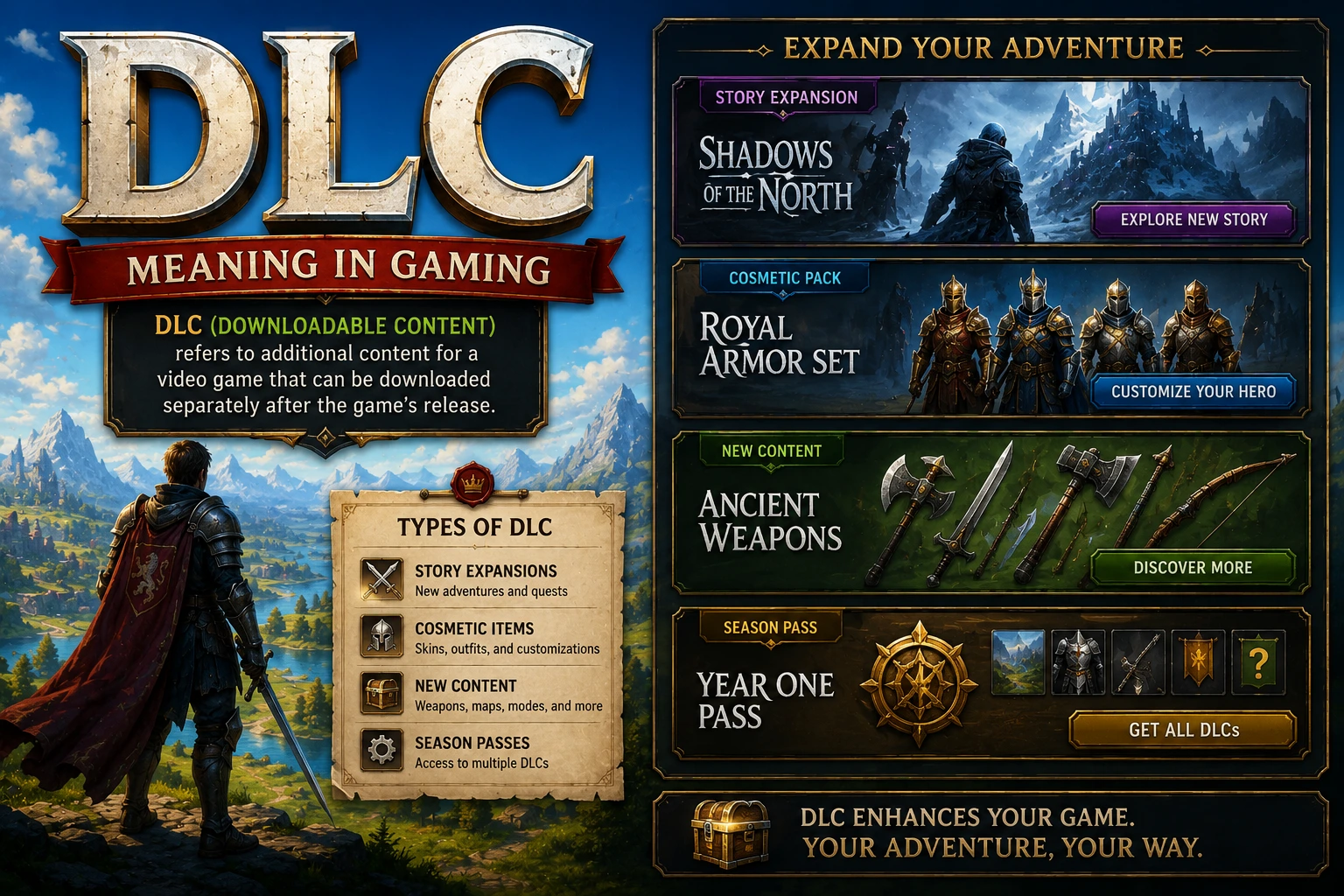
DLC stands for Downloadable Content, a label used in gaming to describe materials released after a game’s initial launch. It can range from small additions like new outfits to large expansions that extend a game’s story or map. DLC is typically purchased separately or accessed through a season pass and may include cosmetic items, new missions, characters, or gameplay features. Understanding DLC helps players assess value, developers monetize ongoing work, and publishers sustain long-term support for titles. As the gaming industry evolved, DLC became a core part of how games grow over time, influencing player engagement and revenue models.
What DLC Stands For
DLC stands for Downloadable Content, a label used in the video game industry to describe materials released after a game’s initial launch. A DLC is typically delivered through digital storefronts or in-game menus and may be free or paid. The core idea is to extend the game’s life by adding new experiences without requiring players to buy a brand new title. Content can range from small, cosmetic changes to major narrative or gameplay enhancements that alter balance or offer extended playtime. The exact content included in a DLC varies by publisher, platform, and game, but the common thread is that it adds value beyond the base experience. For players, DLC is a way to customize and deepen immersion, while for developers it provides a pathway to continue development and monetize ongoing support. Distinctions are sometimes subtle; some games bundle DLC into seasons or bundles, while others release episodic content with a paid upgrade for each chapter. Free updates, on the other hand, may include bug fixes, quality of life improvements, or balance tweaks that are separate from paid content. Understanding what qualifies as DLC helps players manage expectations around price, content scope, and how it fits within a title’s overall arc. It’s also worth noting that not all post-launch content qualifies as DLC; some offerings are microtransactions or subscription-based expansions. In practice, DLC can feel like a long tail of a game’s experience, inviting players to return for new stories, new areas to explore, or new outfits and items to personalize their hero. The landscape evolves with digital distribution, but the core idea remains consistent: additional material that expands a game beyond its original release. As a result, when evaluating a DLC, players often weigh the length of content, its lasting impact on gameplay, and how it complements the original tone and mechanics. When pricing, publishers balance development costs with expected engagement, aiming to deliver meaningful additions rather than mere hooks.
Types of DLC (Maps, Characters, Cosmetics, Story Expansions)
DLC comes in several broad categories, each serving different player interests and development goals, with cosmetic, story, and gameplay-focused options.
| DLC Type | Examples | Typical Use |
|---|---|---|
| Cosmetic and Microtransaction DLC | skins, outfits for characters, weapon cosmetics, emotes, banners, and vanity items used to personalize avatars across many games; some publishers emphasize limited-time bundles that create quick impulse purchases, while others offer persistent cosmetic catalogs to browse over months. These items often appear in seasonal rotations and cross-promotions with events, and their presence drives brand recognition without impacting gameplay balance. | cosmetic customization and monetization without altering core gameplay balance; commonly offered as a mix of single items and discounted bundles; serves as a revenue stream while keeping base gameplay intact, and can help fund ongoing development and events. |
| Expansion Packs and Story DLC | new chapters, campaigns, side stories, additional questlines, larger regions or new zones to explore, branching narratives that influence outcomes; some packs introduce new selectable characters or enemy types that alter the game’s feel. Expansions often come with fresh lore, new story beats, and sometimes mechanical shifts that redefine how players approach old and new content. | delivers substantial gameplay hours, deep lore, and new mechanics; frequently rebalances certain systems and introduces fresh encounters; aims to provide a cohesive narrative thread that complements the base game while expanding its universe. |
| Maps, Modes, and Quality-of-Life DLC | new multiplayer maps, alternate game modes, ranked seasons, cross-play improvements, and user-interface tweaks that streamline menus and reduce friction. Additional content can include accessibility options and performance optimizations tied to the core experience. | refreshes multiplayer options, extends replayability, and improves accessibility or comfort for players across skill levels; can alter the competitive landscape and map rotation, thereby extending longevities and community activity. |
| Season Passes and Time-Limited Content | season-long tracks, XP boosts, exclusive cosmetics, and time-limited events with scalable rewards; bundles that grant access to multiple upcoming drops at a discount—sometimes including exclusive items. | creates a predictable release cadence, funds ongoing development, and keeps players engaged over multiple months; encourages ongoing participation and investment in the game ecosystem. |
Ultimately, understanding these categories helps players assess value, plan their playtime, and decide how to allocate budget or attention across a title’s lifecycle.
Cosmetic and Microtransaction DLC
Cosmetic DLC focuses on appearance rather than altering core gameplay. It includes skins, outfits, weapon cosmetics, and other vanity items that let players customize characters and gear. These items often appear in bundles or as individual purchases and may be offered at various price points to suit different budgets. While cosmetic DLC has minimal impact on balance, it supports ongoing development, marketing campaigns, and post-launch support by providing a recurring revenue stream.
Expansion Packs and Story DLC
Expansion packs and story DLC add substantial content that can redefine the game’s scope. They typically introduce new chapters, quests, environments, and sometimes new playable characters or systems. Players can expect longer play sessions, more complex narratives, and deeper world-building. Publishers set pricing to reflect the added hours of gameplay and narrative depth, and expansions often require the base game to be installed and updated to the latest version.
Maps, Modes, and Quality-of-Life DLC
DLC in this category focuses on expanding how the game is played rather than what is told. New maps and modes enhance replayability, while quality-of-life changes improve usability, accessibility, and comfort. These items may be free or paid, depending on the developer’s strategy and the game’s existing monetization structure. They can significantly affect the pace of multiplayer experiences and the overall ease of use for new and returning players.
How DLC Is Delivered and Installed
To access DLC, players typically follow platform-specific steps that verify ownership and deliver the files.
- Purchase through the appropriate storefront or in-game store, then confirm your entitlement on the platform account; the add-on is linked to your profile and remains available for download as long as you maintain access to the base game and your account.
- Download begins either immediately after purchase or when you select the add-on within the game’s menu; large files may take longer depending on network speed and server load. Keep in mind that large files can take substantial time to download on slower connections, and some platforms throttle, queue, or stagger simultaneous downloads during peak hours.
- Installation and activation: after download completes, the game may require a restart, or the platform may trigger a background installation that integrates new files into the game’s data structures, checksums, and resource packs; sometimes a one-time license refresh is needed.
- Requirements and compatibility: ensure you meet the minimum game version, platform compatibility, and available storage; some DLC depends on other content or seasons to unlock fully, and you may need to update prior DLCs before the new add-on becomes fully usable.
- Managing content: verify integrity of game files, back up saves where recommended, and manage installed DLCs from platform or in-game settings; monitor patch notes for compatibility issues and known conflicts.
After installation, launch the game to verify that the new content appears as intended and to explore any new areas, missions, or items introduced by the add-on.
Common Confusion: DLC vs Patches vs Updates
Patches and updates are ongoing improvements to existing game code, while DLC adds new material that expands gameplay or storytelling. Patches fix bugs, address balance concerns, and improve performance, usually without charging players any extra money.
Updates can include major changes, new systems, or free content that broadens the base game; DLC, however, is typically a paid addition or an optional purchase that occurs separately from base game maintenance.
Microtransactions may appear within both free updates and DLC, but the key distinction lies in whether the content is optional, monetized, and designed to extend the game’s lifecycle beyond the original release. Not every new patch or update constitutes DLC, and not every DLC is paid; some games offer free expansions or bundled deals that unlock new chapters alongside standard fixes.
Season passes often combine multiple DLC drops into a single purchase, providing a predictable cadence of content and rewards. When evaluating releases, players should read descriptions, check expected playtime, and note whether content requires owning other expansions or a particular game version. This clarity matters for planning purchases, budgeting for future content, and understanding how a game creator intends to evolve their title over time.
Key Features of DLC for Games and Platforms
Platform ecosystems shape how DLC is released, priced, and delivered, influencing both developer strategy and user experience, because each platform enforces its own rules on timing, content type, bandwidth expectations, and audience targeting, which in turn alters project planning, QA workflows, and marketing calendars. By examining PC, console, and mobile environments, players gain a clearer view of store layouts, verification processes, update cycles, regional restrictions, payment rails, regional tax treatment, localization, accessibility support, and the practical implications for downloads and installed data. Publishers leverage DLC as a way to extend engagement, monetize ongoing development, and test concepts with minimal risk, while players weigh access, fairness, and the tradeoffs between upfront costs and long-term enjoyment. Successful DLC programs balance content quality, pacing, and accessibility, ensuring that updates feel meaningful rather than intrusive, and that cross-store compatibility, save data, and regional availability are clearly communicated. Understanding the broader DLC ecosystem content updates, expansion packs, cosmetics, season passes, and microtransactions helps players set expectations for value, developers plan resources, and platforms align policies with evolving gaming trends.
Platform Differences (PC, Console, Mobile)
Platform ecosystems shape how DLC is released, priced, and delivered, influencing both developer strategy and user experience. By examining PC, console, and mobile environments, players gain a clearer view of store layouts, verification processes, update cycles, and regional restrictions that affect access and performance.
- PC storefronts often provide more flexible DLC delivery, with digital bundles, larger storage allowances, and frequent promotions, but may require manual updates and larger install footprints.
- Console ecosystems typically constrain DLC to platform pass IDs, with stricter approval timelines, patch notes, and compatibility checks across hardware generations, while offering unified checkout and family sharing considerations.
- Mobile platforms emphasize smaller, modular content, chunked downloads, and frequent updates, accompanied by in-app purchase controls, storage ceilings, and careful battery and data usage optimizations.
- Cross-store restrictions and regional pricing can affect DLC availability, including currency changes, tax handling, and localized content, which developers must navigate to maintain consistent features across devices.
- Regional updates and regional rating systems influence the timing and visibility of DLC, with some platforms automating updates while others require user consent, reboot cycles, or storage checks.
Developers must monitor file sizes, bandwidth usage, and install flows to ensure smooth onboarding across devices. For players, recognizing these platform nuances helps manage expectations around availability, timing, and storage requirements.
Technical Requirements and File Sizes
DLC sizes are not just numbers; they reflect how much new content is included, how data is compressed, and how patching strategies are structured to minimize re-downloads while preserving user experience across generations. Storage considerations begin with base game install footprints and extend to the total required space after a patch or expansion, often involving multiple asset bundles, high‑resolution textures, audio packs, and localized text files that scale with language offerings. Download requirements vary by platform and connection quality, with some stores enforcing recommended speeds and others allowing slower, longer downloads that resume after interruptions, while delta patches aim to reduce bandwidth usage but can complicate install order. Hardware constraints matter too: RAM availability, GPU memory, and storage speed influence whether DLC assets load smoothly, and players should consider fast SSDs on PC or newer SSD‑equipped consoles to avoid streaming hiccups. Digital compression techniques, packaging formats, and packaging licenses can affect install times and update frequencies, so developers often publish size estimates and provide options to install selectively or defer optional content until users have sufficient space. Finally, regional licensing, language packs, and accessibility assets can add layers to the final size, as some markets require additional assets or fonts, increasing download sessions and the importance of clear size disclosures.
Compatibility and Cross-Platform DLC
Compatibility and cross platform DLC raises several practical considerations for license entitlements, cross buy and cross play, save data migration, and feature parity. Cross buy allows owners on one platform to access related content on another, but not all titles support it, and licensing terms can differ by storefront or region. Cloud saves and progression systems complicate DLC progression when the same account moves between devices, making it essential for developers to implement reliable cloud sync, local cache handling, and robust version checks. Compatibility issues can arise from differing patch cadences, API requirements, or hardware generation gaps that prevent certain content from launching on older devices, forcing players to upgrade or to access alternative routes. In practice, players should review platform notes for supported features, file size estimates, and any required dependencies to avoid missing DLC assets at launch.
DLC Monetization Models (Free, Paid, Season Passes)
Monetization models for DLC vary widely across platforms and publishers, balancing player value with sustainable development and marketplace dynamics. The table below outlines common approaches and highlights the practical implications for players and studios.
| Model | Typical Content | Access & Timing | Revenue Notes |
|---|---|---|---|
| Paid DLC | New maps, missions, characters, or story segments released as a standalone purchase. | Purchased upfront; often requires base game, may include patches. | Direct sales generate immediate revenue; occasional discounts can boost uptake. |
| Season Pass | Access to a series of future updates, bundles, and cosmetics over a defined period. | Unlocked progressively; some content may be time-limited. | Predictable revenue stream but may deter players if perceived value is low. |
| Free DLC with Microtransactions | Cosmetics, small boosts, or temporary events offered at no upfront cost. | Content remains accessible; monetization occurs via microtransactions. | Low barrier to entry; repetitive spending can raise concerns about balance. |
| Expansion Packs | Major content additions, often including new story arcs, zones, or gameplay modes. | Typically purchased separately or as bundles; larger file sizes apply. | Long-tail engagement but requires significant development resources. |
Understanding these models helps gamers compare offers, allocate budget, and anticipate when content will become available, minimizing confusion during purchases or downloads.
Benefits for Players and Publishers
DLC meaning in gaming has evolved into a central strategy for extending play and deepening player investment. By offering new quests, characters, and customization, DLC shapes how players experience a title over time. When well integrated, these additions feel like natural continuations of the story or world rather than tacked-on extras. For players, the right DLC can dramatically broaden the scope of a game and keep communities active.
Benefits for Players
DLC meaning in gaming has evolved into a central strategy for extending play and deepening player investment. By offering new quests, characters, and customization, DLC shapes how players experience a title over time. When well integrated, these additions feel like natural continuations of the story or world rather than tacked-on extras. For players, the right DLC can dramatically broaden the scope of a game and keep communities active.
- New campaigns, missions, or story arcs extend the main game, providing fresh goals, deeper world-building, and longer play sessions for dedicated fans.
- Cosmetics and customization options allow personal expression without changing core balance, rewarding long-term players while remaining accessible to newcomers.
- New maps, modes, and challenges inject variety, test different skills, and slow the meta stagnation by encouraging experimentation and friendly competition.
- Quality of life updates, bug fixes, and compatibility patches improve reliability and preserve value, ensuring content feels polished rather than rushed.
- Season passes and bundles offer predictable access to future drops, helping players plan purchases and giving developers sustainable revenue streams.
- Community tools, mod support reminders, and cross-promotion opportunities help players discover new ways to enjoy content and extend a game’s life.
Ultimately, DLC should complement the base game by delivering meaningful content that respects players time and expectations. When aligned with a title’s vision, DLC strengthens loyalty, extends life cycles, and keeps conversations fresh between releases.
Benefits for Publishers and Developers
For publishers and developers, DLC represents a strategic tool to extend monetization, balance development costs, and sustain player engagement beyond a single launch window. Properly paced, it converts one-time buyers into long-term fans, who return for recurring content drops, seasonal events, and narrative chapters that expand the game’s universe. DLC creates ongoing incentives for players to explore the title again, experiment with new builds, and share discoveries with friends, which in turn fuels organic growth and word-of-mouth referrals. From a production standpoint, DLC supports a modular development approach, where teams can plan, test, and refine features in manageable increments rather than rushing a final, wholesale release. This cadence helps studios manage risk by spreading costs over time and aligning investments with observed player demand. Season passes or bundles also provide upfront revenue that funds future content, instrumenting a more stable budget for post-launch improvements. Furthermore, DLC can inspire cross-promotions, licensing, and partnerships that broaden a game’s footprint across platforms, genres, and markets. It also gives publishers a closer connection to communities through data on which content resonates, enabling targeted updates and better forecasting of future work. When executed with clear value, DLC improves retention, increases lifetime value per user, and sustains the creative vision of a title well beyond its original shelf life.
Potential Downsides for Players
Despite the potential upside, there are genuine downsides for players. Fragmentation occurs when DLC campaigns release across inconsistent schedules or for different platforms, creating a sense of gated content and uneven access to essential features. Paywalls and timed exclusives can erode trust, especially if core experiences feel incomplete without extra purchases. Perceived price inflation is another risk, where players feel asked to pay again for content that should be included in the base experience. Balancing DLC with core gameplay is delicate; overemphasis on monetization can shift attention away from quality and story, prompting players to abandon a title or migrate to competitors. In some cases, DLC crowds out community-driven sharing, as players with money can jump ahead or bypass common challenges, reducing shared experiences. Accessibility is also a concern: high costs, opaque progression, or frequent microtransactions can alienate casual players, younger audiences, or regions with tighter budgets. Finally, a misalignment between what is promised and what is delivered damages credibility, invites backlash, and can lead to refund requests or boycotts. When developers listen to players, fix issues, and price content fairly, DLC can still be a net positive rather than a force for division.
Case Studies: Successful and Failed DLCs
Case studies show both sides. The Witcher 3: Hearts of Stone and Blood and Wine stand as benchmarks for high-quality DLC, delivering substantial new quests, new domains, new gear, and meaningful endings that felt like natural extensions of the main story. These expansions were priced reasonably, received universal critical praise, and boosted overall sales and longevity for the franchise. By contrast, Star Wars Battlefront II’s initial approach to loot-based progression drew intense backlash, leading to a major reputational hit, internal restructuring, and a rapid pivot toward a more transparent, cosmetic-focused model with post-launch updates. The contrast illustrates that DLC success hinges on substantive content, fair pricing, transparent monetization, and alignment with a game’s core identity. No Man’s Sky later demonstrated how free, regular updates and major feature additions can rehabilitate perception after a rocky launch, reinforcing that ongoing value, whether paid or free, matters more than single, manipulative monetization moments.
Offers, Pricing, and How to Purchase DLC
Offers, pricing, and how to purchase DLC cover the range of decisions players face after launch when a game adds new content such as maps, missions, characters, cosmetics, or expanded storylines, and this makes understanding the ecosystem essential for players who want to extend their time with their favorite titles, because the availability of DLC reflects not only creative ambition but also deeper monetization strategies that shape what content is offered, when it arrives, and how much value it represents in relation to the base game, ongoing updates, and the broader gaming marketplace. DLC can arrive as small add ons that cost just a few dollars or as large expansion packs that demand a higher upfront price, and some publishers reward long term players with season passes or ultimate editions that bundle multiple pieces of content, while bundles may present the best value when many DLC drops are planned, yet the true value often depends on personal preference, whether the player enjoys the new mechanics, the quality of writing, the replay appeal, and how much time is expected to be spent with the new content. Storefronts and in game shops provide access to DLC across platforms, and prices can vary by region and store, with some items available as free updates while others appear in paid drops or bundles; promotions and sales can dramatically alter perceived value, so players should compare options and consider whether a season pass or a bundle aligns with their playing schedule and interests. This guide outlines common pricing structures, where to buy, how to purchase step by step, and practical tips for snagging good deals while staying safe, with a focus on helping players navigate digital content upgrades across PC, console, and mobile ecosystems without confusion or frustration.
Common Pricing Models and Sales (Season Pass, Bundles)
Pricing for DLC commonly follows several recognizable patterns that help players evaluate value and plan purchases across titles. The basic model is the standalone DLC, where new maps, missions, characters, or story segments are sold as an individual item with a price that reflects its scope and content depth, and this price typically ranges from a few dollars for small add ons to around 15 to 40 dollars for substantial expansions, depending on production quality and expected replay value. In many games a season pass offers access to a sequence of future DLC drops for a single upfront price, with the intent of delivering ongoing content over the course of a year or more; the per item cost tends to be lower if many drops are included, though the immediate outlay is higher and players need to anticipate how much time they will devote to the content to justify the investment; publishers use these passes to secure ongoing engagement and to smooth revenue across development cycles. Bundles and enhanced editions provide another route, combining base game ownership with one or more DLC chapters at a discount relative to buying each piece separately, and bundles can also appear as complete editions such as GOTY or ultimate editions that compile the core game plus a curated slate of expansions and cosmetic packs, offering perceived value for collectors and players who want a consolidated purchase. It is important to recognize differences across regions and stores, where the same DLC can carry different price points or eligibility for promotions, and to consider whether the included items match current interests, as not every DLC is equally appealing to every player; some content adds substantial new campaign length while other items focus primarily on cosmetics or convenience features, and this contrast shapes how players perceive worth. Finally, content updates can be free or paid, with many developers choosing to release free updates to expand the game without charging and reserving paid DLC for broader or more ambitious content, a dynamic that keeps games fresh while providing clear signals about what kind of ongoing monetization strategy a title follows.
Where to Buy: Storefronts and In-Game Purchases
Buying DLC happens through multiple channels, and knowing where to look helps players compare options and avoid mispricing or incompatible content. The most common routes are official storefronts that are tied to the platform such as PC shops, console digital stores, and mobile marketplaces; on PC this includes major platforms like Steam, the Epic Games Store, and sometimes the publisher direct store, while console players typically shop through the PlayStation Store, Xbox Store, or Nintendo eShop; each storefront often presents a clear DLC listing with a price, a short description, and a compatibility notice that helps buyers confirm that the add on supports their current game version and region. In addition to storefront purchases, many titles offer in game stores where players can buy DLC directly from within the game client, with payments processed through the platform wallet or linked payment method; this route can be convenient for hot new drops, but it is important to watch for regional pricing differences and to verify the content will download to the correct library. Region and language options can influence the content available and the price shown, and players should check that the DLC aligns with their platform and account region before completing a purchase; some games also support digital codes that players redeem in the correct storefront, which can be a handy option if a friend provides a code as a gift or if a retailer sends a sale that is better applied via code. Regardless of the route, always use official stores to avoid scams, keep receipts or order confirmations, and monitor installation status to confirm that the content has been linked to the base game and added to the library. Refund policies vary by platform and retailer, with many stores offering a limited window to return DLC that has not been consumed, but some exceptions apply for large bundles or special editions; reading the terms helps avoid unexpected charges.
How to Purchase DLC: Step-by-Step Guide
Begin by confirming compatibility and ensuring the base game is up to date before starting the purchase process; then locate the DLC page through the official storefront or the in game store and review the content details, price, prerequisites, and any bundle or season pass options that might apply; decide whether to buy the content as a standalone item, as part of a season pass, or as part of a bundle to maximize value, and add the chosen option to the shopping cart; proceed to checkout, select a payment method, and complete the purchase using a wallet, card, or gift card as available in the platform ecosystem; after payment the DLC will appear in the user library or in the game menu from which it can be downloaded or installed, and in many cases the game may prompt for a restart or for a manual update to enable the new content; once installed, launch the game to verify that the new content is visible in the main menu, in the mission list, or in the multiplayer lobby, depending on the type of DLC acquired, and manage any required updates or patches that fly in alongside the download; if the purchase is via an in game store, the process looks similar but follows the platform purchase path and may require a quick sign in and wallet confirmation before the item unlocks in the game; always keep confirmation emails or receipts for reference and monitor library status to ensure the content has been activated correctly.
Tips for Getting DLC on Sale and Avoiding Scams
Plan ahead by following store calendars, subscribing to newsletters, and using price tracking tools to monitor discounts on DLC; seasonal sales and publisher events often offer significant savings on a wide range of content, and it pays to know typical discount windows for the platforms you use so you can time purchases without missing out on value; before buying, compare options across standalone DLC, season passes, and bundles to determine the best per item cost based on how much time you expect to invest in the new content and whether the items align with your play style and preferred modes; to avoid scams stick to official stores and verified retailers, double check the domain name in the browser, and be cautious of messages or emails claiming exclusive codes outside of the known storefront channels; never share account credentials, and beware deals that require you to install third party launchers or enter sensitive information on unfamiliar pages; when possible use gift cards or platform wallets to minimize exposure and keep an eye on refund windows and regional restrictions so you can undo a purchase if the content does not match its description or fails to install properly; finally, verify compatibility with the base game and ensure that the DLC you want is supported by your device, as some add ons may be blocked by hardware limitations or region locks, and always read the fine print about what the DLC actually includes to avoid paying for items you will not use.