Matchmaking Meaning In Gaming – Definition and Examples
Matchmaking in gaming refers to the systems and processes that pair players into games based on various factors such as skill, latency, and player preferences. These systems aim to create fair, competitive, and enjoyable experiences by matching players of similar ability and ensuring reasonable queue times. The concept encompasses skill-based matchmaking, rank-based ladders, party and social matchmaking, and real-time updates as players improve or shift in skill. Understanding how matchmaking works helps players set accurate expectations and developers optimize balance and engagement. From quick casual matches to high-stakes ranked seasons, matchmaking quality directly influences perceived fairness and long-term player satisfaction.
What is Matchmaking in Gaming?
Matchmaking in gaming is the collection of algorithms and rules that determine who gets placed into a game together. At its core, matchmaking takes varied inputs—player skill, latency, recent performance, and even player preferences—and outputs a match that balances challenge with fairness. Most systems rely on a numeric signal called a matchmaking rating (MMR) or skill rating, sometimes paired with a visible rank. This rating approximates a player's ability based on historical results, moves, and the difficulty of opponents faced. The rating is updated after each game using an algorithm designed to converge toward an accurate estimate of skill, while also preventing rapid spikes that would undermine trust in the system. In practice, matchmaking tries to satisfy several goals at once: keep queues reasonably short, ensure games are neither too easy nor too punishing, and maintain a sense of progression for players as they improve. Different genres demand different emphasis: fast, precise skill matching for competitive shooters; team-oriented balance for MOBAs; and fair, large-scale matching for battle royale titles with many participants. Some games emphasize rank-based progression, offering clear ladders and seasonal resets that reward consistency; others lean toward skill-only matching to reflect current performance regardless of previous results. However, all effective matchmaking systems share common components: a pool of eligible players, a metric that captures performance, rules to handle input from parties, and safeguards like latency checks to avoid unfair advantages. In modern services, real-time adjustments are possible as players improve or change platforms; matchmaking can also adapt to time-of-day patterns or regional populations to minimize wait times. Beyond the social dimension, players value being matched with peers who share playstyle and language, which leads to better cooperation and enjoyment even in challenging games. In short, matchmaking is about translating player data into fair, dynamic, and engaging experiences that keep the community thriving while respecting the realities of online play.
Types of Matchmaking Systems (Skill-based, Rank-based, Social)
Types of matchmaking systems shape the player experience by balancing skill, rank, and social grouping. The following table compares three common approaches used across multiplayer titles:
| Type | Core Idea | Typical Use Case |
|---|---|---|
| Skill-based matchmaking | Sorts players by a numeric skill score derived from performance metrics and recent results; aims to pair players with similar expected performance. | Competitive modes and ranked queues where balance is critical and wins/losses influence progression. |
| Rank-based matchmaking | Uses predefined tiers or ranks (e.g., Bronze to Challenger) to group players; emphasis on ladder structure and seasonal resets. | Seasonal ladders and tournaments where visibility of relative standing matters and players chase rank milestones. |
| Social/friend-based matchmaking | Assembles matches around pre-formed parties or friend lists, prioritizing social compatibility and teamwork over precise skill matching. | Casual play, party queues, and cooperative modes where players want to team up with friends. |
Hybrid approaches also exist, blending elements of each system to balance fairness with social convenience and queue efficiency. Developers often tune the weight of each signal to reflect genre, player expectations, and population size.
Real-world Examples and Case Studies
Real-world examples of matchmaking systems span a range of genres and game designs, each reflecting the priorities of the player base and the developer’s goals. In major MOBAs like League of Legends and Dota 2, matchmaking relies on a hidden matchmaking rating (MMR) that estimates skill and adjusts the difficulty of opponents and teammates to produce balanced games. The results typically show improved win rates and longer match quality when the system matches players with comparable skill, though it can also lead to longer wait times during off-peak hours. In tactical shooters such as Counter-Strike and Valorant, precise skill matching and latency awareness help preserve competitive integrity and ensure tense, fair rounds. In battle royale titles, matchmaking must handle large pools and diverse play styles, often grouping squads with similar average skill while considering party composition and regional latency. The evolution of matchmaking is also tied to data transparency and trust; many players appreciate clear signals about why a match was created and how their rating moved after a game. Case studies show that small improvements in lobby composition, cross-region rules, or adaptive queue thresholds can yield meaningful gains in engagement and satisfaction, especially for new players learning the game. Across the industry, teams experiment with hybrid systems that combine skill, rank, and social factors, balancing the benefits of competitive rigor with the accessibility of casual play. Ultimately, the most successful matchmaking implementations are those that align with the game’s design goals, maintain a stable meta, and keep the player base connected through regular, fair, and enjoyable matches.
Core Features of Our Matchmaking Service
Our core matchmaking service is designed to deliver fair, fast, and engaging experiences across games and regions.
It combines advanced algorithms with real-time data to balance skill, latency, and player preferences, ensuring matches feel competitive and enjoyable.
We emphasize transparency about how matches are formed, providing insights into signal weights and decision factors that affect the queue and squad composition.
This foundation supports competitive gaming while reducing wait times, improving reliability, and scaling to growing player bases without compromising safety or inclusivity.
Key Algorithms and Technologies
At the heart of our matchmaking service lies a layered approach that blends traditional rating systems with modern machine learning to adapt to changing player populations. The system uses a baseline skill model that estimates a player’s current capability based on historical results, role diversity, and the context of recent matches. Skill is treated as a probabilistic variable rather than a fixed number, allowing for natural fluctuations in performance and form. To stay relevant as the game evolves, models are retrained on anonymized telemetry so the system reflects present-day competition. This foundation helps preserve fair pairing as the player base grows and activity patterns shift.
To translate skill into pairings, we deploy a TrueSkill-inspired rating with a volatility term that captures uncertainty about a player’s true strength. The algorithm updates ratings after each match, weighting scores by margin of victory, opponent strength, and how recently results occurred. The design minimizes abrupt rating swings and keeps matchups stable over time. We also place caps on exposure to prevent clustering of players in a single tier, maintaining opportunities for diverse, engaging games. In team modes, the system tracks roles and preferred positions to balance composition and challenge across matches.
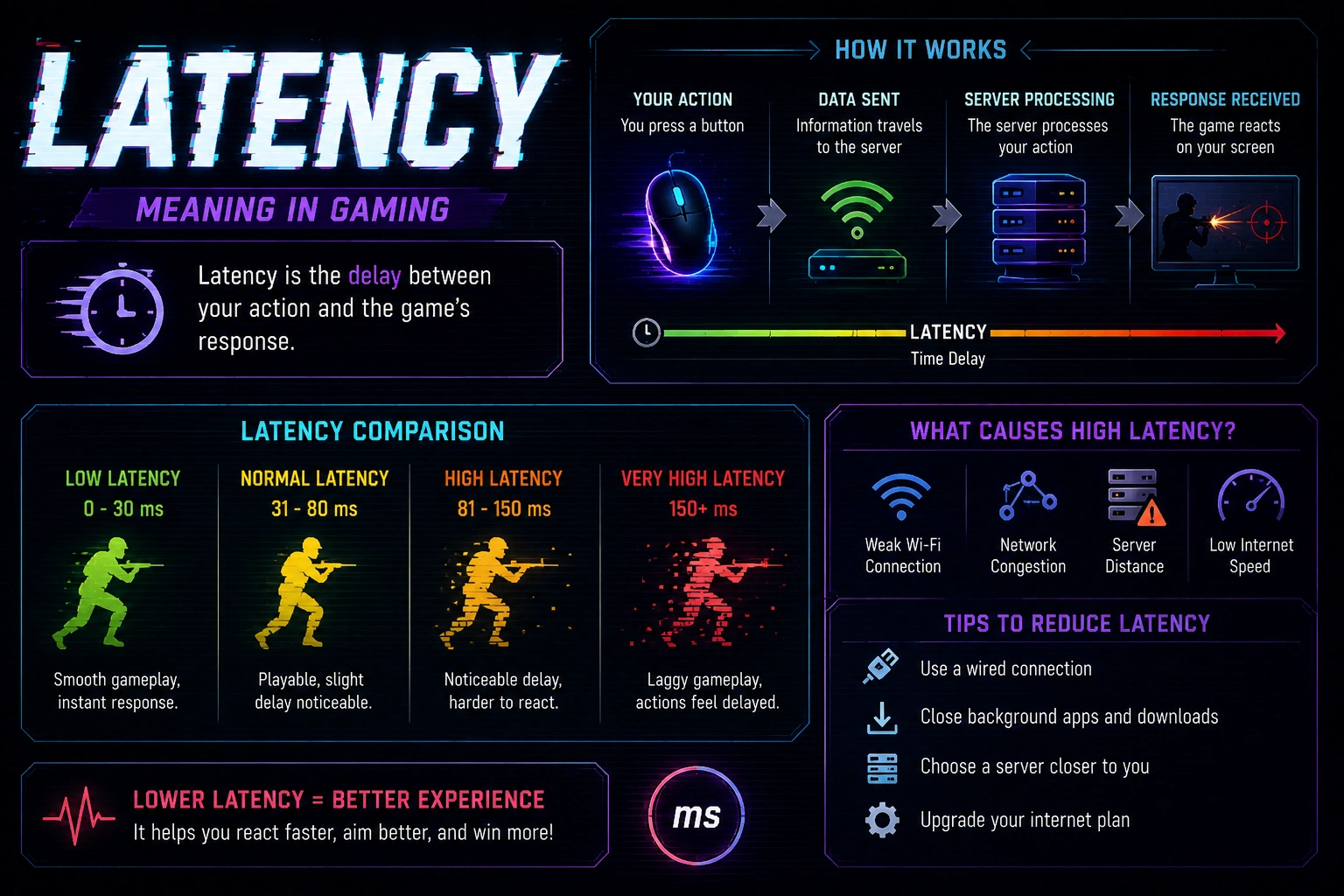
Latency awareness is embedded in the core logic. Real-time ping measurements guide server proximity decisions so matches form between players with comparable latency where possible. When necessary, the system routes players to nearby data centers to reduce lag, desynchronization, and disconnects that degrade the experience. In fast-paced titles, even small ping differences can shift perceived responsiveness, so proximity is treated alongside skill to preserve fair play and smooth gameplay.
Dynamic queue balancing combines waiting time with skill parity. The engine monitors queue length, average wait, and the distribution of waiting player ratings, adjusting match windows in response to population changes. In longer queues, the system can widen acceptable rating gaps or temporarily relax role constraints to keep players moving toward a game. In short, the algorithm adapts to current workloads rather than applying a rigid formula, improving throughput without sacrificing match quality.
Fairness controls and anti-exploit mechanisms are woven into every stage. The system detects unusual win rates, improbable rating jumps, or repeated early surrender patterns that signal abuse and triggers safeguards. We monitor suspicious behavior like smurfing, collusion, or account sharing while preserving privacy through anonymized signals for training. The model then adjusts weights on problematic signals or routes flagged players to protected queues for verification, preserving balance while permitting legitimate growth of the player community.
Beyond accuracy, the service emphasizes transparency and continuous improvement. Players receive explanations of what signals influenced their matches and, where appropriate, opt into more or less aggressive matchmaking. The architecture supports experimentation through safe A/B testing, allowing gradual refinement of heuristics with real user data. By fusing rigorous mathematics with practical gameplay insights, the system delivers consistent, high-quality matchups across modes, regions, and skill levels.
Player Metrics Used for Pairing
To ensure fair and engaging experiences, the system relies on a structured set of metrics that are continually updated.
| Metric | Purpose | Impact on Pairing | Data Sources |
|---|---|---|---|
| Skill Rating (MMR) | Estimates current ability | Centers matches around players with similar skill | Match results, historical ratings |
| Recent Performance | Captures short-term momentum | Adjusts for streaks and recent form | Last 20-30 matches |
| Latency and Proximity | Minimizes lag and improves responsiveness | Prefers matches in nearby regions | Ping tests, server location |
| Playstyle and Role Preference | Balances team composition | Improves synergy and role coverage | Player-selected roles, behavior data |
| Consistency and Behavior | Detects stability and reliability | Stabilizes match quality over time | Match history, reports |
These metrics drive a dynamic scoring model that balances skill parity with pace and player preferences across queues.
Integration and API Capabilities
To enable developers to integrate with our matchmaking service at scale, the integration layer exposes a set of robust APIs and events designed for reliability, security, and flexibility.
- Real-time matchmaking API enables retrieval of current queue states, estimated wait times, and nearby buddy recommendations, helping clients synchronize user flow with game sessions and improve retention.
- Queue management endpoints support create, cancel, and requeue operations, with deterministic routing rules, region-aware fallbacks, and historical throughput data to optimize automation and reduce downtime.
- Player and match data access offers secure, privacy-preserving read and write capabilities for anonymized metrics, performance trends, and audit trails that support analytics, personalization, and fairness checks.
- Webhooks and event streams publish instantaneous updates on queue progress, match findings, and game start events to empower external dashboards, automation scripts, and real-time monitoring.
- Authentication, permissions, and privacy controls enforce robust access policies, rate limits, and data isolation, ensuring compliant integrations while preserving player privacy and consent.
These capabilities enable seamless, scalable integration with external tools and partners while maintaining high standards for reliability and security.
Benefits, Performance, and Competitive Advantages
Effective matchmaking in gaming directly influences how players perceive fairness, flow, and enjoyment across sessions. By aligning skill, rank, and playstyle, a robust system reduces situational frustration and keeps players engaged longer. Smart matchmaking also shortens wait times and optimizes queue dynamics, which supports steady participation in multiplayer modes. From a product perspective, these benefits translate into higher retention, more repeated play, and stronger word-of-mouth in competitive gaming communities. Below, we explore the benefits, performance considerations, and competitive advantages of modern matchmaking solutions.
Player Experience and Retention Benefits
Strong player experience starts with fair, predictable matchmaking that respects players’ goals and time. In the context of Matchmaking in gaming, players expect matches that feel balanced and competitive, not random or uneven. When teams can trust that a match will reflect their skill and progress, they stay longer and explore more modes. A well-tuned system also minimizes confusing losses, reduces grind friction, and supports a clear path toward mastery. These attributes directly influence retention metrics, as players are more likely to return after successful sessions and recommended experiences. A focus on fairness in matchmaking is therefore a core driver of long-term engagement.
Skill-based matchmaking, rank alignment, and preference-aware pairing contribute to a sense of competence and control. Players feel their efforts translate into meaningful outcomes, which reinforces continued play and reduces churn. When the matchmaking system can quickly pair similar-skilled opponents and teammates, the cognitive load stays manageable and the flow state remains intact. Efficient queue dynamics prevent long waits that disrupt momentum and break immersion. Personalization features—such as region selection, preferred roles, and playstyle tagging—further enhance the experience by reducing forced adaptation. In short, matchmaking quality directly shapes how players perceive value and stickiness in multiplayer titles.
Retention benefits extend beyond immediate matches. Consistent, positive experiences encourage social engagement: players form long-term groups, invite friends, and maintain a regular cadence of play. A stable matchmaking framework also supports onboarding, allowing newcomers to encounter approachable competition that matches their learning curve. By protecting newcomers from steep skill gaps while preserving challenge for veterans, games can broaden their audiences without fragmenting the player base. This balance is crucial for sustaining vibrant communities and healthy growth curves over multiple seasons.
From a product perspective, fewer disruptive losses and smoother progression paths translate into higher session length and more daily active users. Players who enjoy reliable matchmaking are more likely to explore extensions such as ranked ladders, tournaments, and co-op events. The system’s ability to learn from past sessions and adjust future pairings helps players feel seen and understood, which strengthens loyalty. Positive feedback loops—where skill improvement leads to better matches and better matches drive improvement—create a virtuous cycle of engagement. Ultimately, player experience and retention hinge on the perceived fairness, responsiveness, and personalization of matchmaking.
Data-driven insights play a pivotal role. Developers can measure satisfaction through in-game indicators, surveys, and long-term retention analytics, then iterate on algorithms to close gaps. A/B testing, controlled experiments, and telemetry data reveal how tweaks to weightings, queue policies, and pool sizes impact enjoyment and progression. When players sense that matchmaking responds to their behavior without overfitting to a narrow subset, trust grows. A thoughtful, player-centric approach to matchmaking turns skill-based pairing from a technical requirement into a compelling, value-adding feature that supports ongoing engagement.
Taken together, player experience and retention benefits arise from combining accurate skill assessment, adaptive pairing, and transparent communication. By delivering consistent, fair, and enjoyable matches, games sustain longer sessions, stronger communities, and healthier monetization through ongoing participation. In this context, matchmaking is not only a technical function but a strategic lever for growth and loyalty in competitive gaming.
Performance Metrics and Scalability
Performance metrics in gaming matchmaking measure how quickly and reliably the system can produce fair matches under varying load. A well-designed system minimizes wait time, reduces match churn, and preserves match quality as player counts surge. The core objective is to balance speed with accuracy, ensuring that rapid pairing does not sacrifice skill alignment or variety. In practice, teams track signals such as Time-To-First-Match (TTFM), average match duration, and the distribution of skill gaps within pairs. Real-time telemetry feeds guardrails against runaway latency and imbalanced pools, enabling proactive tuning before players notice frictions. Clarity around these metrics helps product managers set targets that align with user expectations and business goals.
Scalability depends on how the matchmaking engine handles concurrent requests, data replication, and regional routing. Capacity plans rely on observed peak loads, growth projections, and seasonal events. Techniques include autoscaling of compute resources, dynamic pool sizing, and regional sharding to minimize cross-border hops. A robust system preserves low latency even when thousands of matches are created per minute. It also mitigates volatility by decoupling the matchmaking logic from game state servers, allowing independent scaling of pairing decisions and post-match processing. These practices maintain stable performance, reduce timeouts, and support a growing player base without compromising fairness.
Quality assurance for performance metrics combines synthetic testing, canaries, and real user measurements. Engineers instrument critical paths, such as queue management, neighbor comparisons, and ranking updates, to detect drift quickly. Service-level objectives (SLOs) guide incident response and capacity planning, while error budgets encourage measured experimentation. Cross-region testing evaluates how network conditions affect the experience for players far from data centers. Observability dashboards surface key indicators—TTFM trends, pool saturation, and average distance between paired players—supporting data-driven decisions. When metrics converge toward targets, players perceive faster, smoother matchmaking and a more consistent competitive environment.
Beyond technical KPIs, business-oriented metrics capture the value of scalable matchmaking. Improved latency, stable queues, and fair pairings translate into higher session lengths, increased participation in ranked play, and more durable player retention. Efficient systems reduce operational costs by optimizing compute usage, data transfer, and storage for match histories and rankings. Regular benchmarking against industry standards demonstrates competitive parity and helps portfolio owners justify investment in algorithm improvements. By aligning performance goals with user experience, teams can deliver a reliable service that sustains engagement during growth phases and major game updates.
For ongoing success, teams prioritize monitoring, alerting, and iterative improvement. Real-time dashboards, anomaly detection, and structured incident reviews ensure issues are found and resolved quickly, minimizing disruption to players. In practice, this means tighter feedback loops between data scientists, platform engineers, and game designers to refine metrics and tune matchmaking behavior over time.
Competitive Advantages Over Other Systems
Competitive advantages arise from a combination of real-time adaptability and transparent, player-informed mechanics. The following features distinguish this matchmaking system in a crowded market.
- Dynamic skill-based scaling maintains appropriate challenge by matching players with opponents at a comparable skill level, while safeguards help newcomers avoid crushing defeats and discouragement.
- Adaptive player pooling groups players by playstyle, region, and preferred modes, accelerating queue times and increasing the likelihood of meaningful, cooperative team experiences.
- Transparent balance indicators explain why pairs were formed, boosting trust and reducing frustration when outcomes diverge from expectations.
- Personalized preferences and role weighting ensure players see matches aligned with their favored roles and arenas, reinforcing motivation to compete and improve.
- Robust safety features and anti-traud controls maintain fair competition and a welcoming environment, preserving long-term engagement in competitive titles.
This combination supports meaningful, repeatable matches and builds player trust in the system.
Real-Time Skill Calibration
Real-time skill calibration relies on frequent, lightweight updates to each player’s estimated ability. The system continuously analyzes recent match results, role choices, and performance against opponents to adjust ratings without overreacting to a single outlier. By using a rolling window and dampening unusual swings, accuracy improves while stability remains intact. This approach helps prevent players from repeatedly encountering outsized skill disparities after a series of atypical performances. It also supports warming up periods where players learn a new role or strategy, ensuring that early games reflect growing competence rather than initial variance. In practice, this leads to fairer early matches and steadier progression.
Dynamic Player Pooling
Dynamic player pooling organizes queues by multiple dimensions, including region, latency, preferred mode, and recent incident history. The system rebalances pool membership in real time to preserve match quality as new players enter the queue. This reduces wait times during peak periods and prevents stagnation when particular skill bands are underrepresented. By continuously evaluating pool composition, the engine can temporarily widen or tighten constraints to optimize pairing without sacrificing fairness. Real-time pool management also supports cross-play scenarios by stitching together compatible cohorts from different platforms while maintaining equitable competition.
Transparent Match Feedback
Transparent match feedback communicates the rationale behind pairings, outcomes, and progression. Players receive concise explanations of the factors that influenced a given match, such as rank deltas, recent performance, or role selections. This clarity reduces confusion after losses and highlights opportunities for improvement. The feature also provides in-game guidance, including suggested practice focuses, upcoming events, and how to climb the ladder more effectively. By making matchmaking processes legible, the system builds trust, lowers frustration, and encourages players to engage with learning resources. Transparent feedback complements performance data, enabling players to align effort with realistic goals.
Plans, Pricing, and Getting Started
Choosing the right plan is essential for balancing cost, performance, and control over how players are matched in competitive and casual gaming.
Our plans are designed to scale with your audience, latency targets, and the number of parallel matches you run each hour.
We provide transparent pricing, detailed inclusions, and clear upgrade paths so you can start small and grow without disruption.
You’ll also gain access to onboarding support, dashboards, and ongoing optimization guidance that help you maximize fairness and engagement across your multiplayer titles.
Pricing Tiers and What They Include
Pricing is designed to reflect the value delivered by a robust matchmaking system, not merely the number of players connected. We start with a philosophy that favors fairness, transparency, and scalability, so your costs align with the actual capabilities you use. Each tier is accompanied by a clearly defined set of features, service levels, and ongoing support that together drive consistent player experiences, even as your game library, audience size, or peak activity shifts. When you invest, you invest in a predictable foundation: faster access to skilled players, robust data analytics, and reliable performance across regions. In practice, this means you can forecast expenses with confidence, optimize queue dynamics, and avoid surprises during busy seasons.
Beyond the base features, our pricing reflects a commitment to governance, security, and continuous improvement. You’ll find clear guidance on data handling, privacy controls, and compliance, plus structured upgrade paths that let you scale without reinventing your integration. We include access to our analytics suite, standard dashboards, and a toolkit for validating changes in matchmaking behavior before you deploy them to production.
Billing and commitment terms are designed to be predictable and flexible. Monthly plans offer agility during experimentation and growth, while annual commitments provide a discount in exchange for longer-term alignment. You can add or remove seats, expand regional coverage, or upgrade to higher tiers as your player base expands. Transparent renewal reminders, usage baselines, and clear cancellation terms help you manage budgets without sacrificing the quality of matchmaking and support.
To help you evaluate value over time, we offer case studies and reference practices demonstrating how organizations optimized queue times, improved match fairness, and sustained player retention after adopting higher tiers. These resources illustrate practical outcomes and provide benchmarks you can target as you grow.
All tiers include regular updates, transparent billing, and access to expert support to help you optimize your competitive matchmaking strategy. Choose a tier that fits your player population, desired latency, and your team’s capacity to manage data and tuning.
Onboarding and Implementation Steps
Getting started with onboarding requires a clear plan, a structured sequence of steps, and alignment across product, engineering, and operations teams. This preparation sets a realistic pace for integration and reduces risk as you activate new matchmaking features.
- Discovery and scope alignment ensures your goals, latency targets, regional requirements, and the kinds of player experiences you want to promote are documented so the system can be tuned to deliver fair, dynamic matches.
- Data integration and player property mapping connect your game data to the matchmaking logic, enabling accurate ranking, region-aware queues, and consistent player experiences.
- Sandbox testing and QA validate that new rules behave as expected under load, with simulated incidents to prevent unintended matchmaking bias or latency spikes.
- Live rollout with monitoring begins after approving test results, featuring real-time dashboards, anomaly alerts, and rapid rollback options if goals are not met.
- Post-launch optimization combines ongoing data analysis, fine-tuning, and periodic reviews to sustain fairness, engagement, and competitive balance over time for continued success.
Once the onboarding sequence is complete, teams typically monitor performance for the first 14 days, adjusting parameters to balance matchmaking speed with match quality. We provide templates, checklists, and automation hooks to streamline integration. The plan includes roles and responsibilities, success metrics, acceptance criteria, and a rollout timeline. During the first phase, you will have access to a sandbox environment, a dedicated onboarding specialist, and weekly reviews to ensure alignment. We also identify risk factors early and establish mitigation plans. As you approach go-live, we perform staged rollouts, simulate peak loads, and validate data pipelines end-to-end. The goal is to minimize disruption while delivering immediate value in matchmaking quality. Post-launch, you will receive ongoing optimization playbooks, access to anomaly dashboards, and a quarterly health review to adapt to new game content, audience shifts, or seasonal changes. All tiers include regular updates, transparent billing, and access to expert support to help you optimize your competitive matchmaking strategy. Choose a tier that fits your player population, desired latency, and your team’s capacity to manage data and tuning.
Common Risks and How We Mitigate Them
We acknowledge that any matchmaking system introduces risks: latency spikes during peak times, biased pairing, data privacy concerns, and potential exploitation of loopholes. Our approach to risk management emphasizes visibility, prevention, and rapid response to incidents before they impact players.
Latency risk is mitigated through auto-scaling queues, region-aware routing, and proactive load testing. We monitor queue lengths, average wait times, and server health to adjust thresholds in real time, aiming to keep waits within agreed targets without compromising match quality.
Fairness and bias are addressed with adaptive weighting, normalization across regions, and fairness dashboards that reveal disparities in outcomes. We tune the system to minimize inequality across player segments and continuously audit the impact of changes on match balance.
Data privacy and security are foundational. We employ encryption in transit and at rest, strict access controls, regular audits, and compliance with applicable regulations. Data handling policies are documented, and any data processing activities are transparent to authorized stakeholders.
Operational risk includes outages and capability gaps. We mitigate this with robust incident response playbooks, defined SLAs, redundant infrastructure, and clear escalation paths to ensure rapid restoration of services and minimal disruption to players.