What ‘Competitive’ Means in Gaming
Competitive in gaming refers to play that prioritizes structured progress, measurable outcomes, and intentional skill development within formal and informal competition. It spans ranked ladders, esports tournaments, team-based play, and the pursuit of consistent improvement through feedback and discipline. The meaning extends beyond winning; it encompasses strategic thinking, teamwork, practice regimens, and the culture that surrounds competitive communities. Players often adopt defined goals, analytics, and training plans to move through skill levels and earn recognition. The term also highlights the distinction between casual enjoyment and a performance-oriented mindset designed to test ability under pressure.
Definition of Competitive in Gaming
In its broadest sense, competitive gaming refers to structured play where the primary objective is to outperform opponents within a defined framework of rules, rankings and incentives.
It encompasses both solo ranked modes and team based formats such as 5v5 or 3v3, as well as organized leagues and tournaments that bring players into ongoing cycles of play.
Crucially, competitive gaming is not limited to professional settings; it exists on multiple levels where success is measured by outcomes, learning curves, and progression through a visible ladder system.
The competitive mindset often involves deliberate practice, post match analysis, and the deliberate adjustment of strategies based on data and observation.
The scope includes both the mechanics of play and the psychological and logistical elements that influence performance, such as practice routines, communication standards, and time management.
Competitive vs Casual: Key Differences
To quickly grasp the contrast, the following table outlines core differences between casual and competitive play across common gaming contexts.
| Aspect | Casual | Competitive |
|---|---|---|
| Time Commitment | Occasional sessions, flexible scheduling | Regular practice, structured training blocks |
| Objectives | Exploration, fun, personal enjoyment | Ranked progression, match outcomes, trophies |
| Communication | Informal chat, relaxed pace | Formal callouts, precise strategies |
| Learning Curve | Low stakes, experimentation | High stakes, systematic improvement |
| Dependency of Teamwork | Variable; often solo or small teams | Critical; structured roles and coordination |
Understanding these differences helps players set realistic goals and select environments that fit their skill level and ambitions.
Why Players Seek Competitive Experiences
Players seek competitive experiences for a mix of tangible goals, social dynamics, and personal growth that are less accessible in casual play.
- To quantify progress and receive measurable feedback, players chase ranked ladders, seasonal resets, and win rates that translate effort into visible improvements.
- The competition environment provides a clear goal structure, empowering players to design deliberate practice routines, optimize drills, and focus on specific mechanics or game sense.
- Community and rivalries fuel motivation, turning casual curiosity into consistent training as players seek recognition, sponsorships, and the respect of peers within the competitive gaming scene.
- Structured feedback from coaches, analysts, and teammates helps identify blind spots, enabling targeted improvement and faster progression through complex decision making and strategic depth.
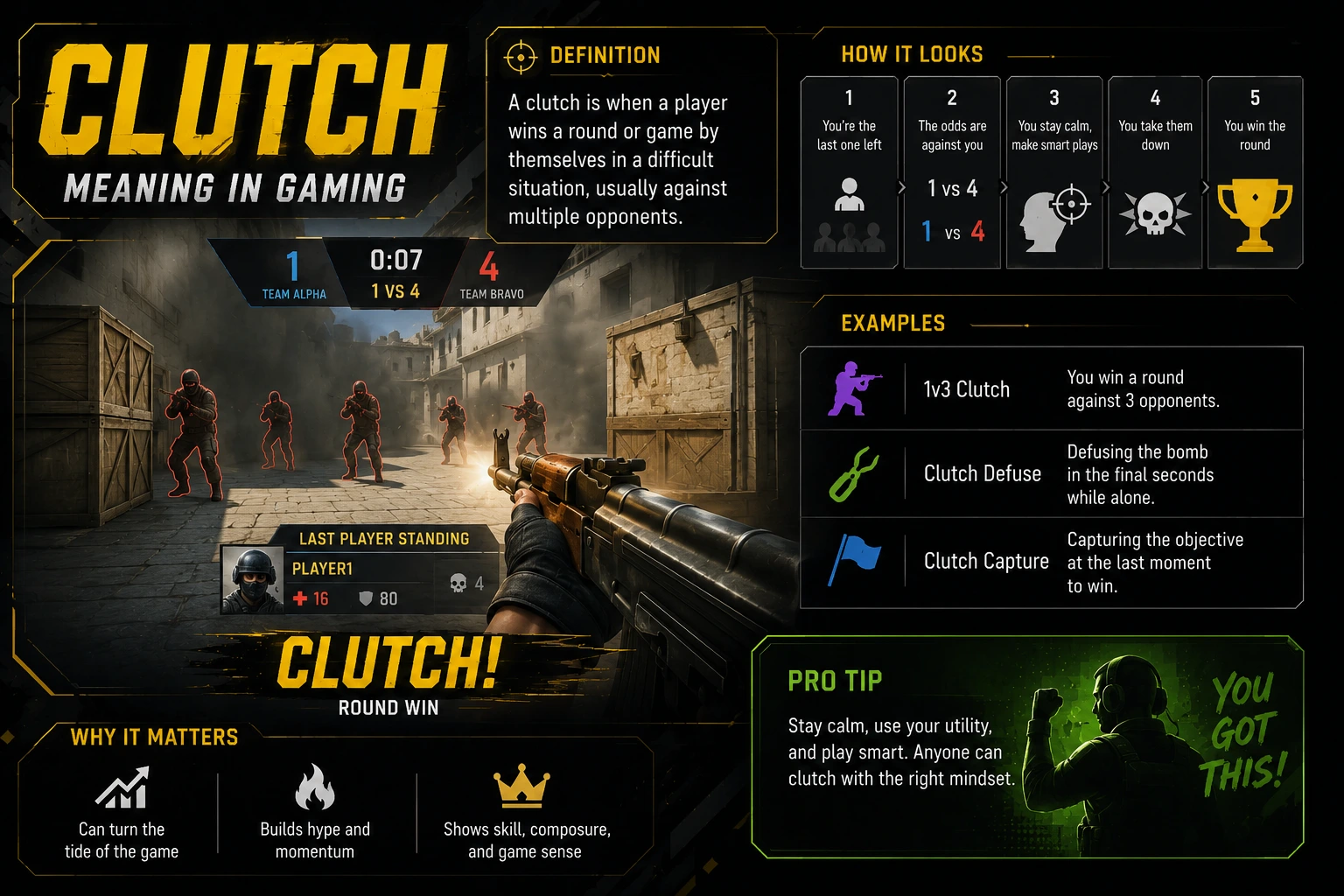
- The thrill of high stakes moments, clutch plays, and adrenaline during tournaments sustains engagement, turning frustration into resilience and loyalty to a chosen competitive path.
These motivations explain why many gamers transition from one genre to another and invest in training regimens for long term success.
Key Features of Competitive Gaming
Competitive gaming centers on structured, skill-based play where players test abilities against similarly skilled opponents. It spans ranked ladders, professional tournaments, and ongoing progression systems that track improvement over time. Core features include fair matchmaking, clear objectives, and meaningful rewards that motivate continued participation. This section highlights how these elements shape the competitive experience across genres and platforms. By understanding these features, players, developers, and communities can better navigate, balance, and grow within the competitive gaming scene.
Skill-Based Matchmaking and Ranking
Effective skill-based matchmaking rests on transparent criteria and responsive systems that balance players across queues. It combines performance signals, teammate and opponent balance, and strategic constraints to deliver fair, repeatable matches.
- Skill rating models blend recent performance with longer-term trend data to estimate a player’s true level, updating gradually to reflect improvement while resisting volatility from a single upset.
- Queue balancing evaluates teammates’ and opponents’ strengths, aiming for evenly matched teams by adjusting lobby composition, role eligibility, and entry thresholds.
- Latency, server regions, and routing quality impact fairness, so matchmaking favors stable connections and minimizes lag to keep outcomes driven by skill rather than connection.
- Dynamic thresholds determine when a match is sufficiently balanced to start, balancing wait times with the risk of early, one-sided results in crowded queues.
- Anti-cheat measures and behavior signals help preserve integrity by detecting anomalies, suspicious patterns, or rule violations that could undermine competitive credibility.
These components together create a robust framework for competitive play. The aim is to reward genuine improvement while discouraging manipulation.
Matchmaking algorithms
There are several families of matchmaking algorithms used in competitive games, each with trade-offs between accuracy, speed, and stability.
Elo-based ranking and its extensions (such as Glicko-like or TrueSkill systems) estimate player skill from match results, progressively refining estimates as more data accrues. In team-based titles, these methods must aggregate individual ratings into a fair team score while accounting for coordination and synergy effects, often through Bayesian priors or probabilistic modeling.
TrueSkill and its successors treat rating as a distribution rather than a single point, capturing uncertainty and allowing more dynamic matching. They adjust ratings not only from wins and losses but also by considering match volatility, player performance relative to expectations, and the quality of opponents faced over time.
Other approaches blend simple win-rate heuristics with time-weighted performance, balancing fast responsiveness with stability to prevent rampant demotion after a few bad games. Hybrid systems often include a recency bias, rank decay for inactivity, and safeguards against early promotions that deflate long-term skill signals.
Practical matchmaking must also handle parties, cross-platform play, and role restrictions. When players queue solo, the system emphasizes individual skill; when players queue as a pre-made group, it shifts to ensure team synergy and avoid unfair advantages for larger squads. Latency, server load, and regional clustering further shape decisions, sometimes trading a perfect skill match for a slightly more stable connection.
Trade-offs are inevitable: faster queues can sacrifice precision; deeper models improve balance but require more computation and data. Developers continually tune weightings, thresholds, and failure modes to fit a game’s tempo, player expectations, and competitive goals. In practice, many studios adopt a hybrid design that combines fast heuristics for typical cases with Bayesian updates for edge scenarios, aiming for fair matches without excessive wait times.
In short, matchmaking algorithms reflect a balance between mathematical rigor and real-world constraints, with the ultimate aim of pairing players who can challenge and learn from each other while maintaining a smooth, engaging competition experience.
Rank systems and progression
Rank systems organize players into distinct tiers and divisions that reflect skill, consistency, and competitive history. Most games present a tiered ladder with labels such as Bronze through Diamond or similar, sometimes with a prestige layer to show long-term achievement.
Promotion and demotion rules specify the number of points, wins, or performance thresholds needed to advance or drop a tier within a season. Season resets, resets or prestige tracks provide new milestones, helping veteran players compete for fresh rewards while preventing rank inflation.
Visible rank and seasonal rewards offer social proof and motivation, while private matchmaking constraints and queues keep pacing reasonable for different skill levels. This progression framework also influences teammate selection, tournament seeding, and eligibility for higher-stakes competitions.
Decay for inactivity and soft resets help keep ranks meaningful for players who take breaks, while separate ladders for solo and group play support diverse schedules. Perks, rewards, or exclusive cosmetics tied to rank reinforce the value of advancement and encourage ongoing practice. Overall, rank progression designs aim to balance accessibility for newcomers with meaningful goals for veterans, sustaining a healthy competitive ecosystem.
Decay for inactivity and soft resets, plus separate ladders for solo and group play, help keep ranks meaningful over time. Perks and cosmetics tied to rank reinforce the value of advancement and encourage ongoing practice. The goal is to provide clear, achievable milestones that recognize effort, improve retention, and support a vibrant competitive community.
Reward Systems and Progression
Reward structures are designed to reinforce effort, provide meaningful goals, and sustain long-term engagement without creating unhealthy competition. Properly balanced rewards align with progression, skill development, and social status within the community.
| Reward Type | Tier | Description | Frequency | Impact on Motivation |
|---|---|---|---|---|
| Seasonal cosmetic rewards | Seasonal | Skins, emblems, and profile adornments earned by reaching milestones within a competitive season | Seasonal | High motivation during active seasons; social signaling |
| In-game currency and points | Global | Earned by winning matches and performing well; spendable on cosmetics or boosts | Per match | Encourages regular participation and goal-oriented play |
| Progression badges and titles | Tier/Prestige | Visible markers indicating achievement level and consistency across seasons | Seasonal | Social proof and long-term objectives |
| Performance-based rewards | Seasonal | XP multipliers, loot-like drops, or unlocks tied to performance milestones | Seasonal | Rewards effort, guiding practice and improvement |
Effective reward design balances value and frequency so players feel recognized without inflating the overall sense of accomplishment. When rewards are predictable and fair, players maintain motivation across seasons and modes. The best systems connect in-game success to tangible cosmetic or gameplay benefits that are desirable but not overpowering.
Forms of Competitive Play
Competitive play in gaming encompasses a spectrum of formats, from casual ranked modes to grand esports stages, where players chase improvement, reputation, and tangible rewards.
Understanding these forms helps players set realistic goals, switch between casual enjoyment and high-stakes pressure, and recognize how matchmaking, progression, and teamwork shape performance.
Across genres, the core meaning remains the same: striving to outperform opponents through skill, strategy, discipline, and constant feedback loops powered by practice and analysis.
The competitive gaming meaning extends beyond wins and losses to the culture of competition, the communities that form around ladders and tournaments, and the personal growth players experience.
As the scene evolves, new formats emerge—from coach-supported ladder systems to cross-platform events—reflecting broader shifts in technology, sponsorship, and player accessibility.
Casual Ranked Matches
Casual ranked matches sit between unranked play and the most serious competitive modes. They use a matchmaking system that attempts to pair players of similar skill, while recognizing that relative ability can shift over time. Players typically care about a visible rank, a personal rating, or a win-loss record that signals progression. The matches are shorter, the stakes are practical rather than life changing, and the emphasis is on enjoyment while still pursuing improvement. This balance makes casual ranked feel accessible, particularly for players who enjoy competition but are not ready for the pressure of high-commitment scenes.
Expected behaviors in casual ranked include consistency, steady learning, and respectful competition. Players experiment with different roles and strategies to understand what works, while communities share tips and feedback after games. Because the environment is less rigid, you may encounter mixed team experience and variable communication quality; still, good habits like callouts, quick adaptation, and objective prioritization translate into better results. The progression curve tends to be gradual, rewarding discipline over flashy mechanics, and it often serves as a bridge for newcomers moving toward more formal competitive goals.
From a coaching perspective, casual ranked is a sandbox for building fundamentals without the intense pressure found in tournaments. Regular review of replays, performance metrics, and map control helps players diagnose errors and spot trends. Even when faceoffs are imperfect, consistent practice turns mistakes into data you can act on, enabling faster improvement over weeks and months. The social aspect matters too: friends entice you to play more, celebrate improvement, and offer constructive critique that keeps you motivated.
Managing expectations is essential in this space. After a string of close losses, take a short break to reset mindset and avoid tilt; when you return, approach the next session with a plan and clear goals. Setting micro-goals—as improving kill-death balance on a specific map, or increasing objective participation—helps maintain focus during long grind sessions. For many players, casual ranked is the most sustainable entry point into competitive play, offering steady skill development while preserving the fun and camaraderie that drew them to games in the first place.
Ultimately, casual ranked can still be a meaningful part of a larger competitive journey. It provides real data about your current level, informs your practice routine, and teaches you how to handle pressure, feedback, and wins with humility. While it does not replace dedicated practice, scrimmage, or professional preparation, it creates habits that transfer to more demanding formats and often serves as a motivational launching pad.
Esports and Tournaments
Esports and tournaments represent the most visible form of competitive gaming, spanning local LANs, online leagues, and global circuits that draw players from amateur clubs to full-time professionals. They create ecosystems where performance is measured not just by individual skill but by teamwork, preparation, and the ability to adapt to changing conditions under pressure. The scale of these events affects sponsorship, media rights, and career opportunities, turning gaming into a potential full-time pursuit for the most dedicated players. Formats vary by game and region, but core elements like brackets, rounds, best-of maps, and official or community organizers create a shared framework that makes competition predictable enough for teams to train and compete seriously.
- Local and online qualifiers feed into larger circuits, enabling rising teams and individuals to gain visibility, sponsorship opportunities, and practical experience competing against evenly matched peers.
- Seasoned leagues organize matches in structured formats such as double elimination, round robin, or Swiss brackets, ensuring consistent schedules, meaningful rankings, and opportunities for coaches to guide teams.
- Major events showcase headline matchups, high production values, and broadcast partnerships that expand audience reach while offering prize pools, coaching clinics, and fan engagement opportunities.
- Monetization models range from prize pools and sponsorship revenue to streaming subscriptions and merchandise, creating a viable career path for top players who combine skill with marketable personal brands.
- Regional circuits and open qualifiers foster diversity, accessibility, and community investment, helping new players gain experience and progression regardless of geography or prior competitive exposure.
These formats collectively shape training approaches, team dynamics, and long-term career planning by aligning practice workloads with event calendars and revenue opportunities.
Understanding the nuances of formats, scales, and monetization helps players choose where to compete and how to invest time and resources.
Community-driven Competitions
Community-driven competitions encompass ladders, user-run leagues, and grassroots events that operate with minimal corporate oversight but high social energy. These formats rely on player-generated leadership, volunteer admins, and local communities that organize schedules, rules, and fair play standards. They often fill gaps between casual play and formal circuits, offering a realistic proving ground where players practice teamwork, event coordination, and event marketing. The appeal lies in accessibility, inclusivity, and the chance to experiment with formats that reflect local player interests and community culture.
Ladders and leagues run by players encourage consistent participation and ongoing feedback loops. Participants track progress through cumulative standings, division ladders, and seasonal resets, which create short-term goals and a sense of progression. Community admins usually implement clear rules, dispute resolution processes, and reporting mechanisms to maintain trust and sportsmanship. In many cases, these events serve as talent pipelines, helping organizers spot promising players, form teams, and create opportunities for mentorship and coaching within the community.
Grassroots tournaments highlight the social nature of competitive play, offering informal brackets, DIY venues, and volunteer staffing. These events are often more forgiving of beginners while still rewarding preparation, punctuality, and reliable teamwork. Organizers balance accessibility with competitive integrity by setting transparent pairings, fair prize distribution, and accessible venues or online platforms. For participants, grassroots events reinforce values such as mentorship, collaboration, and mutual support, which sustain the broader competitive ecosystem even when commercial sponsorship is limited.
Community-driven competitions also foster a culture shift by prioritizing inclusivity and player agency. Fans become participants, moderators support fair play, and players learn to advocate for themselves while respecting others. As this ecosystem grows, it increasingly intersects with formal esports through open qualifiers, affiliate programs, and mentorship initiatives that help bridge the gap between casual play and professional pathways. The result is a vibrant, sustainable rhythm of competition that sustains skill development and social connection across diverse communities.
How Competitive Play Impacts Players
Competitive play shapes how players approach games, learn skills, and measure progress. It spans ranked modes, esports, and community ladders, influencing motivation, discipline, and social dynamics. This section explores the psychological, physical, and social impacts of competing at high levels. By understanding both the positives and risks, players and organizers can foster healthier ecosystems. The insights cover motivation, burnout risks, and community effects that define the competitive gaming experience.
Motivation, Flow, and Enjoyment
Motivation in competitive gaming often arises from a mix of intrinsic drive and structured goals. Players who pursue mastery, autonomy, and social recognition tend to sustain effort longer, especially when practice feels meaningful and progress is tangible. Intrinsic motivation flourishes when challenges are aligned with personal interests, and when players see clear pathways to improvement through deliberate practice, feedback, and reflection. In ranked modes and esports training, routine exercises—such as precision aim, map knowledge, and strategic decision-making—help players build a sense of competence that reinforces ongoing engagement.
Flow—a highly focused, immersive state—emerges when skill level and task difficulty balance just right. When players experience flow, time seems to fade, reflections become concise, and performance improves with less conscious effort. This state is often fostered by well-structured practice regimes, short but intense scrimmages, and meaningful in-game metrics that guide improvement. Competitive environments that support frequent, attainable milestones increase the likelihood of entering and maintaining flow across sessions.
Enjoyment in competition extends beyond winning. Players appreciate meaningful feedback, expressive control, and the social aspects of team play. Positive esports cultures emphasize constructive coaching, supportive teammates, and transparent communication, all of which contribute to sustained enthusiasm. Even in loss, learning-oriented mindsets—focused on what can be improved rather than assignment of blame—help maintain a healthy relationship with the game. Recognizing progress through measurable outcomes, such as improved reaction times, better rotation timing, or more consistent decision-making, strengthens long-term commitment.
Progression systems, scouting reports, and performance analytics can translate effort into visible gains. When players track metrics that reflect real skill, they experience continuous reinforcement that supports motivation. However, this requires balance; excessive data tracking and overspecialization can lead to tunnel vision or anxiety if progress stalls. The most resilient performers integrate structured practice with rest, social support, and opportunities for creative play, ensuring that motivation remains sustainable across seasons and titles.
Stress, Burnout, and Toxicity Risks
Competitive play places real demands on mental energy, sleep, and daily routines. Long practice hours, dense match schedules, and the pressure to perform can contribute to fatigue, reduced attention, and diminished mood. Burnout often manifests as loss of interest, decreased motivation, and physical symptoms like headaches or sleep disturbances. Balancing practice with recovery, ensuring adequate breaks between sessions, and maintaining variety in activities are essential safeguards against burnout. Teams and players benefit from intentional training plans that incorporate rest, nutrition, and mental skills work to manage stress effectively.
Toxicity and tilt are common negative byproducts when competition is intense. Verbal aggression, blame-shifting during losses, and social exclusion can erode motivation and create a hostile environment. Effective mitigation includes clear codes of conduct, coaching that emphasizes constructive feedback, and in-game tools that prevent unsportsmanlike behavior. Supportive leadership and peer accountability help foster psychological safety, where players can acknowledge mistakes and learn without fear of ridicule.
External pressures—from sponsors, fan bases, and regional rankings—can intensify anxiety, especially for up-and-coming players. Instituting predictable practice rhythms, transparent paths to progression, and accessible mental health resources reduces uncertainty and the risk of burnout. It is also important to recognize diverse stress responses—some players perform best under sustained pressure, while others need more downtime to maintain peak performance. Tailored routines, flexible scheduling, and inclusive coaching practices support a healthier competitive climate.
Addressing toxicity requires proactive, multi-layered strategies. Education on communication, conflict resolution, and empathy helps players relate to teammates and opponents with respect. Moderation teams and community managers play a critical role in enforcing rules while preserving the competitive integrity of events. By combining policy with culture change—emphasizing growth, accountability, and mutual support—organizations can reduce harmful dynamics and create pathways for players to recover from setbacks and continue pursuing excellence.
Social and Community Effects
Competitive gaming builds social connections through team-based play, shared routines, and goal-oriented practice. The bonds formed in practice rooms, scrims, and online lounges often extend beyond games, creating friendships that last across seasons and titles. For many players, teammates become a second family, providing encouragement, feedback, and accountability that reinforce commitment and enjoyment. The social structure of competitive teams—coaches, analysts, and support staff—creates a collaborative ecosystem where diverse skills contribute to collective success.
Fan communities and ecosystems around esports events foster identity and belonging. Spectators engage through live streams, social media discussions, and in-game supports that celebrate skill and teamwork. This participatory culture can be empowering, providing role models and opportunities for fans to contribute to a shared narrative. However, fandom can also create exclusionary dynamics if newcomers feel judged or marginalized by long-standing insiders. Inclusive community practices help mitigate gatekeeping and encourage broader participation.
Inclusion and diversity are increasingly recognized as strengths in competitive gaming. When teams welcome players from varied backgrounds, they expand strategic perspectives and problem-solving approaches. Training environments that emphasize mentorship, equitable access to coaching, and safe spaces for feedback nurture healthier communities. Conversely, cliques, gatekeeping, and rumor-driven dynamics can fracture groups and hinder collaboration. Community leaders play a pivotal role in modeling respectful behavior and mediating conflicts to sustain positive, supportive cultures.
Overall, social and community effects shape the emotional texture of competitive gaming. Positive interactions—trust, shared success, and constructive critique—contribute to long-term engagement and personal growth. By balancing camaraderie with accountability, players and organizers can cultivate environments where competitive play remains passionate, collaborative, and inclusive.
Measuring and Balancing Competition
Measuring and balancing competition, a core aspect of competitive gaming, is at the heart of the scene. It involves tracking how players of different skill levels perform under various conditions, and adjusting systems so that matches remain fair, engaging, and increasingly skill-based. This section covers the metrics that reveal imbalance, the design approaches used to preserve parity, and the enforcement mechanisms that deter cheating and abuse. By aligning data, design, and policy, developers can sustain a healthy competitive ecosystem across ranked modes and esports tournaments. The goal is to minimize advantage from random variance while maximizing opportunities for strategic depth and teamwork.
Metrics for Competitive Balance
Competitive balance relies on a clear set of metrics that quantify fairness across the game’s ecosystem. A robust balance metric suite starts with win-rate parity by character, role, and map condition, and expands to track momentum across patches and seasons. A primary metric is the win-rate dispersion by champion or role, which shows whether a few picks dominate or outcomes remain driven by strategy and teamwork. A low dispersion suggests balanced design, while high dispersion signals potential power concentration that can erode skill ceilings for many players. In addition to win rates, analysts track draft diversity, ban frequency, and role representation to illuminate how the pool behaves under real competition.
Second, objective and score dynamics reveal how the game translates tactical decisions into results. Analysts examine objective control rates, time-to-first-objective, and objective value captured per minute. When teams with distinct compositions reach critical milestones at similar tempos, balance is healthy; when one setup consistently accelerates tempo with limited risk, the system may be biased. G indices and concentration measures for objective outcomes help quantify whether a few strategies disproportionately influence the endgame. Finally, maintenance of balanced ladders requires monitoring the ranking distribution and the rate at which players advance through divisions, which reflects both skill development and systemic fairness.
Draft access and ban frequency are ongoing indicators of balance in the pool. If certain champions or equipment are almost always banned or picked, the rest of the roster is under pressure to compensate, which may stifle creativity and skew matchmaking. Balanced games strive for a healthy variety in both selections and tactical approaches across ranks. Tracking ban rate alongside pick rate helps practitioners assess whether changes during patches have narrowed or widened the viable toolkit for players.
Time-to-control metrics, objective efficiency, and map-usage patterns illuminate how much early-game advantage translates into victory. Analysts compare the average time to secure first tower, first dragon, or other critical objectives, and examine whether teams with different compositions reach key milestones at comparable speeds. When one side consistently accelerates tempo without corresponding risk, the balance is skewed and may warrant pacing adjustments in future updates.
Progression stability across seasons matters as well. A healthy competitive environment maintains familiar ladders and rating curves so players feel their improvement is earned. Metrics include the rank progression rate, the frequency of demotions, and the volatility of MMR over a season. If the system punishes or rewards too aggressively, players may disengage or exploit the system. In contrast, a well-calibrated progression curve reinforces skillful play and discourages score-chasing behavior that undermines team-based strategy.
Cross-region and cross-platform parity is essential for global competitions and esports. Analysts monitor whether home regions enjoy subtle advantages due to latency, server quality, or population size. A balanced system minimizes these effects by optimizing matchmaking pools, adding regional queues, and ensuring that ping distribution does not skew outcomes. Public dashboards that show these metrics increase transparency and help the community understand why certain balancing decisions occur.
Interpreting balance data requires caution. Correlation does not imply causation, and remarkable events may reflect short-term variance or exploitation. Teams combine quantitative signals with qualitative feedback from players, coaches, and observers to form a holistic view of fairness. Balance teams frequently test hypotheses, run controlled experiments on test servers, and publish patch rationales to maintain trust and foster an informed competitive gaming culture.
Design Techniques to Maintain Fair Play
Design techniques to maintain fair play begin with symmetric design: every class, tool, or weapon should have near-equal power, access, and risk. When asymmetries exist, designers counterbalance with counters, alternative paths, or map features that create meaningful trade-offs. A formal balance checklist is used during development to audit new content against existing mechanics, ensuring that no single element becomes a universal answer. Data-driven live balancing uses telemetry from ranked matches to detect subtle shifts in effectiveness after patches and to guide tweaks without destabilizing the game. This approach keeps the game dynamic while preserving parity across modes and player skill levels.
Meta diversity is fostered through balanced pick and ban systems, role definitions, and targeted tuning. By analyzing how often specific picks appear in top-tier games, teams can identify over-centralized choices and adjust with nerfs, buffs, or changes to synergy requirements. Designers also tune objective timing, resource distribution, and spawn rhythms to preserve meaningful counters and pacing. A healthy meta rewards player knowledge, teamwork, and adaptation rather than power spikes. Patches are crafted to rotate content gradually, allowing players to learn and adapt while maintaining parity across ranks.
Map design and game pace are other pillars of fairness. Balanced maps provide equal access to objectives and pathways, reducing the impact of lane order or starting side. Designers test for symmetry in vision control, reinforcement routes, and objective spawn timers to avoid systematic advantages. In addition, pacing controls let teams dictate tempo through risk and reward choices, not by forced misbalance. Progression systems should reward skillful play rather than raw power spikes; content that enables tactical creativity without granting unearned leaps supports fairness and long-term engagement.
Matchmaking and progression are integrated with balance goals. Clustering by skill must avoid masking differences in individual performance; bounded rating ranges and probationary periods help preserve a fair ladder. Range-based matchmaking adjustments, soft caps, and queue-time considerations reduce extremes and keep matches exciting. Designers ensure that new players can learn while veterans face challenging but fair opponents. The system should reward improvement, cooperation, and strategic execution, not simply ticking up a numeric rating.
Content cadence and patch strategy influence player perception of fairness. Frequent, disruptive patches undermine confidence; a steady, well-communicated cadence improves trust. A balanced approach prioritizes high-impact changes previously identified through data and community input, tested on test servers before broad deployment. This disciplined process reduces unintended side effects and preserves the game’s identity while maintaining competitive integrity.
Anti-cheat and Enforcement
Cheating undermines fairness and the audience’s trust in competitive gaming. A robust anti-cheat program begins with a server-authoritative model where the server validates critical actions and outcomes rather than trusting the client. Anti-tamper measures, secure memory handling, and code obfuscation help prevent cheats from operating locally. Regular updates and transparent reporting keep players informed about threats and mitigations. Security teams also rely on machine learning across telemetry to identify suspicious patterns and to flag potential botting, aimbotting, or wall-hacking activities before they can impact a major event.
Detection and prevention rely on multi-layered systems. Signature-based checks catch known cheats; heuristic models flag unusual behavior patterns; and anomaly-detection tools monitor for statistically improbable performance across matches. Matching servers are hardened to resist injection or memory manipulation, and client software is sandboxed to prevent tampering. Beyond technology, teams deploy anti-cheat teams and rely on partner labs for independent verification during major tournaments. The aim is rapid, accurate detection with minimal false positives to protect legitimate players and maintain competition integrity.
Enforcement policies must be clear, consistent, and accessible. Violations trigger predefined consequences, from warnings to temporary suspensions and permanent bans, based on severity and repeat offenses. Appeals processes provide players a fair chance to present evidence, and case histories are published to bolster transparency. Tournament organizers coordinate with game developers to ensure that disciplinary actions are aligned with rules and that the enforcement remains consistent across regions and platforms. In addition, communities benefit from public-facing dashboards that summarize statistics on cheater incidence, bans by type, and the impact of enforcement on the competitive ecosystem.
Anti-cheat programs balance privacy with security. They avoid invasive data collection and disclose what data is analyzed and why. Privacy-preserving techniques, such as data minimization and secure aggregation, help protect player information while still enabling effective detection. Community-driven reporting channels, feedback loops, and bug bounty programs can augment automated protections with human insight. Collaboration with esports leagues, researchers, and platform providers strengthens the defense against evolving cheating techniques and keeps major events fair and credible.
Education and culture reinforce enforcement. Clear codes of conduct and ongoing education about fair play encourage players to self-regulate. Tutorials, mentorship programs, and visible recognition for clean play help foster a competitive culture that values skill and teamwork over cheat-driven gains. Regularly sharing patch rationales and enforcement outcomes with the community reduces rumors and builds trust. Ultimately, a combination of technical defense, policy transparency, and community engagement sustains a healthy competitive gaming scene.
Examples of Competitive Gaming
Competitive gaming has evolved from casual play into structured, performance oriented experiences that blend skill, strategy, and timing. A widely used competitive gaming definition centers on matches where players are measured against one another under agreed rules, often through ranked ladders, leagues, or major tournaments. Esports tournaments and professional circuits drive progression, training regimens, and vibrant community ecosystems around the pursuit of improvement. While the term applies across genres, common threads include precise matchmaking, clear incentive structures, and a strong emphasis on teamwork and adaptability. In the sections that follow, we examine popular titles and scenes, analyze a representative ranked ladder in Game X, and explore trends shaping the competitive gaming landscape.
Popular Competitive Titles and Scenes
Popular competitive titles span multiple genres: MOBAs like League of Legends and Dota 2; tactical shooters such as Counter-Strike 2 and Valorant; team-based shooters like Overwatch 2 and Rainbow Six Siege; fighting games like Street Fighter 6 and Tekken 8; and platform fighters such as Super Smash Bros. These games each host rich competitive ecosystems, even though the playstyle and meta differ. The competitive gaming definition can be applied broadly here, because all of these titles emphasize consistent practice, meta adaptation, and decisive in-game communication. The meaning of competitive gaming for players often starts with the desire to measure skill against peers and improve through structured play.
In the MOBA space, teams compete in long-running leagues that feed into regional and global championships. League of Legends and Dota 2 alike rely on coordinated drafts, rotating rosters, and analysts who dissect patch notes for shifts in strategy. The competitive video game playing scene is anchored by practice schedules, scrims, and coach feedback that translate practice time into on-stage decisions. This ecosystem also supports streaming audiences, sponsorships, and career paths for players who excel at teamwork and strategic execution.
First-person shooters emphasize precision, map control, and communication under pressure. Counter-Strike 2 and Valorant cultivate a rhythm of fast trades, economic management, and situational awareness, while Rainbow Six Siege adds depth with vertical play and gadget usage. The competitive meaning here includes individual aim and reflexes, but the biggest impact comes from role clarity and clear callouts that keep teams aligned under stress. Esports tournaments and online ladders for these titles attract global audiences, reinforcing how CS2 and Valorant helped popularize professional play as a core facet of the gaming industry.
Fighting games highlight execution, timing, and matchup knowledge. Street Fighter 6 and Tekken 8 center on mastering frame data, punishing habits, and adapting to diverse opponent styles. Platform fighters like Super Smash Bros emphasize wild, fast-paced action and creative edge-guarding, with local gatherings feeding into big-stage events. The ladder and tournament formats vary, but the underlying stake remains the same: consistent practice, matchup knowledge, and the psychology of pressure in front of crowds. Competitive gaming culture in fighting games often centers on local gatherings, lobbies, and online rank systems that feed into major championships.
Strategy and sport-sim titles also contribute to the spectrum, offering disciplines built on macro decision-making, resource management, and long-term planning. While these games might not dominate mainstream esports as visibly, they attract serious communities that climb sophisticated leaderboards and compete through official leagues or seasonal cups. The common thread across genres is a shared commitment to iterative practice, constant learning, and the pursuit of excellence within structured competition, which helps gamers translate skill into tangible progress.
Across all these titles, the public visibility of high-level play and the opportunity for sponsorships, coaching, and analytics create a powerful feedback loop that sustains growth in the competitive gaming scene. Players gain models of improvement from replay reviews and data-driven insights, and fans engage through streams, shoutcasting, and event coverage. This ecosystem demonstrates how a robust competitive gaming culture can emerge from diverse genres while maintaining core values around teamwork, skill development, and fair play.
Ultimately, these examples illustrate that competitive meaning in gaming is not limited to a single game or format. It encompasses the persistence to practice, the culture of healthy rivalry, and the ongoing evolution of strategies as patches, meta shifts, and new entrants redefine who leads the field. As a result, the most successful players and teams blend discipline with creativity, feeding a global community that animates the entire gaming industry.
Case Study: Ranked Ladder in Game X
Case study: Ranked Ladder in Game X offers a representative look at how ladder design shapes player experience and overall engagement. Game X uses a tiered ladder from Bronze to Diamond with five sub-ranks in each tier, a matchmaking rating (MMR) that governs queue pairings, and a fresh season cadence that resets certain cosmetics while preserving earned progression. The ladder emphasizes quick matches during peak hours and longer, strategic games during weekends. Seasonal resets, cosmetic rewards, and visible badges create a tangible sense of progression that keeps new and returning players focused on improving their rank and refining their playstyle.
Beyond the surface, the incentives encoded in the ladder influence how players approach practice, pick strategies, and communicate in-game. Players learn to balance win probability with risk, as polishing mechanics can yield greater gains in higher tiers where the competition is stiff. The absence of per-hour payoffs in some cases means players pursue long-term mastery rather than rapid skirmishes, while in other variants, daily quests and streak bonuses push players toward consistent play. In this system, the ladder signals become both a metric of skill and a driver of engagement, turning small gains into lasting motivation.
Seasonal rewards help sustain interest across many months, with promotions and demotions providing clear milestones. In Game X, promotion matches inside the ladder test players under pressure, producing dramatic swings in rank that keep spectators engaged and players hungry for evaluation. The balancing of queue times, skill gaps, and player distribution across tiers is a constant design challenge, as it affects how often players feel they can advance and how quickly they can climb. Overall, the ranked ladder acts as a social contract between players and the game, establishing expectations about fairness, competition, and growth.
Future Trends in Competitive Gaming
Future trends in competitive gaming are shaping how players train, compete, and watch matches. AI-assisted analytics and coaching increase access to high-quality feedback, with automated replay breakdowns, performance dashboards, and personalized practice drills helping players optimize routine and shorten the learning curve. As data collection becomes more comprehensive, players can pinpoint weaknesses with precision, accelerating improvement and enabling new players to reach higher levels faster.
Cross-platform play and unified ranking systems are likely to reduce friction in ladder processes, allowing more players to compete regardless of hardware. This shift requires robust anti-cheat measures and secure matchmaking to preserve integrity while expanding the reach of competitive scenes. At the same time, advanced spectator tooling, including real-time stats, multi-angle streams, and AI-guided highlight reels, makes watching competitive gaming more engaging for fans and sponsors alike.
Technological advances are also driving design directions, with cloud gaming and 5G networks reducing latency and opening doors for smoother online competition and informal tournaments. Developers might experiment with hybrid formats that blend online qualifiers with LAN finals to maximize spectacle and community involvement. Taken together, these trends point toward a more inclusive, data-driven, and spectator-friendly future for competitive gaming, while maintaining the core emphasis on teamwork, skill, and fair play.