What Is a Glass Cannon in Gaming? Definition and Core Concept
In gaming, a glass cannon describes a character or build that delivers extraordinary damage while remaining exceptionally fragile. The term captures a design tension: maximize offense and eliminate threats quickly, yet accept the risk of being overwhelmed by even modest punishment. You will find glass cannons across RPGs, MOBAs, shooters, and strategy games, where bursts of power often decide fights long before defenses can stabilize a confrontation. Successful use hinges on positioning, timing, and target prioritization, because a missed window or a poorly read escape can erase a lead in moments. From a design perspective, glass cannon playtests influence power curves, risk, and team dynamics to keep games competitive while preserving the thrill of high-stakes offense.
Origin of the Term ‘Glass Cannon’
The phrase Glass Cannon seems to have emerged from the tabletop and early PC gaming communities during the late 1990s and early 2000s, when players discussed builds that could annihilate enemies only to crumble under pressure. Its conceptual roots lie in the paradox between high damage potential and vulnerable defenses, a contrast that aligns with the metaphor of a fragile artillery piece. As online and competitive formats expanded, the term migrated into MOBA and RPG discourse, eventually becoming common shorthand in shooter communities for peak DPS at the cost of durability. Historically, early guides and fan glossaries used the phrase to differentiate pure DPS setups from more well-rounded builds, emphasizing that raw power is not a guarantee of success. Some sources trace the idea to strategy forum jokes and memes that likened fragile hulls to overpowered weapons, helping players remember the tradeoff in everyday play. Today, you will encounter the concept across titles as diverse as tactical RPGs, battle arenas, and roguelikes, but the core meaning remains consistent: extreme output with a fragile shell.
Core Characteristics of Glass Cannon Builds
These attributes recur across genres, shaping how players approach risk and reward with glass cannons.
- Exceptional single-target damage and burst potential, enabling targets to be eliminated quickly if strikes land within the right window, often deciding fights before counterplay can organize.
- Severely limited health pools or defenses force careful positioning and rapid target prioritization to avoid being overwhelmed by crowd control or focused fire.
- Reliance on cooldown management, energy or mana budgets, and resource windows to maximize impact during a narrow swing of power.
- Vulnerability to control effects, movement impairments, and counterplay that punishes mistakes more harshly than other archetypes, making execution and timing critical to sustained impact.
- Itemization and weapon choices matter greatly, with crits, penetration, or volatility boosting damage at the expense of resilience, requiring players to balance these factors to align with team needs.
Understanding these attributes helps players tune builds and teams for expected challenges.
Glass Cannon vs. Other Playstyles (Tank, Bruiser, Support)
In practice, many games balance these archetypes by making glass cannons a risk-reward specialist who must coordinate with teammates.
| Playstyle | Strengths | Weaknesses | Ideal Roles | Typical Vulnerabilities |
|---|---|---|---|---|
| Glass Cannon | Massive burst damage, quick target elimination | Very low durability, CC susceptibility | Backline damage dealer, assassin | Focused fire, failed escapes |
| Tank | High survivability, threat generation | Limited damage output in some metas | Frontline protector, initiator | Armor depletion, heavy CC |
| Bruiser | Balanced offense and defense, sustain | Moderate durability, mid-range range | Skirmisher, sword-and-board duelist | Kiting pressure, gap closers |
| Support | Utility, field control, buffs | Low personal damage, resource-heavy | Healer or enchanter, crowd-control backbone | Targeted CC, mana management |
Understanding these dynamics helps teams balance composition around power spikes and survivability.
Common Game Genres That Use Glass Cannons
Glass cannon concepts appear most prominently in genres that reward burst damage and fast decisiveness. In role-playing games and action RPGs, players often invest in high-damage classes or builds that quickly erase single threats before their defenses can fail. Massively multiplayer online games frequently expose backline characters to crowd control chains, encouraging glass cannons to rely on allies to manage space and safety. In MOBAs and battle arenas, metagames prize assassins and mages who can delete high-value targets with combo sequences, provided they avoid becoming overwhelmed by stuns or focus fire. Tactical shooters and roguelikes also feature glass cannons as high-risk, high-reward loadouts, where explosive DPS can swing rounds but fragility makes positioning and timing essential. Strategy games sometimes offer glass cannon variants through fragile artillery units or fragile hero characters whose power scales with risk-taking and micro-management. Even in turn-based titles, you may see glass cannon concepts expressed as units with devastating offense but steep penalties on defense or error. The repeated appearance across genres highlights a universal design challenge: how to preserve the thrill of exceptional damage while preventing it from trivializing battles or creating unbearable pressure on teammates.
Why Players Choose Glass Cannon Builds
Players pursue glass cannon builds for several reasons: the rush of landing a decisive blow, the satisfaction of peaking damage numbers, and the strategic appeal of risk-reward decision making. Some players enjoy the puzzle of exploiting openings, weaving combos, and abandoning safety to maximize impact. Others are drawn to the drama of high-stakes engagements where a single misstep could end a fight or a game, creating memorable moments and dramatic comebacks. Additionally, glass cannons can be powerful in team contexts when supported by proper peel, guard, and sustain, turning fragile damage output into a reliable contribution. Finally, game designers often reward risk-taking with progression advantages or unique aesthetics, encouraging players to experiment with builds that test risk tolerance and skill.
Glass Cannon: Key Features, Mechanics, and How It Impacts Gameplay
Glass Cannon describes a character or loadout that delivers devastating damage while sacrificing durability and sustain. This playstyle hinges on precise positioning, ruthless target selection, and excellent cooldown management to maximize output before dying. In many games, you see Glass Cannons in the roles of assassins, snipers, or glassy mages who must leverage one big moment to swing a fight. Because of their fragility, teamwork, map awareness, and objective timing become as important as raw DPS. The sections that follow explore how burst works, what trade-offs you accept, how teams can support or counter Glass Cannons, and how to itemize and plan skill choices.
Damage Output and Burst Mechanics
Burst damage is the defining feature of a Glass Cannon: a sudden spike of output that can erase a priority target in seconds, after which the attacker becomes exceptionally vulnerable. In practice, this means your strongest abilities, combos, or auto-attack sequences must land cleanly within a narrow window, or the opportunity evaporates as cooldowns reset and enemies reposition. Analysts evaluate burst using metrics such as the damage delivered during the first two to four seconds of engage, the amount of true damage ignored by shields, and how quickly that damage can be repeated or extended through resource resets. The pace of a burst is often a function of windups, activation delays, and the presence of temporary buffs that amplify damage or reduce resistance. The math behind burst also changes with armor or resist penalties that stack during teamfights, forcing you to adapt your timing.
Effective burst isn’t just about one hit; it’s about sequencing that capitalizes on crowd control, target prioritization, and the pressure created by teammates. A well-timed initiation ensures the enemy cannot peel away or reposition without losing significant health. If a burst misses or is interrupted, you must wait for another cooldown cycle, at which point the window to influence the fight may have closed. In many games, armor, shields, and resistances reduce the raw value of your burst, creating a constant tug-of-war between raw output and the enemy’s defensive investments. As a result, players track expected burst potential across different fight phases, not just the instant hit.
Finally, the practical impact of burst on game outcomes hinges on how teams respond. A single decisive burst can swing momentum, but only if allies can maintain control long enough for you to re-engage safely. Conversely, if your team lacks peel or reliable escape options, your big moment becomes a liability that drags fights into risky, drawn-out exchanges. Understanding timing, target priority, and resource management is crucial to turning raw damage into game-changing outcomes.
Trade-offs: Survivability, Crowd Control, and Mobility
Adopting a Glass Cannon playstyle requires accepting several intertwined trade-offs that shape every engagement. The most fundamental is survivability: a high-damage profile comes at the expense of health pools, defenses, and often self-sustain. This fragility means you must minimize exposure, rely on teammates for protection, and time your assaults to exploit windows when enemies are distracted or CC’d. Crowd control exposure is another major factor: if enemies can land stuns, roots, or slows while you are in your damage window, your burst can be wasted or interrupted, reducing overall effectiveness. This makes team coordination and clear signal calls essential to synchronize the moment you commit. Mobility is both a boon and a risk: fast repositioning and quick pivoting help you find safe angles, but overextension or misjudged repositioning can turn a promising moment into a collapse under counter-engagement.
- Fragility under sustained fire: A glassy HP pool means continuous pressure and smart retreat options are essential to survive long fights rather than trading blows endlessly.
- Positioning discipline: You must constantly seek safe angles, avoid risk zones, and leverage terrain so your damage window isn’t squandered by preventable damage.
- Cooldown discipline: Burst windows depend on cooldown readiness, so you pace your assault and reserve threats for moments when enemies are vulnerable.
- Resource management: The energy or mana cost of your strongest abilities must be balanced with your ability to re-enter fights without stalling.
- Target selection risk: Focusing the wrong target can waste your burst, while a well-chosen kill can swing a skirmish dramatically.
- Team dependency: Your damage advantage evaporates if teammates cannot create openings or peel when you overextend, and suffer in the aftermath often.
These trade-offs define the decision points you face in every skirmish: will you commit to a risky engage, or wait for a safer moment and let your teammates create the opening? Each choice shifts how a Glass Cannon contributes to a fight and how much protection you require from the rest of the team.
Team Composition and Synergy Considerations
Clear teamwork is the defining enabler for Glass Cannon effectiveness. A typical supportive lineup places a frontline tank or bruiser to absorb damage and create space, while a healer or shield-based support mitigates the immediate consequences of a misstep. Ranged stoppers or crowd-control specialists help lock down targets long enough for you to land critical bursts, while off-tanks or soft controllers can peel enemies away from your vulnerable position. Positioning becomes a shared responsibility: the team must ensure the Glass Cannon can engage from favorable angles and retreat without being chased into a lethal trap. Vision and information sharing are crucial; map control, enemy cooldown tracking, and enemy roam patterns inform when to pull the trigger on a kill window and when to hold back for a safer opportunity.
Counters to Glass Cannon play revolve around disrupting the damage window. Teams that can chain stuns, interrupts, and tight peel on your approach create reliable lanes of denial. Conversely, teams that lack CC or rely on brute force to outlast your damage will often fall short if your team can maintain spacing and sustain pressure. Versatility in team composition matters: some games reward you with a double Glass Cannon meltdown, while others demand a mix of high-damage and more resilient allies to survive early skirmishes. In all cases, communication, adaptation to the meta, and a clear plan for objective control shape how your team leverages or counters this playstyle.
Itemization, Skill Choices, and Stat Priorities
To maximize Glass Cannon effectiveness, align gear, skills, and stats with your team’s needs and the expected enemy setups. Early choices emphasize damage amplification and burst reliability, followed by adaptive items that improve survivability or disengagement options as fights evolve. Skill trees or ability sequences should prioritize quick, high-impact windows that can be chained into decisive kills, while maintaining enough resource generation to avoid droughts during extended engagements. The balance between offense and defense changes with game length, map control, and the strength of the opposing team’s counterplay. As you refine your build, you should constantly weigh the marginal gains of additional crit, penetration, or ability power against the increased risk of dying before your cooldowns refresh.
| Build Name | Primary Stats | Recommended Role | Pros | Cons |
|---|---|---|---|---|
| Offensive Burst Build | Attack Power, Critical Hit Rate, Ability Power | Assassin/ADC | Explosive burst windows; excels at obliterating priority targets. | Heavily fragile; requires perfect timing and positioning. |
| Mobility-Enhanced Burst | Movement Speed, Evasion, Attack Power | Skirmisher/Scout | Superior positioning; better escape routes; can dodge opening CC. | Damage dips during cooldowns; still fragile if caught mid-dash. |
| Penetration-Oriented Build | Armor Penetration, Crit, HP | Sniper/Assassin | Penetrates defenses; high single-target damage with reduced armor resistance. | Relies on enemy armor; poor versus high HP targets with protection. |
| Defensive-Support Hybrid | Health, Shielding, Cooldown Reduction | Support/Off-tank | Maintains presence in teamfights while delivering bursts to key targets. | Lower raw damage; loses some glass-like fragility advantage. |
When selecting a build, consider your game’s current meta, the enemy’s typical defenses, and your team’s capacity to protect you during your prime windows.
With the right combination of items and skill timing, a Glass Cannon can deliver decisive blows that turn fragile engagements into favorable outcomes for the team.
Benefits, Use Cases, and Competitive Advantages
Glass cannons represent a bold, high risk high reward approach to combat in games, where a character build or playstyle is capable of devastating damage but remains exceptionally fragile and easy to shut down if misused. Across genres from MOBAs and shooters to action RPGs, these units shine when the player can unleash a powerful burst during tightly timed windows, take advantage of enemy missteps, and then retreat before defenses collapse around them. Designers balance this archetype by tying offensive potential to tradeoffs in health, defenses, or mobility, creating a dynamic where success hinges on precise positioning and cooldown management. The appeal lies in dramatic momentum swings: a decisive burst can seize a point, end a fight, or snowball a match, while a single failed engage can swing momentum back in favor of the opposition. Understanding when to embrace the glass cannon approach, how to mitigate its weaknesses with support and mobility, and how it influences team dynamics is essential for players aiming to maximize impact and for teams seeking the right balance of power and protection.
Strategic Advantages in Different Game Modes
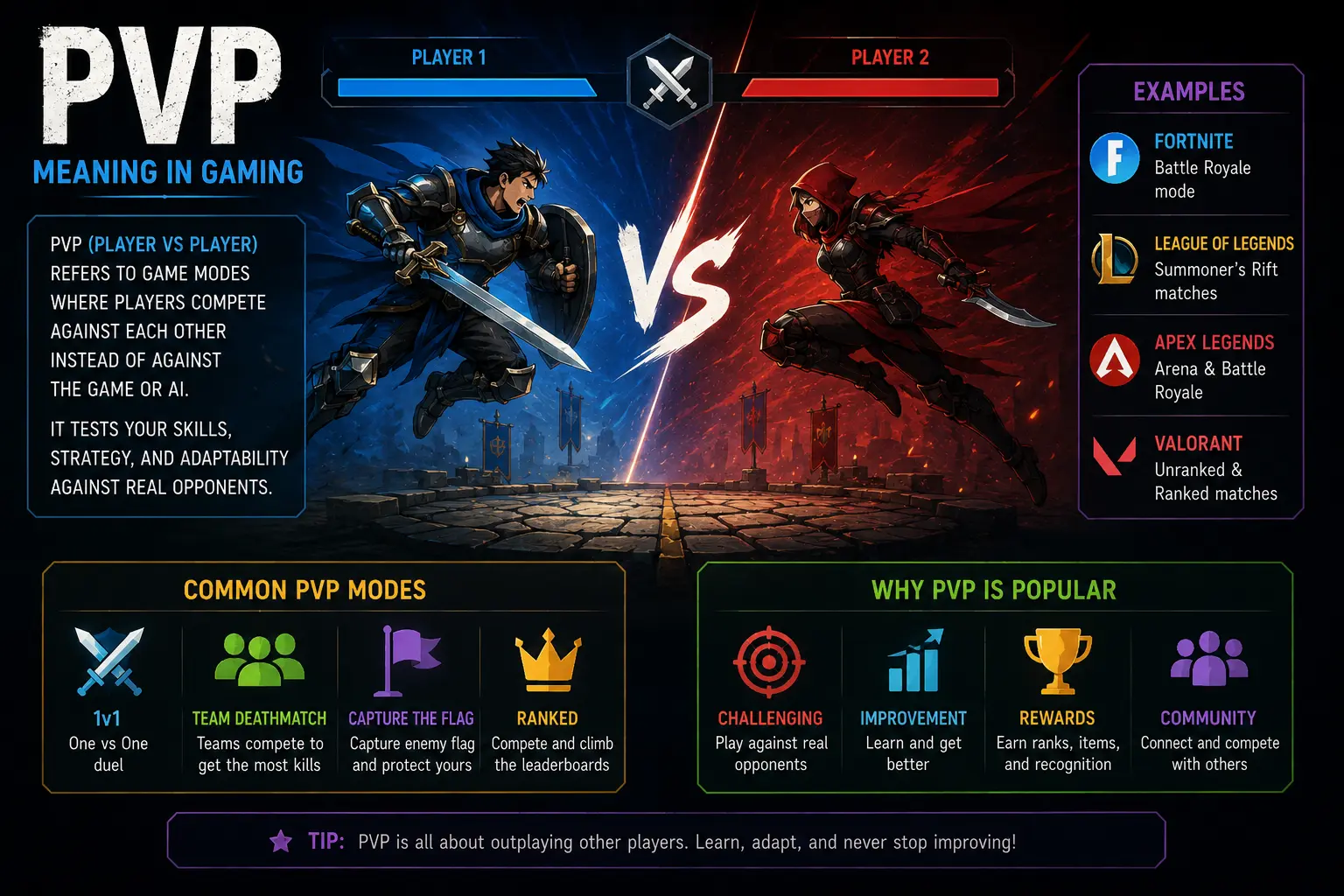
In fast paced PvP duels, glass cannons shine when they can burst opponents before defenses react. They threaten with abilities that can erase a target in seconds, creating a pressure dynamic where enemies must decide whether to engage, wait for cooldowns, or back off to avoid losing key players. The strength here is the window for a single trade, where winners can swing momentum and earn a quick advantage with minimal prolongation. To leverage this, players must master the timing of cooldowns, line of sight, and spacing so that a well timed burst lands before the opponent counters or escapes. The downside is that a misstep can turn a favorable engagement into a one sided defeat, leaving the fragile carrier open to follow up damage and kills.
In team based objective modes, glass cannons offer targeting and pressure that can break through guarded lines when coordinated with support and crowd control. When the team can control space and protect the carry during dive attempts, the burst can eliminate a turret or flag carrier, creating a numerical imbalance that seals objectives. The payoff increases when the map provides choke points or timing windows for forced engagements, and when healers or shields reliably keep the glass cannon alive just long enough to finish the job. However the fragility forces the team to execute safer resets and to avoid overextension that invites a counter dive. The result is a dynamic that rewards planning, map awareness, and reliable peel.
In larger raid or arena style modes, glass cannons can influence the tempo by forcing opponents to split their focus. A well placed burst can disrupt backline damage dealers, forcing repositioning and drawing fire away from more durable teammates. The risk is magnified as fights lengthen, because extended clashes give CC chains and ultimates a greater chance to lock down fragile targets. Teams that balance the glass cannon with robust frontline and mobile peel typically maintain control longer, converting bursts into sustained advantage rather than isolated eliminations.
Finally, in competitive ladder play the viability of a glass cannon hinges on the metagame and roster depth. When the meta favors quick picks, aggressive dives, and rapid objective control, a glass cannon can shine as a game changing asset; when opponents have strong CC or scaling, the risk of meltdown grows and a single failed gank can tilt the entire game. Coaches and analysts often push for staged risk through draft phases, banning or nerfing ideal counters and selecting complementary supports to approximate balance between offense and defense.
When to Pick a Glass Cannon: Win Conditions
Winning with a glass cannon hinges on choosing moments when the damage can decide outcomes before the opposition can fully respond. Early game tempo matters, as a successful first blood or rapid objective capture can create a snowball that amplifies the unit’s value when cooldowns are still favorable. Mid game tends to favor coordinated dives, where a burst combo hits before enemies can shield or peel, but only if teammates can protect the fragile carrier during the sequence. Late game requires disciplined play, since opponents have more tools to lock down the glass cannon; wins come from precise timing, reliable disengage, and execution of high impact abilities when key targets are vulnerable. Finally, draft and comp decisions set the stage, with picks that cover the glass cannon’s weaknesses often determining whether the playstyle remains safe or becomes a liability.
Concrete win conditions include achieving a decisive pick during a critical objective window, winning two consecutive skirmishes that grant map control, and forcing a favorable re-engage after a successful retreat. The best moments arise when the burst occurs exactly as the team secures vision, initiates, and follows through with peel and crowd control, converting momentary kills into lasting advantages that shape the rest of the game.
Risks and Counterplay: How Opponents Exploit Glass Cannons
Counterplay against glass cannons is built on two pillars: prevent the initial burst from landing and punish the target during the vulnerable windows that follow. Opponents often rely on crowd control chains to stop the carrier before their cooldowns come back, or on kiting and position manipulation to force bad angles that allow defenders to outplay the burst. A common tactic is to focus the glass cannon early in engagements, cutting off health recovery and forcing retreat, which then opens up free damage on other teammates. Blue line synergy and fast reaction shields from support roles can also blunt the burst and extend the window for a counter dive. Finally, ranged poke and sustained damage that forces the glass cannon to overcommit can wear down their fragile HP pools before any decisive strike lands.
- Focus the target early in engagements to shrink the burst window and force retreat, reducing the damage that lands and leaving allies exposed.
- Use crowd control chains and peel to deny repositioning, ensuring the glass cannon cannot safely reach optimal angles for a second burst.
- Exploit mobility gaps with rapid rotations, forcing the fragile carrier to chase or overextend into safer terrain for enemies to punish.
- Prioritize healing and shields on the target, extending their life span long enough for others to reconfigure the fight and counter-dive.
- Capitalize on information and vision to prevent surprise engages and to coordinate clean up when the burst misses or ends early.
By recognizing these counters, players can coordinate safer engages and still leverage the power of high damage output.
Pro Player Examples and Notable Glass Cannon Champions/Characters
Across genres, several celebrated figures embody the glass cannon ideal. In shooters, agile damage dealers like Tracer and Genji in Overwatch exemplify the archetype with rapid mobility that enables short burst windows and quick disengage after landing a kill. In MOBAs, high burst mighters such as LeBlanc and Zed in League of Legends showcase lethal combos followed by swift retreats, relying on trickery and precise timing to survive the aftershocks of engagements. Syndra, a mage known for explosive single target damage, also fits the glass cannon mold through her ability to erase targets, provided she avoids CC chains that would lock her in place. In broader RPG contexts, certain archer or sorcerer builds emphasize extreme offense with minimal durability, banked on cooldown economy and careful positioning to survive long enough to strike. These examples illustrate how the glass cannon concept translates across games with different mechanics, reinforcing the universal tension between power and fragility that defines the archetype.
Pricing, Offers, and Getting Started with Our Glass Cannon Insights
Our Glass Cannon insights unlock the full potential and risks of high-damage, low-defense playstyles. This section covers pricing, offers, and practical steps to start leveraging Glass Cannon concepts in your games. You’ll find recommendations for learning resources, coaching options, and tools that help you measure progress. Whether you’re curious about balancing power and fragility or optimizing team composition, these insights guide you from first purchase to confident late-game plays.
How to Build Your First Glass Cannon: Step-by-Step Guide
Building your first Glass Cannon starts with clarity about your goal: maximize attack damage and burst while accepting vulnerability. Begin by selecting a class and role that naturally supports aggressive positioning, high crit potential, or spell amplification, rather than pure survivability. For example, in many games, mages or assassins offer the strongest raw output with relatively fragile frames. Your objective is to combine mobility, cooldown management, and damage windows into consistent, repeatable sequences. This process rewards practice, intention, and map awareness, because mispositions quickly end a Glass Cannon’s run.
Choosing a class sets the baseline; the role defines how you contribute to team fights. If your team needs a reliable damage spike without tank support, you might favor a backline damage dealer with escape tools, target prioritization, and safe zoning. If you can weave out-of-combat healing or self-shields into your kit, you gain a margin for error. The key is to align your playstyle with your objectives and your team’s drafting.
Before you lock in a build, set a simple rule: your goal is to survive long enough to land your signature burst. That means investing in mobility and positioning, not only raw damage. Your first itemization should emphasize ability power, attack speed, or crit chance depending on your class, followed by defensive options that slow the enemy’s approach rather than offering brute tankiness. In many games, a single misstep can erase hours of practice, so design a plan that allows you to retreat safely and re-enter fights when cooldowns reset.
Practice is the bridge between concept and execution. Start by focusing on one or two primary cooldowns, learning their timings and how to weave them with auto-attacks. Use last-hitting and wave management as drills to stay economical with resources while preserving your health. In short sessions, rehearse engagements against predictable patterns, then gradually increase pressure as you gain confidence. Your aim is to create reliable damage windows, not just flashy moments.
Class and Role Selection
Choose a class and role that complements aggressive damage with reliable escapes or defensive tools. Look for kits that offer burst windows, mobility, and strong zoning rather than sheer durability. For many players, the best Glass Cannon fits into a backline or midline position, delivering damage while keeping distance from threats. Prioritize synergy with your team’s strategy, such as damage amplification from supports or shields that survive long enough for your output to land.
Early-game Build Path
Start with boots for mobility and a core item that boosts your primary damage stat. Focus on items that accelerate your ability cooldowns, increase your damage priorities, or improve last-hitting efficiency. In the first 8–12 minutes, lane positioning and safe trades matter more than flashy plays. Keep an eye on enemy cooldowns and seek to punish overstays with your burst combo and swift disengage.
Mid-to-Late Game Adjustments
By mid to late game, you should shift toward items that maximize one or two damage signals while maintaining enough defense to survive focused attention. Adapt by weakening or bypassing opponents who can reliably shut you down, and reallocate your stats toward survivability, tracking tools, and cooldown resets. In team fights, look for precise windows where your burst can erase a priority target before retreating behind your front line or support.
Free and Paid Resources: Guides, Coaching, and Tools
Accessible learning starts with free guides, video explainers, and community writeups that break down Glass Cannon concepts into practical steps. Look for tutorials that demonstrate how to time abilities, position safely, and convert damage into decisive trades. Community forums and official game wikis often host up-to-date builds and patch notes that affect balance and itemization.
Paid resources can offer deeper coaching, personalized playbooks, and structured curricula that accelerate skill growth. One-on-one coaching sessions can reveal gaps in timing, spacing, and decision-making, while premium guides provide curated lesson plans aligned with specific champions or classes. Tools like practice simulators and analytics dashboards help you quantify progress and stay accountable, turning every session into data you can act on.
When evaluating value, compare the cost against potential gains in win rate, consistency, and learning speed. A well-chosen coaching plan or guide should deliver clear milestones, track improvements, and offer actionable feedback you can apply in live games. Always test a resource with a short trial or a money-back guarantee to ensure it fits your learning style.
Bottom line: combine free resources for breadth with chosen paid programs for depth, then measure outcomes in actual matches to ensure your investments translate into tangible progress.
Common Mistakes Beginners Make with Glass Cannons
Beginners often overextend because they mistake high damage for invincibility. They chase kills without checking escape routes, which leads to early deaths and stalled momentum. Another frequent pitfall is ignoring itemization balance, skipping defensive options that keep you in fights long enough to land your big hits. Players may also mismanage mana, energy, or cooldowns, wasting crucial windows on low-percentage plays. Over-committing without map awareness or vision resources is another common error that invites ganks and unfavorable trades.
Too many new Glass Cannons overlook the power of position. They stand at the frontline or in obvious danger without enough peel from teammates, making it easy for opponents to punish mistakes. They also neglect practice with micro mechanics like wave control, animation canceling, and aim consistency, which erodes effectiveness over time. Finally, relying on one trick rather than a balanced kit causes predictable patterns that savvy opponents can counter.
How to Practice and Track Progress
Practice routines should blend drills with live play to build muscle memory and strategic judgment. Start with cooldown timing drills, forcing you to use abilities in the most efficient sequences under simulated pressure. Add aim and reaction drills that improve your ability to land burst damage on moving targets. In parallel, run waveform and resource-management exercises to maintain efficiency during longer fights.
Tracking progress requires clear metrics. Record your damage dealt per minute, your kill participation, and your survival rate in key engagements. Review replays to identify missed opportunities, mispositions, and incorrect target choices. Set weekly goals for improvements, then verify gains by comparing recent matches against baseline data. Finally, use a coaching or peer-review routine to get outside feedback and accelerate adjustments.