GG Meaning: Good Game Explained
GG Meaning: Good Game Explained — Product Overview and Value Proposition delves into how a single phrase shapes player interaction across genres and platforms. This overview unpacks the core definition of GG, traces its origins in online matches, and explains how it signals respect, sportsmanship, and shared enjoyment. Readers will learn practical guidance on when to use GG, how to adapt it to different communities, and why it fosters a positive gaming culture. We also examine variations, misuses, and cross-language considerations, helping players participate in both casual play and esports with confidence. By framing GG as a communication tool with social value, this overview connects the language of the lobby to long-term community health and fair play.
What GG Stands For
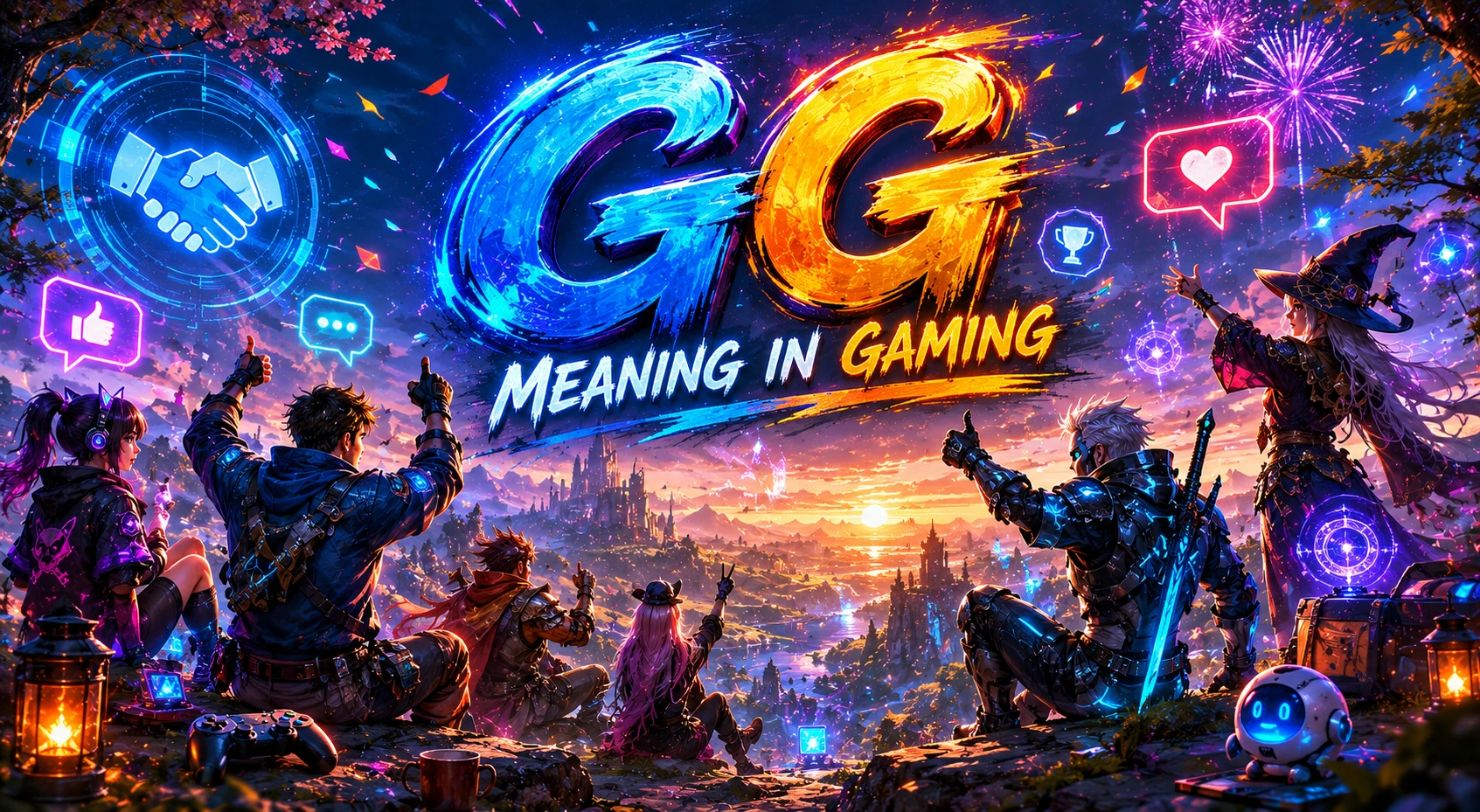
GG stands for ‘Good Game’ and is widely recognized as a polite closing remark after a match. In most gaming communities, it signals acknowledgment of effort, skill, and a shared experience, regardless of who won or how lopsided the score was. The phrase travels across genres—from quick online skirmishes in shooters to lengthy strategy sessions in MOBAs—and it travels between platforms, whether you are chatting in-match or sending a post-game message in a lobby. The use of GG has evolved with the rise of esports and organized leagues, where it often accompanies a formal handshake of respect between teams. Some players also use variants such as ‘GG WP’ to add a note of praise for quality play. Dictionaries and glossaries in the gaming space often cite GG as one of the core terms in online gaming etiquette, a compact way to acknowledge effort, teamwork, and shared enjoyment. While the exact tone can vary by community, the core idea remains consistent: ending a game on a positive, constructive note that invites future fair play. For many, GG is less about congratulating a winner and more about recognizing the human effort behind every pixelated moment. Importantly, while GG is usually friendly, context matters. In some circles, a lack of sincerity or a forced cadence can undermine the gesture, turning it into empty chatter rather than a meaningful sign of respect. Understanding these nuances helps players use GG effectively and contributes to a healthier online environment.
History and Origins of ‘GG’
The exact origin of GG is difficult to pin down, but the phrase emerged in early online gaming communities during the 1990s and became a standard courtesy in both LAN gatherings and chat rooms. Early references appear in multiplayer titles that supported in-game text chat and quick-responses after rounds, where players used GG to acknowledge a well-played game rather than simply celebrate a victory. As esports grew, GG became embedded in post-match rituals, press interviews, and social media, reinforcing its role as a language of sportsmanship. Some researchers trace the term to Australian and British gaming subcultures, while others point to a broader, planet-wide adoption as broadband access accelerated global play. Across languages, many players adopted the English acronym as a universal sign of respect, even when other phrases would exist in local tongues. The origins also intertwined with memes and memes like GG no re or ggwp that elaborated on post-game sentiments, but the core value remained consistent: a courteous closure that invites future fair competition.
When to Use GG: Timing and Context
GG should be used after a game where both sides had a legitimate effort, regardless of the score. It signals respect for opponents and teammates and invites a positive post-game interaction rather than silence or hostility.
Common contexts include finalizing a round in casual matches, closing out a sealed post-match lobby in ranked play, or sending a quick post-game message to celebrate skillful play or teamwork. The timing matters; the moment a round ends is usually appropriate, but consider the game’s noise level and the players’ mood. If a match ends in frustration, a sincere GG can still acknowledge the effort and avoid escalating tension.
- After a close, hard-fought match, praising players for their strategy and skill, acknowledging key tactical moments that defined the game’s late turns.
- In casual play, signaling good sportsmanship by dropping a GG when the match feels enjoyable or highlights teamwork rather than just the final score.
- In ranked or competitive modes, reserve GG for moments that celebrate skillful play, fair play, or remarkable comebacks, avoiding a blanket reflex that could feel hollow.
- When you lose, consider a sincere GG to show respect for opponents’ effort and to reinforce that growth and learning come from the experience.
- If teammates disagree on outcomes, a calm GG can diffuse tension, acknowledge shared goals, and keep communication respectful instead of derailing the match with trash talk.
- In cross-game sessions or mixed-language lobbies, use GG as a bridge that recognizes universal values while avoiding language-specific jokes that may not translate well.
Overall, GG should be a warm, genuine gesture that aligns with the expectations of your gaming community and encourages ongoing fair play and positive interaction.
Variations and Related Acronyms (ez, wp, ggwp)
While GG is the core term, many communities pair it with short modifiers or related acronyms to convey nuance.
| Acronym | Meaning | Common Context | Notes |
|---|---|---|---|
| GG | Good game | General, after match | Formal or casual contexts |
| ez | Easy | Trash talk or taunt | Often negative vibe |
| wp | Well played | Recognition of a good effort | Positive usage |
| ggwp | Good game, well played | Combined sentiment | Polite variant |
Understanding these acronyms helps players respond appropriately in different communities and avoid misinterpretation. Some players prefer to keep conversations concise, while others add a warm note about teamwork or strategy. In esports and competitive settings, ggwp is common after a clean victory or a hard-fought loss, signaling respect regardless of the outcome. Ez, when used, is more controversial and can undermine the spirit of fair play if deployed sarcastically. Context, tone, and the established norms of the lobby all influence how these terms land with teammates and rivals alike.
Cultural and Emotional Connotations
GG carries different emotional weights across cultures and communities, from warm encouragement to ironic distance. In many Western gaming spaces, a straightforward GG is seen as a friendly, sportsmanlike gesture that closes a match on a positive note. In other contexts, players may insert qualifiers like ‘GG, wp’ or ‘GG, well played’ to emphasize respect for strategy or teamwork, while avoiding over-the-top praise that could feel insincere.
Across languages, GG has become a nearly universal shorthand, often bypassing literal translations. Yet the same acronym can provoke varied reactions: some players read it as genuine praise, others view it as a perfunctory ritual, and a few see it as a sign of fatigue after a long session. Cultural differences also shape how sarcasm, banter, or trash talk interact with GG. In some regions, a blunt ‘gg’ followed by silence may signal dissatisfaction, whereas in others a cheerful ‘gg’ becomes a social cue for ongoing friendly competition.
Respectful communication in gaming emphasizes intention as much as language. Players who tailor their GG to fit the audience—opting for ‘GG, well played’ after a tactical win, or reserving felicitations for clean plays—contribute to a healthier, more inclusive environment. The broader impact includes reduced hostility, more willingness to engage in future matches, and stronger community cohesion. However, GG can be weaponized when sincerity is lacking, or cultural norms encourage snark or sarcasm. Recognizing these dynamics helps players navigate cross-cultural play and maintain a constructive tone that supports fair play, learning, and shared enjoyment.
Features and Technical Specifications
GG, short for good game, is one of the most recognizable phrases in gaming culture, signaling respect for effort and the shared enjoyment of a hard fought match. Across PC, console, and mobile platforms, it travels through in-game chat, forums, DMs, and esports broadcasts, evolving with language, region, and game genre. The core meaning remains positive, but tone and timing matter, since a rushed or sarcastic GG can feel dismissive. As communities grow more multilingual, players adapt the phrase with localized spellings, emoticons, and abbreviations, while moderators emphasize respectful use and clear intent. Understanding GG’s origins, variations, and etiquette helps keep online play inclusive, competitive, and enjoyable for newcomers and veterans alike.
Platform Differences (PC, Console, Mobile, Chat)
On PC, the depth of text chat pairs with expansive keyboards and visible chat windows, so GG can be a short gesture or a longer acknowledgment. Players often type GG at the end of a match, sometimes followed by well played or a quick compliment about a strategic move; the speed and clarity of text encourage post-match reflections and can spark brief conversations about tactics. In many titles, you can copy and paste a vanilla GG or craft a tailored remark that highlights a key moment, such as a teamfight turning point or a clever rotation. The availability of chat history and spectator mode also means GG carries forward beyond the lobby, shaping community memory and future interactions. Keyboard shortcuts and chat filters further influence tone, with some communities preferring neutral or praise heavy language. For casual games, a simple GG suffices; for ranked play, players might add a brief note of respect or a thank you for a clean contest.
In-Game vs. Out-of-Game Usage
Inside a game, GG is most effective when delivered at the right moment and with a tone that matches the outcome. A quick GG after a tight clutch can acknowledge the opponent’s execution and celebrate a hard fought contest without implying blame; a slower or more formal GG can show sportsmanship after a decisive loss or win. Some players attach a short compliment to highlight a specific play, while others keep the message lean to avoid distracting teammates mid fight. The risk of mid game chat is distraction, so many communities teach players to reserve the gesture for the end of the match or after a pause in the action. In esports contexts, GG is often standardized in broadcast overlays and post match interviews, reinforcing positive culture for viewers.
Formatting and Abbreviations: GG, ggwp, GGs
Formatting conventions for GG center on capitalization, punctuation, and consistency. The standard in most online communities is GG in all capital letters to denote a formal or widely understood good game, but many players also use gg in lowercase when a casual tone feels appropriate. Adding punctuation such as GG, gg, or GG and well played can change perceived intent; many communities favor simplicity, avoiding excessive punctuation that can read as insincere or robotic. Some players attach a partner phrase to highlight a specific feat, while others keep the message lean to avoid clutter. In certain titles, moderation rules encourage standardizing phrases to prevent miscommunication and maintain readability in chat logs.
Auto-replies, Macros, and Emotes
Automated messages and macros are common in busy online environments, but they carry risks for GG friendly communication. Some players set up auto replies to post GG after a match, which can save time but feel impersonal if overused. Macros that append a brief compliment like nice move or well played can help acknowledge the opponent’s skill, but they may also flood chat when used across many rounds. Moderators often discourage generic or spammy auto replies that ignore context, and many games restrict automated messaging to approved phrases to prevent abuse. When used thoughtfully, auto replies can serve as a courteous baseline that ensures both sides receive a closure signal even in fast paced matches.
Moderation and Filtering Considerations
Moderation and filtering considerations around GG focus on balancing free expression with a respectful environment. While GG is largely positive, it can be misused to mock, taunt, or flood chat, triggering harassment reports or false positives in automated systems. Moderation teams may implement word filters, cooldown windows, and rate limits to reduce spam while preserving legitimate praise. False positives can occur when neutral phrases are misinterpreted as hate speech or when sarcasm escapes detection; clear guidelines help moderators distinguish intent. Community managers often publish etiquette primers that outline when and how to say GG, how to handle its variants, and how to escalate concerns when tone shifts from sportsmanship to abuse.
Benefits, Use Cases, and Comparison with Competitors
GG means good game, and its usage spans casual matches to high-stakes esports. It signals respect, acknowledgment of skill, and a willingness to end a game on a positive note. This section explores the benefits of saying GG, shows how it differs across genres, and explains how GG etiquette relates to broader online gaming culture. You’ll also find practical tips for using GG in different languages and communities, and notes on how variations can reflect regional norms while keeping the core spirit of fair play intact. By understanding GG, players contribute to a more welcoming and sportsmanlike gaming environment.
Benefits of Saying GG (sportsmanship, closure)
Saying GG is more than a momentary courtesy; it actively shapes behavior, signals goodwill, and strengthens the social fabric that keeps communities constructive after every match.
\n
In tournaments and casual sessions alike, consistent GG usage sets expectations for respectful communication and helps players recover quickly from rough rounds.
\n
- Encourages respectful communication and de-escalation: GG signals goodwill immediately, inviting calm dialogue, reducing trash talk, and creating space for feedback, shared learning, and a more welcoming gaming environment.
- \n
- Fosters closure and emotional reset after a tough match: A well-timed GG helps players transition from rivalry to mutual respect, easing frustration, and allowing focus on improvement instead of blame.
- \n
- Strengthens community norms and sportsmanship culture: Regular GG usage reinforces fair-play expectations, encouraging players to model positive behavior, mentor newcomers, and sustain a welcoming environment across games and regions.
- \n
- Promotes learning and feedback for players of all levels: After a GG, peers and observers may share constructive observations about tactics, timing, and teamwork, turning outcomes into teachable moments that improve strategy without personal attacks.
- \n
- Encourages inclusive and welcoming communities: When players from diverse backgrounds see GG respected across regions and languages, it lowers intimidation, invites participation, and helps build inclusive ecosystems where more players stay engaged.
- \n
\n
Beyond the individual match, the practice of saying GG contributes to healthier online spaces by codifying positive behavior and rewarding constructive play. When new players observe GG etiquette in action, they are more likely to participate, learn, and build lasting connections within the community.
Common Use Cases by Game Type (FPS, MOBA, RTS, MMO)
GG usage varies by genre as players balance speed, clarity, and tradition across communities.
\n
The patterns below summarize common behaviors in four major game types.
\n \n
\n\n
\n
\n\n
\n
\n
\n
\n
\n
| Game Type | Typical GG Timing | Context Nuance | Example Games |
|---|---|---|---|
| FPS | End of round or match; post-kill highlights | Often pragmatic, short, and focused on key plays | Call of Duty, Valorant |
| MOBA | After match result; after decisive teamfight or objective | Emphasizes strategy, teamwork, and map awareness | League of Legends, Dota 2 |
| RTS | End of scenario or game; post-game debrief | Highlights macro decisions and micro skills | StarCraft II, Age of Empires |
| MMO | Raid clear or dungeon run final | Reflects group effort and coordination | World of Warcraft, Final Fantasy XIV |
\n
Across FPS, MOBA, RTS, and MMO, players adapt the timing and phrasing of GG to reflect the match’s weight and the cultural norms of the community.
\n
Developing genre-aware GG etiquette helps maintain respectful competition while allowing teammates to celebrate good plays and acknowledge opponents fairly.
When Not to Say GG (toxic contexts, premature GG)
There are clear times when saying GG can do more harm than good. If the match is not finished, dropping a GG can feel presumptive, dismissive of the current result, or like a concession meant to provoke a reaction from opponents.
\n
Premature or insincere GG signals can appear smug or sarcastic, especially after a one-sided stomp, in high-stakes ranked games, or when toxicity is already present. In such contexts, players risk inflaming emotions, encouraging taunts, or triggering a cycle of negative interactions that undermines fair play.
\n
Similarly, avoid saying GG in response to slights, insults, or exploitative behavior. The signal loses meaning when it’s used to police or shame others and may be interpreted as condescending rather than respectful.
\n
In practice, assess the moment: is the match truly over? are both sides capable of accepting the result calmly? If not, hold the GG until there is a legitimate chance for courteous closure.
Alternatives and Competitor Expressions (wp, glhf, ez)
There are several phrases that complement or substitute for GG, each carrying its own nuance. Well played (WP) focuses on skill and teamwork, while glhf (good luck, have fun) sets a friendly tone at the start of a session.
\n
Other common variants include ggwp (good game, well played) for formal closure and ez (easy) in some communities, which can be provocative if misused. The choice among these depends on the game, the community, and the relationship between players.
\n
For non-native speakers, glossing GG with local language equivalents can improve inclusivity. Additionally, some teams add contextual words after GG, such as “gg, well played” or “gg, nice clutch,” to tailor the sentiment without sacrificing respect.
\n
Best practices: use standard, non-taunting forms in mixed or public spaces; reserve harsher variations for private matches or contexts where all parties understand intent. Consistency and sincerity matter more than the exact phrase.
Pricing, Plans, and Limited-Time Offers
Pricing, plans, and limited-time offers shape how players access chat features and GG related cosmetics across games and platforms.
This section explores how subscriptions, battle passes, and seasonal events unlock and showcase tokens of respect in chat.
Understanding these options helps players participate fairly, while creators balance revenue with positive gaming culture.
You will see how pricing strategies influence the frequency and tone of GG moments during matches.
By examining current approaches, players can compare value, manage spending, and join conversations in ways that support fair play.
How Games Monetize Chat and Emotes
Chat monetization strategies align economic incentives with community norms, shaping how players perceive and exchange value through conversations.
When designed responsibly, these features support servers, enable richer emotes, and reinforce positive GG moments without turning chat into a paywall.
- Microtransactions let players unlock basic chat features and emotive icons, providing instant access to stickers, animated emotes, and customized chat colors during matches.
- Battle passes integrate new GG related emotes and chat decals as tier rewards, encouraging ongoing participation and a sense of progression within a title’s community.
- Seasonal events release limited time emotes purchased with in-game currency or real money, creating urgency while aligning with tournaments and esports promotions.
- Subscription models offer ongoing chat perks such as badge visibility, longer message history, and prioritized chat during popular streams and ranked play sessions.
- Ad revenue and partner integrations weave sponsor messages into feeds and menus, enabling sustainable support for servers while keeping GG moments respectful and non intrusive.
When used with respect, these tools can enhance social interaction without undermining fair play.
Developers, moderators, and players share responsibility for keeping GG culture respectful as monetization evolves.
Subscription Tiers and Chat Benefits (Twitch, Discord Nitro)
Subscription tiers on platforms like Twitch shape how fans support creators while directly influencing chat experiences. Tier 1, Tier 2, and Tier 3 typically unlock progressively richer perks, including custom emotes, badges, and sometimes longer messages that stand out in busy chats. For GG culture, the most visible impact is the way emotes and badges create a recognizable identity within a channel’s community. Beyond cosmetic changes, higher tiers can grant access to subscriber-only chat windows or early access to streams during important matches, which can magnify shared moments of sportsmanship. Because Twitch and similar services are built on recurring revenue, streamers often coordinate GG themed emotes across different games, giving players a familiar language when they meet in new arenas.
Discord Nitro plays a complementary role by extending server connectivity beyond a single game or channel. Nitro perks often include higher file upload limits, animated icons, and access to server boosts, which can translate into smoother, more expressive conversations during long tournaments or community nights. When fans bring Nitro enabled chat into esports discussions, it helps preserve clarity and tone, because bigger emote libraries and clear badges make it easier to recognize respectful play and good sportsmanship. For many fans, the value comes not just from a single emote but from consistency across communities, allowing a familiar GG sign-off in many different settings.
The decision to invest in these subscriptions depends on how actively you participate, how often you engage with creators who matter to you, and how much you value faster, clearer communication in chat. If you routinely support multiple channels, bundle deals or promotions can increase value while keeping your spending predictable. It’s also wise to consider whether the perks you care about—exclusive emotes, chat privileges, or enhanced history—translate into recurring benefits rather than a one-off thrill. Always balance personal enjoyment with broader community impact, since durable GG culture benefits from sustained, responsible use of premium chat features.
In short, tiered chat benefits can deepen GG culture when used thoughtfully, complementing good sportsmanship and active participation rather than becoming a distraction from the match.
Limited-Time Emotes and Seasonal ‘GG’ Cosmetics
Limited-time emotes and seasonal GG cosmetics provide a dynamic way to celebrate moments and events in gaming without permanent price tags. Seasonal drops often align with major tournaments, game anniversaries, or crossover campaigns, inviting players to collect and display exclusive content for a short window. The GG expression itself can be varied into playful versions—like a waving hand, a clapping sequence, or a celebratory firework burst—to capture different emotions tied to specific outcomes of a match. These cosmetics frequently use in-game currencies or real-money purchases, but their limited availability creates urgency that sustains interest in a game’s social layer. Responsible presentation matters, ensuring that limited-time items remain accessible and inclusive rather than a barrier to participation.
For communities, seasonal GG cosmetics can reinforce a shared vocabulary and identity. When teams adopt the same emotes during a tournament, new players quickly learn channel-specific norms, which helps maintain a positive vibe in busy lobbies or crowded streams. At their best, these collections celebrate skill, teamwork, and fair play, turning moments into lasting memories that players want to repeat in future seasons. Game studios and event organizers often pair cosmetics with challenges or scavenger hunts, encouraging friendly competition without pressuring players to overspend. The risk, of course, is that scarcity outshines substance, so creators should balance rarity with accessibility and respect for budgets.
Tips for Spending Wisely on Chat Cosmetics
Smart spending on chat cosmetics starts with a clear budget and a plan for value. Set a monthly cap for emote purchases, subscriptions, and seasonal bundles, then track how often you actually use the items in question across games and streams. Compare offers across platforms, looking for bundles that include multiple emotes soon to be retired or reintroduced, as these can maximize long-term value. Prioritize cosmetics that you will genuinely use in conversations, rather than items you merely admire on a shelf or in a store page. Consider whether cross-game compatibility, friend discounts, or loyalty rewards can reduce the per-use cost of your chat enhancements.
Finally, stay mindful of the broader community impact. Buying into GG cosmetics should support positive interactions and sportsmanship, not create a pressure-filled environment to spend more. If a feature causes frustration among your friends or neighbors in a chat, reassess its value and usage. By using a thoughtful approach, you can enjoy stylish chat tools while staying within your means and preserving the welcoming spirit of GG culture.