Dailies in Gaming: Definition and Scope
Daily quests and tasks, commonly referred to as dailies, are time-bound activities designed to be completed within a 24-hour cycle or within a specified reset window. They exist across many genres—from MMOs to mobile titles and live-service games—driving regular player engagement. This section outlines what dailies are, how they function, and why they matter for progression and rewards. Understanding their scope helps players optimize playtime and planners for in-game advancement. We will also look at how dailies vary by genre and platform, and what terminology surrounds them.
What are dailies? (player-facing definition)
Dailies are tasks that players can complete within a single day or daily window. They are designed to be accessible in short, focused play sessions and to reset on a regular schedule so that new opportunities appear each day. The core idea is repetition with steady progression: you know what to do, you do it, and you receive rewards that contribute to your overall character or account advancement.
Daily tasks are distinct from longer-term goals like weekly quests or endgame raids because they emphasize routine play rather than rare, highly time-consuming content. They are often grouped into a daily set or rotation, so players can choose which tasks to complete based on their current goals, available time, or preferred playstyle. Rewards are typically modest but accumulate quickly when completed consistently, providing a sense of steady progress and reliable resource flow.
For players, the value of dailies lies in habit formation and predictable progression. Consistently finishing a few daily tasks can yield currency, experience, crafting materials, or reputation with factions that unlock further opportunities. The design intent is to encourage daily engagement without demanding extreme play sessions, making dailies a gateway to longer-term content and character development.
When approaching dailies, players should check the reset time in their region and plan around the window to maximize efficiency. Some games use server time, others local time, and a few stagger resets by region or activity type. Keeping track of timers helps avoid missing rewards and reduces the risk of over-rotating activities in a single session.
Types of daily tasks
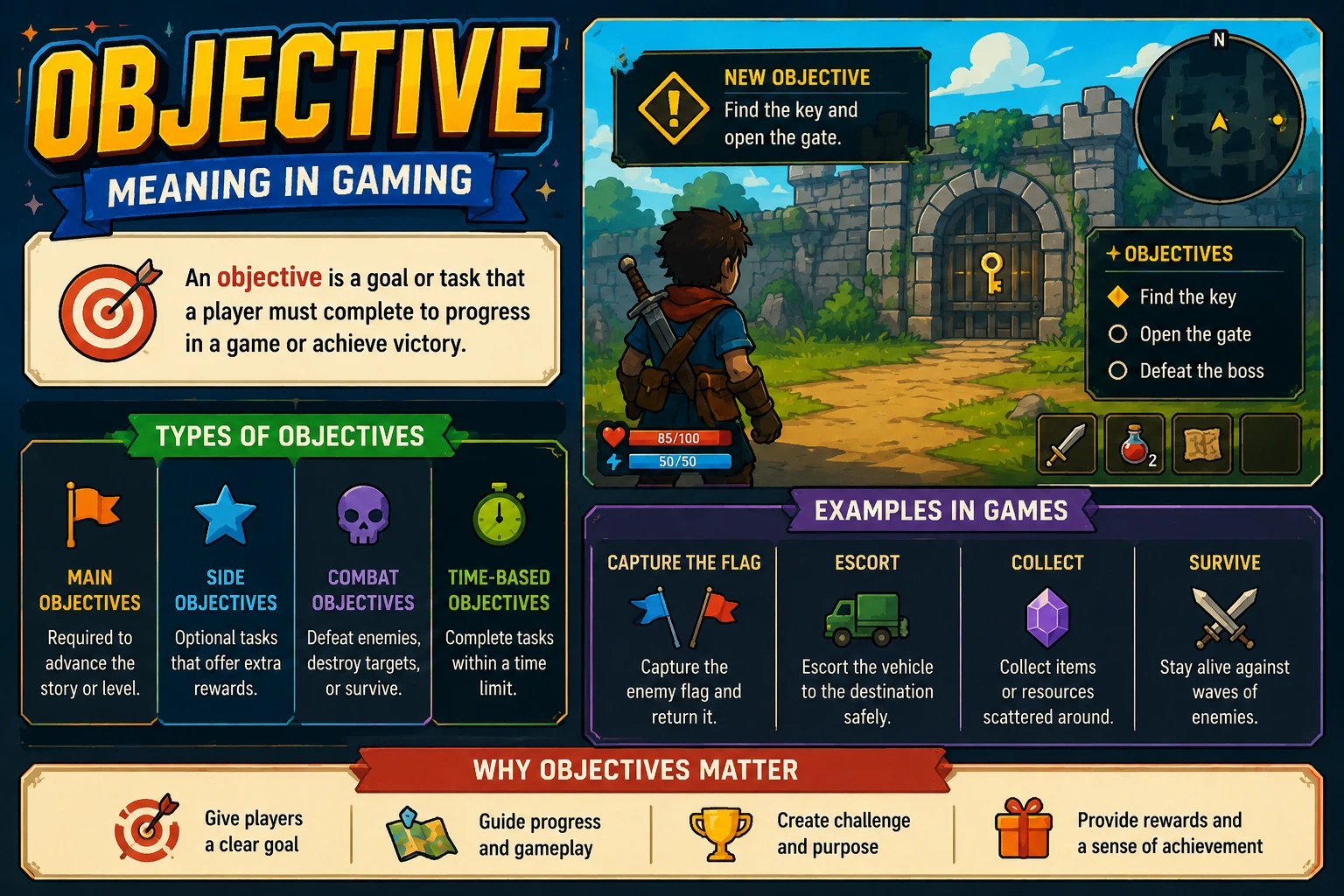
Daily task types vary by game design, but several archetypes recur across genres.
| Type | Typical Examples | Average Reward | Notes |
|---|---|---|---|
| Daily Kill/Combat Quests | Defeat 20 monsters in a region | 200–600 XP, 5–20 gold | Encourages consistent play and quick decisions |
| Daily Collection/Harvest Quests | Gather 15 herbs from the environment | 100–300 XP, crafting materials | Promotes exploration and resource gathering |
| Time-Restricted Events/Time Trials | Complete a dungeon within 25 minutes | 500–1,200 XP, rare drop material | Often includes progression gates |
| Exploration/Discovery Quests | Discover 3 hidden locations | 150–350 XP, map completion rewards | Encourages map knowledge |
| Objective Combos/Hybrid Quests | Finish 3 tasks in a single session | 200–400 XP | Promotes efficient play sessions |
Understanding these types helps players plan efficient routes and maximize rewards, especially when coordinating multiple daily challenges within a single session.
How daily timers and reset windows work
Daily timers and reset windows determine when dailies appear anew and when rewards refresh, shaping how players schedule their gameplay.
Two primary patterns drive resets: fixed-time resets anchored to a specific clock (usually server time) and rolling windows that start when you first complete a daily task and run for a full 24 hours. Fixed-time resets give a predictable daily rhythm, often at 00:00 or 04:00 server time, while rolling windows let players complete tasks at any time but must watch for a one-day cap that reopens after the window closes.
Some games stagger resets by region to balance populations, reduce server load, or reflect regional play patterns. Others combine both systems, applying a global reset while still offering partial refreshes for specific categories. In practice, this means rewards can appear or disappear based on your local time and the game’s intended daily cycle, so players should verify the exact window in the in-game calendar or official patch notes.
To avoid missed opportunities, track reset times with in-game clocks, calendar reminders, or third-party tools. If you play across multiple characters or game modes, note that different activities may reset at slightly different moments, so keeping a simple log helps you optimize the sequence of tasks during a single session.
Scope across genres and platforms
Dailies vary in scope across genres and platforms, adapting to the design goals and player expectations of each ecosystem.
In PC-centric MMORPGs, dailies often tie into character progression, faction reputation, and large-scale activities that benefit from party coordination and longer-term planning. The daily cadence supports steady gear upgrades and resource access, while keeping high-end content feel incremental rather than grindy. Mobile titles, by contrast, frequently emphasize bite-sized tasks that fit short sessions, rapid rewards, and high-frequency resets to sustain daily engagement. Console games may blend both approaches, offering a mix of solo challenges and cooperative content that align with couch gameplay and shorter session windows.
Cross-platform games attempt to unify progression across devices, but variations in input, performance, and local time settings can create uneven experiences. Developers often tailor daily content to the strengths of a platform—automatic actions or simplified controls on mobile, expansive zones and fast groups on PC, and accessible dashboards for console play—while preserving a coherent progression path.
Economies and pacing are also platform-sensitive. PC games may allow larger, rarer rewards accessible through dailies, while mobile games keep currency flow tight to maintain balance in a competitive free-to-play economy. Across genres, the goal is to keep daily play meaningful without forcing long sessions, ensuring players can return consistently without burnout.
Common terminology and related systems (weeklies, repeatables)
Weeklies, repeatables, and login incentives are common complements to dailies, shaping how daily activity translates into longer-term progression.
- Weeklies are higher-value, longer-duration tasks that reset weekly. They extend the daily cadence by rewarding significant progress with substantial XP, gear, or currencies, balancing daily habits with longer-term goals.
- Repeatables are tasks you can complete multiple times per day or week, designed to maintain steady progression without being overly time-consuming, often with diminishing returns.
- Login bonuses reward players simply for signing in, providing a gentle daily incentive and sometimes stacking with dailies, weekly, or event progress.
- Time-limited events create special, temporary activities tied to seasons, holidays, or collaborations, offering exclusive rewards and encouraging players to log in during the event window.
- Cross-platform progression tracks your daily activity across devices, ensuring you can complete dailies on mobile, PC, or console and still earn the same rewards.
Together, these related systems broaden engagement and help pace progression.
Dailies Features and System Specifications
Daily rewards are a core driver of player engagement because they provide predictable goals and immediate feedback for regular play. They shape expectations by detailing what players stand to gain from routine activity, helping to weave daily tasks into broader progression and seasonal events.
- Daily quests typically reward a blend of experience points, in-game currency, and faction reputation, promoting steady progression while avoiding the overshadowing of main story milestones.
- Progression mechanics often include cap increases or temporary boosts that unlock advanced missions, equipment, or crafting recipes, ensuring players feel continuous advancement after completing daily challenges.
- Reward variety leverages multiple currencies or tokens, allowing players to choose between immediate gear, cosmetic skins, or upgrade materials, which supports diverse playstyles and long-term goals.
- Cosmetic unlocks and limited-time items create ongoing desire to log in daily, while practical rewards like upgrade mats sustain efficient character growth for dedicated players.
- Streak bonuses or multiplier effects reward consistent play, encouraging players to maintain daily activity but with diminishing returns if sessions are skipped, balancing engagement and fairness.
- Progression is often tied to access gates, such as daily tasks providing keys, tokens, or reputation that unlock new areas, bosses, or higher tier weekly challenges.
- Additionally, some games convert daily rewards into anchors for social features, like cooperative raids or guild events, reinforcing community interaction and shared advancement across groups.
To maintain durability, designers tune reward types and unlocks so that each day feels meaningful yet leaves room for larger milestones within weekly or monthly cycles. Overall, a well-tuned daily system sustains a healthy cadence of play while reinforcing long-term progression, social engagement, and player retention across a game’s lifecycle.
Typical rewards and progression mechanics
Daily rewards are a core driver of player engagement because they provide predictable goals and immediate feedback for regular play. They shape expectations by detailing what players stand to gain from routine activity, helping to weave daily tasks into broader progression and seasonal events.
- Daily quests typically reward a blend of experience points, in-game currency, and faction reputation, promoting steady progression while avoiding the overshadowing of main story milestones.
- Progression mechanics often include cap increases or temporary boosts that unlock advanced missions, equipment, or crafting recipes, ensuring players feel continuous advancement after completing daily challenges.
- Reward variety leverages multiple currencies or tokens, allowing players to choose between immediate gear, cosmetic skins, or upgrade materials, which supports diverse playstyles and long-term goals.
- Cosmetic unlocks and limited-time items create ongoing desire to log in daily, while practical rewards like upgrade mats sustain efficient character growth for dedicated players.
- Streak bonuses or multiplier effects reward consistent play, encouraging players to maintain daily activity but with diminishing returns if sessions are skipped, balancing engagement and fairness.
- Progression is often tied to access gates, such as daily tasks providing keys, tokens, or reputation that unlock new areas, bosses, or higher tier weekly challenges.
- Additionally, some games convert daily rewards into anchors for social features, like cooperative raids or guild events, reinforcing community interaction and shared advancement across groups.
To maintain durability, designers tune reward types and unlocks so that each day feels meaningful yet leaves room for larger milestones within weekly or monthly cycles. Overall, a well-tuned daily system sustains a healthy cadence of play while reinforcing long-term progression, social engagement, and player retention across a game’s lifecycle.
Frequency and reset timing
Frequency and reset timing determine how often players can claim rewards and how quickly they see progress accumulate. A fixed daily cadence, aligned to server time, makes planning straightforward, while rolling or region-based resets can diffuse load and encourage regional activity. When crafting resets, teams consider regional peak times, language windows, and seasonal events to minimize friction. Transparency matters: clear in-client clocks, announcements, and countdowns help players synchronize their routines. Some titles implement partial progress carryover or soft caps around resets to preserve balance and prevent earlier farming from punishing later players. Fine-tuning these rules over previews and live tests is essential for sustainable engagement across time zones and player communities.
Reward scaling and pacing
Reward scaling and pacing govern how quickly daily activities translate into meaningful rewards. Early cycles should provide visible progress without overpowering core content, while later cycles gradually introduce rarer currencies and higher-tier items to sustain motivation. Designers often employ tiered rewards, auxiliary currencies, and choice-based rewards to support multiple playstyles. Environments may impose diminishing returns to discourage excessive farming while preserving a sense of value. Monitoring player behavior and adjusting thresholds based on retention data helps maintain fairness across new and returning players. Balancing speed and depth requires testing across regions, platforms, and popularity curves, ensuring that daily engagement remains rewarding without creating a grind that feels unrewarding or exploitative. Simulations and live data help tune thresholds over time.
Variety and content pipelines
Variety and content pipelines hinge on predictable cadences paired with rotating tasks and seasonal accents. A healthy pipeline alternates familiar routines with fresh objectives, ensuring veterans recognize value while newcomers find approachable goals. Cadence planning should mix short-term targets with longer ambitions to prevent fatigue and encourage ongoing participation. Regular updates—seasonal events, rotating objectives, and occasional limited-time rewards—keep the loop engaging and invite players back. Cross-ecosystem collaboration, such as challenges that span PvE and PvP or co-op events, extends reach and keeps daily loops relevant. Ensuring accessibility across regions and devices helps the daily cycle remain inclusive, scalable, and aligned with overall progression.
Design considerations for daily systems
Design considerations for daily systems require balancing simplicity, depth, and engagement. Core goals include clear reward value, manageable grind, and scalable content pipelines that can grow with a game’s lifecycle. Priorities often include ensuring daily tasks are accessible to new players, yet meaningful for veterans, and that the system remains fair across regions and playstyles. Designers must weigh time investment, server costs, player retention metrics, and monetization boundaries while keeping the core gameplay loop satisfying. Trade-offs include rigid predictability versus flexible customization, the risk of fatigue versus the benefit of habit formation, and how daily play interacts with weekly and monthly progression. Effective design relies on ongoing data-driven refinement and transparent communication.
Frequency and reset timing
Frequency and reset timing determine how often players can claim rewards and how quickly they see progress accumulate. A fixed daily cadence, aligned to server time, makes planning straightforward, while rolling or region-based resets can diffuse load and encourage regional activity. When crafting resets, teams consider regional peak times, language windows, and seasonal events to minimize friction. Transparency matters: clear in-client clocks, announcements, and countdowns help players synchronize their routines. Some titles implement partial progress carryover or soft caps around resets to preserve balance and prevent earlier farming from punishing later players. Fine-tuning these rules over previews and live tests is essential for sustainable engagement across time zones and player communities.
Reward scaling and pacing
Reward scaling and pacing govern how quickly daily activities translate into meaningful rewards. Early cycles should provide visible progress without overpowering core content, while later cycles gradually introduce rarer currencies and higher-tier items to sustain motivation. Designers often employ tiered rewards, auxiliary currencies, and choice-based rewards to support multiple playstyles. Environments may impose diminishing returns to discourage excessive farming while preserving a sense of value. Monitoring player behavior and adjusting thresholds based on retention data helps maintain fairness across new and returning players. Balancing speed and depth requires testing across regions, platforms, and popularity curves, ensuring that daily engagement remains rewarding without creating a grind that feels unrewarding or exploitative. Simulations and live data help tune thresholds over time.
Variety and content pipelines
Variety and content pipelines hinge on predictable cadences paired with rotating tasks and seasonal accents. A healthy pipeline alternates familiar routines with fresh objectives, ensuring veterans recognize value while newcomers find approachable goals. Cadence planning should mix short-term targets with longer ambitions to prevent fatigue and encourage ongoing participation. Regular updates—seasonal events, rotating objectives, and occasional limited-time rewards—keep the loop engaging and invite players back. Cross-ecosystem collaboration, such as challenges that span PvE and PvP or co-op events, extends reach and keeps daily loops relevant. Ensuring accessibility across regions and devices helps the daily cycle remain inclusive, scalable, and aligned with overall progression.
Technical implementation (server-side resets, tracking)
Technical implementation for server-side resets and task tracking combines scheduling, data integrity, and fault tolerance to deliver a reliable daily experience. At a high level, daily resets are triggered by a centralized clock and distributed to all game servers, with strict ordering guarantees to prevent duplicate rewards or skipped cycles. The backend must support multi-region, time-zone aware resets; events may be anchored to server time, and a global scheduler coordinates cross-region changes. Data models track user progress with immutable counters, rollback points, and idempotent reward grants. Reset tasks should be idempotent, retryable, and designed to tolerate partial failures without corrupting inventories. Auditing, metrics collection, and alerting are essential to detect anomalies such as failed grants or desynchronization between clients and servers. Backups, graceful failover, and feature flags help maintain uptime during updates. Release planning includes extensive QA, blue/green deployments, and rollback paths to protect progression continuity across patches. Operationally, teams monitor latency, completion rates, and anomaly rates in real time, using dashboards to track the health of the daily cycle across regions. Service level agreements (SLAs) define acceptable delays in reset propagation and reward delivery windows, and postmortems after incidents drive continuous improvement. Infrastructure as code, container orchestration, and automated rollouts ensure that daily logic changes can be tested and deployed without impacting ongoing play. Security considerations include protecting reward data from tampering and ensuring secure, authenticated permission checks for grant operations. In practice, developers simulate millions of daily cycles in staging environments to validate edge cases, such as overlap with weekly resets or cross-server handoffs, before enabling live players to experience the changes.
Balancing frequency and variety
Balancing frequency and variety requires a strategic approach to keep dailies engaging over the long term. Designers must weigh how often players should see new content versus familiar tasks to maintain comfort while avoiding fatigue. A practical method is to structure a core set of reliable daily objectives that rotate through a pool of variants, ensuring that even routine chores feel fresh. The pacing must account for different player populations: new accounts crave quick wins, while experienced players seek meaningful progression and strategic choices. Randomized or semi-random task generation can reduce predictability without removing intentional progression paths. Time-limited events and global campaigns provide spikes of excitement, but must be carefully integrated so that core daily loops remain intact. Finally, feedback from analytics and community input informs tuning decisions and helps prevent content fatigue.
Benefits, Use Cases, and Player Engagement
Daily tasks, or dailies, are recurring objectives that refresh each day in many games, creating predictable play rhythms. They embody the Meaning of dailies in gaming by offering quick, attainable goals that fit into short sessions while contributing to larger progress. Dailies support various use cases, from reinforcing daily login habits to driving steady rewards, currency income, and experience gains that unlock new content. They help sustain Engagement by providing ongoing goals that keep players returning, even during slower periods. For developers, well-designed dailies balance accessibility, challenge, and reward value, supporting sustainable progression and incentives without overwhelming players.
Why players complete dailies (motivation & psychology)
Understanding why players complete dailies involves unpacking both intrinsic and extrinsic motivators that operate in gaming ecosystems. Intrinsic motivation arises when tasks feel purposeful, challenging, and within a sense of mastery. Players enjoy activities that test skills, require planning, and offer clear feedback loops, and daily quests often provide these micro-challenges in a compact format. Autonomy matters as well; when players can choose among a rotating set of tasks or tailor how they approach a daily objective, they experience a sense of ownership over their play session. Curiosity also plays a role: rotating dailies and limited-time objectives spark interest and exploration, nudging players to learn the game’s systems more deeply. On the extrinsic side, rewards, progression, and social signaling pull players back day after day. Clear incentives—XP, currency, and items—immediately reinforce the behavior, while the prospect of a new level, gear upgrade, or cosmetic unlock provides motivation to complete the next daily. The dopamine-driven loop is powerful: a completed objective yields a small reward, creating a brief moment of satisfaction that encourages another attempt. Habit formation is reinforced by login reminders, progress indicators, and visible streaks, which can turn a single daily task into a reliable part of a routine. Social factors amplify motivation too: cooperative tasks, guild milestones, and global or local leaderboards give players a sense of belonging and healthy competition. Yet balancing intrinsic and extrinsic drivers is essential for long-term satisfaction; excessive emphasis on rewards can shift play toward grind rather than meaningful engagement, while too little structure may fail to provide clear direction for new or returning players. In essence, why players complete dailies hinges on a blend of personal fulfillment, tangible progression, and social context, all shaped by how a game designs its daily task economy.
Benefits for players (rewards, routine, skill-building)
For many players, daily tasks deliver tangible, repeatable gains that stack into bigger goals over time. The table below outlines common rewards and how they influence play, illustrating why these tasks stay appealing across genres.
| Reward Type | Player Impact |
|---|---|
| Experience Points (XP) | Speeds level or skill point progression, enabling access to higher-tier tasks and abilities. |
| In-game Currency | Funds gear upgrades, consumables, or crafting materials, supporting ongoing play without external purchases. |
| Cosmetics or Limited Items | Boosts customization options and social signaling, increasing player satisfaction and ownership. |
| Temporary Buffs or Resource Boosts | Enhances efficiency in daily activities, making repetition feel less tedious and more rewarding. |
Overall, the combination of immediate rewards and longer-term progression helps sustain daily engagement and funnels players toward desired goals.
Developer/business benefits (retention, monetization)
From a business perspective, dailies provide reliable hooks for retention and monetization that are highly valued in modern game design. Retention hinges on daily touchpoints: players who log in regularly form habits that translate into higher lifetime value and more stable peak concurrent users. Daily tasks offer a lightweight, low-friction entry point that rewards short, satisfying play sessions while steering players toward longer-term goals. When progression is tied to daily rewards, developers create a predictable cadence that encourages players to return at predictable times. This structure also supports monetization strategies such as premium passes, boosters, and time-limited bundles that extend content appeal without forcing endless grind on non-paying players. By pacing rewards and providing optional premium options, studios can monetize while preserving balance for free-to-play users. Beyond revenue, dailies help guide players toward new content, smooth onboarding after updates, and continued exploration of the game’s systems. A well-run daily system can boost engagement metrics like daily active users (DAU), session length, and return rate, while minimizing fatigue by offering varied objectives and meaningful, non-punitive progression. However, design must guard against creating a gating mechanism that feels punitive, and should ensure that casual players can still enjoy the title without paying or grinding beyond reason. In practice, successful daily systems blend clear goals, attainable rewards, and accessible paths to growth, while aligning with the game’s overall economy and player expectations. When done well, dailies support ongoing discovery and player satisfaction, contributing to word-of-mouth growth and long-term stability for the title.
Potential harms and ethical considerations
While dailies are a common design tool, they raise important concerns about player well-being, fairness, and the broader gaming culture. The most widely discussed risk is time-related addiction: daily loops can encourage compulsive checking, especially when rewards are tiered or incentivized by streaks. This can lead players to overinvest time, sacrificing real-life obligations. Fairness issues arise when daily rewards interact with monetization mechanics, creating a perceived or real pay-to-progress dynamic that widens gaps between paying and non-paying players. Ethical concerns also include the invasive nature of data collection used to tailor daily tasks, personalized nudges, and dynamic difficulty that may pressure vulnerable players. To mitigate harms, designers should implement responsible features such as opt-out options for daily reminders, transparent reward scales, clear disclosure of monetization links, and accessible difficulty that does not disproportionately punish new or casual players. Other safeguards include setting reasonable caps on daily rewards, offering alternative avenues for progression, and ensuring that social features do not coerce participation. For child and teen players, age-appropriate content, parental controls, and restricted monetization are essential. In short, recognizing the potential downsides helps studios balance engagement with well-being, privacy, and fairness. Properly designed daily systems respect players’ time and autonomy, provide meaningful options to participate, and align with a broader code of conduct that values healthy gaming experiences over short-term revenue spikes.
Pricing, Offers, and Getting Started
Daily tasks, or dailies, are bite-sized objectives players can complete each day to earn rewards, progress, and currency. They exist across many genres, from MMOs to mobile gacha games, and they help structure ongoing play. Understanding how dailies work, what rewards they offer, and how they fit into monetization is essential for players aiming to optimize their time. By analyzing pricing, bundles, and getting started strategies, you can balance free play with paid options while maintaining steady advancement. The topic also covers how daily challenges keep players engaged, the typical rewards ladder, and common strategies to maximize efficiency.
How dailies tie into pricing and in-game purchases
Daily dailies are a common mechanic that ties habit formation to monetization. Developers leverage the predictable cadence of daily tasks to create micro-goals that players can complete in short sessions, which in turn generates ongoing revenue through premium currency, boosts, and bundles. The core idea is to provide meaningful choices each day without locking progression behind paywalls that discourage free players.
In many games, daily quests align with the game’s pricing structure by offering both free and paid options. Free dailies deliver modest rewards to keep players engaged, while paid paths enhance rewards, speed up progression, or unlock additional daily challenges. This tiered approach allows players to choose whether to invest based on their own goals and budget, rather than forcing purchases to access essential content.
Time-limited dailies and rotating bundles are common monetization tactics. A time-bound daily offer can create urgency, nudging players to spend premium currency or real money before the window closes. The reward values are calibrated so that the expected return from completing the daily aligns with its cost, motivating ongoing participation without creating a hard paywall.
From the player’s perspective, the relationship between dailies and pricing comes down to value. If a daily quest grants a respectable amount of currency, stamina, or crafting materials, and a premium option promises noticeably better resources, most players will weigh whether the extra value justifies the cost. The best designs enable smooth progression for free players while offering aspirational upgrades for paying ones, maintaining a sense of fairness and inclusivity. Some games even tie daily rewards to a seasonal currency that can only be earned through daily tasks, providing a clear incentive to check in each day.
Ultimately, dailies work best when the pricing structure is transparent and predictable. Players should be able to forecast how long it will take to reach a milestone by combining daily tasks with other playstyles, and publishers should communicate the relative value of paid paths clearly to avoid confusion or resentment.
Common offers and daily bundles
Common daily bundle offers fall into two broad categories: free options that reward regular players and paid bundles that provide a faster cadence or more valuable loot.
Free bundles are typically small, offering coins, energy, or cosmetic keys after you log in or complete a set of tasks. They create a sense of ongoing reward without spending money, which helps retention and daily activity.
Paid bundles usually combine multiple dailies, currency, and sometimes a cosmetic item or boost into one discounted package. The value proposition hinges on reward density and timing, with some bundles offering limited-time access to items that would otherwise be harder to obtain.
Season passes or tiered daily offers provide a predictable upgrade path. As you progress, you unlock better rewards for a modest price, and the rotating catalog keeps the choices fresh. When evaluating offers, examine the cost per reward unit and whether premium content complements your preferred playstyle rather than forcing you into a single path.
Getting started: how to find and complete dailies
Getting started with dailies is easier than it looks. The moment you log in, you likely have a few daily tasks waiting in your quest or activities panel, and a quick plan can set you up for steady rewards. Here’s a starter checklist to help new players locate and complete dailies effectively:
- Open the daily objectives tab from the main HUD, then scan for tasks that match your current level and available time, prioritizing those with higher payoff and shorter completion requirements.
- Activate any filter or sort option to show time-sensitive or high-value quests first, reducing guesswork and helping you hit more rewards in a single session.
- Complete tasks quickly by grouping them by location or required actions, avoiding backtracking and minimizing travel time between objectives each cycle.
- Use any available boosts or energy refills strategically, saving premium resources for days when you have an extended play window to maximize returns.
- Track progress in a daily log or in-game calendar to avoid missing consecutive-day bonuses and to plan ahead for important milestones and upcoming events.
After you finish the listed tasks, review your rewards and adjust your plan for tomorrow to maximize efficiency.
Tips for new players
New players should focus on establishing a reliable daily routine rather than chasing top-tier rewards from the start. Begin with the simplest dailies to build familiarity with the interface, reward cadence, and time requirements. Prioritize tasks that align with your goals, whether that means currency for progression, crafting materials for gear, or experience to level up quickly.
Consistency beats intensity. Logging in every day builds momentum, unlocks ongoing bonuses, and helps you avoid missing out on streak rewards that can compound over time. If a daily task is too time-consuming, consider splitting it into shorter sessions across multiple play windows to maintain progress without feeling overwhelmed.
Plan around your real-life schedule. If you know you have a long commute or a lunch break where you can play for 15–20 minutes, target dailies that fit into that window. This alignment helps you complete more tasks without sacrificing other activities outside the game.
Use a simple tracking method. A calendar reminder, in-game journal, or even a note on your phone can keep you aware of reset times, reward types, and your daily total. Tracking progress reinforces good habits and reduces the risk of overlooking rewards.
Learn when to invest premium currency. Reserve paid options for days when you expect longer sessions or when a bundle clearly accelerates your progression toward a milestone. Avoid spending on cosmetics or boosts that have no impact on your immediate goals unless they fit your personal preferences.