Turret Meaning In Gaming: Definition and Examples
Turrets are automated defensive structures that players encounter or deploy across many game genres, acting as stationary guardians that extend a map’s defensible space.
They typically guard important lanes, objectives, or choke points, forcing attackers to adapt their approach.
The meaning of a turret varies by genre but usually involves targeting enemies within a defined range, following line-of-sight rules, and operating under cooldowns or power constraints.
Turret design spans simple, single-shot emplacements to more sophisticated setups that combine area denial, detection, or multi-shot capabilities.
Understanding turret mechanics, their types, and placement rules helps players craft strategies that leverage defense for team play or pressure for map control.
What is a Turret?
Turrets are automated weapons placed in the game world to defend territory, protect objectives, or deter enemy advances without direct human control.
They operate independently once placed, using a predefined targeting system to select enemies within range and to fire at set intervals.
Most turrets have hit points, a limited engagement range, and a cooldown between shots, making them vulnerable to concentrated fire or repair. Some designs layer additional rules, such as requiring line of sight or power to remain active, or prioritizing targets with the highest threat.
Turrets can be designed to affect different unit types, favor ground attackers, or punish flanking routes through splash damage or area denial.
The balance of turret strength versus mobility often drives the tempo of a match, influencing when teams choose to force through defended lanes or pivot to alternative objectives.
In many games, turret health can be restored by allies, while destroying a turret yields strategic rewards like map visibility, resource bounty, or a shift in map control.
Types of Turrets in Games
The table below outlines common turret types and how they differ in behavior and strategic value.
| Type | Core Mechanic | Typical Range | Targeting | Common Game Genres |
|---|---|---|---|---|
| Static Turret | Fixed position; fires automatically | 8–15 units | Ground units; line of sight | Strategy, MOBA, RTS |
| Sentry Turret (Autonomous) | Tracks targets within a zone | 6–12 units | Ground and sometimes air | Shooter, MOBA, RTS |
| Missile Launcher Turret | Fires missiles with splash or homing | 12–20 units | Ground and air | RTS, sci-fi shooters |
| Laser Turret | Beams or rapid-fire lasers | Long-range but narrow arc | Ground/air with line of sight | Sci-fi strategy, tower defense |
| Deployable Turret | Portable turret placed by player | 6–12 units | Primary target in sight | Team-based shooters |
Understanding these differences helps players plan defense and offense around turret capabilities.
How Turrets Work (Mechanics)
Turrets share several universal mechanics that govern their behavior across games, while each title adds its own twists for balance and flavor.
First, range defines how far a turret can detect and engage targets, and it often interacts with line-of-sight rules to prevent weakly protected builds from reaching critical points.
Second, targeting rules determine which enemy unit a turret prioritizes—nearest threat, highest threat, or a specific class like healers or invisible units.
Third, power or resource costs limit how many turrets a player can deploy, influence how long they stay active, and dictate how quickly destroyed turrets can be rebuilt or repaired.
Some games implement cooldowns per turret to curb rapid firing, while others allow short bursts or charging periods during key phases of a match.
Fourth, durability matters: high health points let a turret endure focused fire, whereas fragile variants demand careful placement and timely repairs to maintain pressure.
Finally, turret interactions with counter-tactics—crowd control, terrain tricks, or stealth exploits—shape how players approach defense and attack around these structures.
Understanding these mechanics helps players predict turret behavior, coordinate with teammates, and choose when to invest in defense or push through contested zones.
Examples from Popular Games
In League of Legends, turrets guard each lane from minion waves and champions; they drive map control, grant gold when destroyed, and force strategic rotations.
In Dota 2, towers on multiple lanes plus river area provide essential map defense and influence late-game pushes by shaping when teams commit to sieges.
StarCraft II’s missiles are turret-like structures that defend mineral lines and airspace, offering detection and long-range fire, though they require minerals, power, and repair to stay active.
Team Fortress 2 engineers deploy Sentry Guns that auto-fire at enemies, shaping zones, pressuring attackers, and enabling tactical plays with upgrade options and placement choices that amplify control.
Overwatch lets Torbjörn build a turret that auto-targets enemies, provide constant pressure near crucial points, scale with ultimates, and create reliable focal points for teammates to coordinate around while seeking decisive map moments.
Tactical Roles and Use Cases
Turrets can anchor a defensive line, allowing teammates to rotate and trade resources more safely. Placement logic—favoring high ground, corners, or behind cover—maximizes uptime while exposing attackers to multiple firing angles.
The best turret setups combine offense and defense: a turret near an objective creates a choke point that punishes rushing lines while another guards flanks, enabling safer advances elsewhere.
A common approach is to mix stationary and mobile defenses so enemies cannot simply outrun automated fire, forcing them to clear threats before advancing.
Turrets also affect pacing: teams must decide whether to risk clearing a turret early or wait for synergy with stronger timing windows or ultimate abilities.
In competitive contexts, turret uptime matters as much as kill counts, since removing a turret can swing map control, grant vision, and alter resource flows during decisive late-game moments.
Players optimize turret play by aligning their defense with map knowledge, resource management, and counter-counter strategies that counter counter-tactics from opponents.
Product Overview: Turret Gaming Guide Features and Benefits
Explore Turret Meaning In Gaming through a structured guide that demystifies turrets as strategic and architectural elements across genres.
This article defines turrets, explains their mechanics, and demonstrates how automated defenses shape space, tempo, and decision making in both cooperative and competitive play.
You will find practical examples, framing techniques, and balanced guidelines to help players optimize turret use while enabling developers to design more engaging experiences.
The content is designed for gamers, designers, and educators seeking clear, actionable insights that translate into better performance and more informed design choices.
Using the included features, case studies, and placement guidance, you can build a cohesive understanding of turret strategy and its impact on team play and objectives.
Overview of the Guide
This overview explains the purpose of the Turret Gaming Guide and positions it within a broader effort to improve both gameplay experience and design quality for players, developers, and educators who study and teach modern interactive systems.
The guide defines turret concepts, outlines their roles across genres and modes, and introduces core mechanics that determine how automated defenses influence space control, tempo shifts, resource management, and decisions under uncertainty.
It also maps common variations such as stationary sentries, mobile emplaced weapons, and hybrid systems, noting how each interacts with line of sight, cover, line of retreat, and reinforcement timing.
Practical outcomes are described in terms of gameplay impact and design considerations, including how turrets influence map space, match pacing, pressure dynamics, and the perceived fairness of encounters.
Readers will learn to assess turret placement, balance density, and interaction with other systems such as objectives, abilities, and environmental hazards to promote engaging, varied experiences across player populations.
The overview ends with guidance on applying the material to research, design reviews, and community education, ensuring that ideas about turrets are communicated clearly and tested in diverse contexts. By doing so, players and designers build a shared language that supports experimentation and responsible iteration.
By linking theory to practice through examples, diagrams, and scenario analyses, readers can internalize turret concepts faster and apply them with confidence in new releases. This clarity helps non specialists engage with turret topics confidently and contributes to more informed conversations. This guide aims to provide enduring value that stands up to scrutiny across communities and game updates.
Key Features
The Key Features section distills what you will gain from this guide, presenting practical, battle-tested insights that translate turret theory into actionable play and design decisions for players across casual and competitive scenes alike.
Each bullet captures a core capability, from definitions and examples to mechanics and placement strategies, enabling quick scanning as well as deep dives when needed during rapid game sessions and thoughtful study.
- Clear definitions of turret concepts across genres, accompanied by real-world gaming scenarios to connect theory with practical in-game decisions for players of all levels.
- Illustrative examples show how turrets impact map control, objective timing, and team coordination, highlighting when to rely on automated defenses and when to push aggressively.
- Detailed turret mechanics cover targeting, range, damage, armor interactions, detection, uptime, and cooldowns, enabling players to estimate threats and plan counters with precision.
- Practical asset: map-aware placement and positioning guidelines help developers balance turret density and encourage dynamic gameplay without overwhelming players in competitive modes.
- Case studies compare turret use across popular titles, showing successful implementations, missteps, and contextual adjustments based on game pace, player skill, and objective requirements.
- Guidance on measuring turret effectiveness includes metrics, telemetry considerations, and feedback loops for ongoing balancing work during live service games.
Together, these features help readers quickly assess turret-related content and plan strategies for diverse title types in live matches, tournaments, or casual play.
Use this guide as a reference during study sessions, then apply the concepts in practice, scrimmages, and live games to iterate toward better outcomes.
Benefits for Players and Developers
This section presents the benefits of understanding turret dynamics for players and developers alike, with practical guidance you can apply in real games and in design work.
For players, mastering turret concepts improves risk assessment, resource management, and decision making, leading to more reliable performance and fewer unexpected losses when zones of control shift during a match.
Players gain better anticipations of defense patterns, counterplay opportunities, and pacing, which translates into smarter engages, safer retreats, and more effective team coordination in diverse modes.
Developers benefit from a structured framework for balancing, testing, and documenting turret systems, which reduces ambiguity, accelerates QA cycles, and supports clearer communication with players and stakeholders.
Marketing and community teams can leverage the material to explain changes with accuracy, create compelling tutorials, and produce content that resonates with both newcomers and veterans.
The guide also emphasizes measurable outcomes, such as objective control metrics, map flow indicators, and response to turret density, to support iterative design and ongoing balance improvements.
In addition, the material helps educators and analysts translate turret dynamics into accessible demonstrations, case studies, and references that support learning and informed discussion.
Ultimately, mastering turrets yields practical, scalable benefits across playstyles and production cycles, turning a defensive mechanic into a versatile tool for strategic depth. This guide seeks to make turret knowledge actionable and durable across titles and generations.
This value extends to live updates, tournaments, and community events where clear turret concepts help participants reason about changes with confidence and fairness.
Who this Guide is For
This guide is intended for players at all skill levels who want to deepen their understanding of turret dynamics beyond basic stereotypes.
Newcomers benefit from clear definitions, practical examples, and guided reading that demystifies how turrets shape space, threat perception, and safe zones on a map.
Intermediate players gain insights into timing windows, counterplay opportunities, and flow management that translate into more reliable performance under pressure.
Developers and designers gain a structured framework for balancing, testing, and communicating turret related changes across patches, plus a shared vocabulary for cross team collaboration and review.
Educators, community managers, and analysts can leverage the material to teach concepts, explain updates, and translate complex mechanics into accessible explanations for diverse audiences.
How to Use the Guide
To maximize value, start with the Overview to align expectations and then move through Key Features to establish a mental map of core concepts and practical examples.
Read the Benefits section to understand what each concept contributes to gameplay and design, then refer to the Who This Guide is For portion to confirm relevance to your role.
Use the How to Use the Guide section to establish a personal reading plan, focusing on sections most relevant to your goals, whether you are studying, designing, or coaching others.
When reading, take notes on definitions, mechanics, and placement guidelines, and compare them against your own games or current project to identify gaps and opportunities for improvement.
Finally, apply the material in practice sessions, scrimmages, and live play, then review outcomes with teammates or stakeholders to refine turret strategies and balance decisions over time.
Technical Specifications and Compatibility
Technical specifications and compatibility address how gaming turrets operate across different platforms and game engines. This section explains supported platforms, engine integrations, and performance expectations so developers and players can anticipate behavior in varied environments. You will learn about cross-platform concerns, modding readiness, networking implications, and how turret systems scale with hardware and game design choices. By outlining practical requirements and best practices, this section helps teams plan turret-driven defenses that feel responsive and robust in diverse setups. The goal is to align turret functionality with platform capabilities while preserving gameplay balance and reliability across engines.
Supported Platforms and Engines
Platform reach and engine integration determine how turrets behave under load and how players interact with automated defenses.
| Platform/Engine | Turret Support Level | Cross-Platform Compatibility | Notes |
|---|---|---|---|
| PC (Windows, Linux) | Full | Excellent parity across desktop OS | Ideal for high fidelity turrets and complex AI; supports scripting and physics simulations. |
| PlayStation 5 / Xbox Series X|S | Full to high | Strong parity with PC at optimized settings | Requires tuned assets to hit target frame rates; use engine features for scalable LODs. |
| Nintendo Switch | Partial | Limited by GPU bandwidth | Lightweight presets recommended; emphasis on frustum culling and simplified textures. |
| Mobile iOS / Android | Basic to mid | Mobile builds with platform-specific optimizations | Balance energy use and tick rate; consider texture compression and reduced AI complexity. |
Engine-specific optimizations and platform constraints will shape turret aesthetics and physics without altering core mechanics. This table is a practical guide for planning turret implementations across diverse hardware and ensures consistent behavior in multi-platform releases.
Hardware Requirements and Performance Tips
To ensure turrets run smoothly across devices, start from a reasonable baseline of system requirements and scale up with your target audience. A practical minimum often includes a 3.0 GHz quad core CPU, 4 GB of system RAM, and a mid range GPU with at least 2-3 GB of VRAM, though many modern builds demand more for higher resolutions and complex lighting. For PC and console deployments, developers commonly target 60 frames per second at 1080p or 1440p with occasional upscaling to preserve headroom for AI calculations and network traffic. Memory bandwidth matters as turret AI and particle effects compete with texture streaming, so architects should plan accordingly.
Texture compression, streaming and LOD management help keep memory budgets in check while preserving visual fidelity where it matters for turret silhouettes and targeting visuals. Use a combination of texture atlases, mipmapping, and aggressive culling to avoid overdraw when many turrets swarm a single area. Evaluate the physics tick rate and factor in the cost of collision checks, rigid body dynamics, and projectile physics. Parallelize turret logic with multithreading or a job system where possible, and consider a director component that can throttle AI decisions during intense battles to maintain stable frame times.
Document minimum and recommended specs clearly for players and partners so modders can gauge compatibility with their builds. Provide guidance on how different quality presets affect turret components such as meshes, shaders, and collision shapes. Finally, keep a living checklist of optimization goals tied to platform targets, including memory budgets, draw calls, texture sizes, and AI update frequency, so future patches can iterate without destabilizing performance.
Integration and Modding Support
Turret systems should expose clean integration points for mods and tooling. A well designed API provides event hooks for spawning, targeting, and decommissioning turrets, along with overridable AI parameters and physics settings. Data-driven definitions, Lua or JSON bindings, and a stable mod contract help maintain compatibility across updates while empowering creators to tailor behavior without touching core code.
Modders typically expect access to configuration files, script bindings, and asset pipelines that fit into the game’s mod framework. Provide a documented interface for turret variants, materials, and behavior presets, as well as safe sandboxed environments to test new behaviors. Encourage extensible data-driven definitions rather than hard coded values to minimize breakage across updates.
From an engineering perspective, ensure turret state changes are serialized consistently and that custom content can be validated on load. Support hot reload in development builds and provide clear error reporting to help modders diagnose issues quickly. A robust modding story can significantly extend the lifecycle of a turret system while keeping balance intact.
Network and Multiplayer Considerations
Turret synchronization in multiplayer hinges on a clear authority model and predictable replication. In most modern games, the server maintains authoritative turret state to prevent client-side cheating and to guarantee consistent behavior across players.
Key aspects include replication of turret positions, target choices, firing cooldowns, and projectile logic. Implement tick-based updates or fixed timestep physics to keep determinism, and use interpolation and extrapolation to hide latency without creating jittery motion. Predictive rendering helps clients feel responsive but should be bounded to avoid desyncs.
Latency, packet loss, and bandwidth constraints influence turret behavior. Techniques such as state compression, delta updates, and rate limiting of updates are essential for large battles with many turrets. Consider optimizing network traffic by batching turret state changes and prioritizing critical events, such as alarm triggers or turret disablement, over cosmetic changes. Finally, document your network model for developers and QA so multiplayer turret behavior remains predictable as the game evolves.
Additionally, evaluate the impact of server tick rate on turret AI decisions. A higher tick rate improves responsiveness for near real-time defense, but it increases CPU load on the server. Balance tick rate with the number of turrets, their AI complexity, and the expected player density. This balance becomes a design constraint for both performance and fairness in competitive modes.
Pricing, Plans, and Limited-Time Offers
Pricing models shape how players access and experience turret mechanics across different titles. Choosing the right plan can influence how quickly you unlock advanced turret control, customization options, and collaborative features that teams rely on in competitive modes.
This section breaks down common pricing structures so you can balance upfront value with ongoing access to turret-related capabilities.
- One-time purchase with permanent access to core features and updates, offering a predictable upfront cost and long-term value without recurring payments for many players.
- Monthly subscription that unlocks premium content, early access to new turret-related features, and exclusive cosmetics, balancing ongoing support for the game with steady revenue.
- Freemium model where basic gameplay is free but advanced turret control options, stat boosts, and customization are behind optional microtransactions.
- Season pass or battle pass style pricing offering tiers of challenges and rewards across a cycle, encouraging regular play and planned content drops.
- Tiered bundles that package core features with add-ons and convenience items, allowing players to choose a cost-effective option that matches their preferred playstyle.
- Pay-as-you-go microtransactions for specific in-game turrets, skins, or boosts, giving flexibility but potentially higher long-term costs if used heavily over time.
Remember that the best plan aligns with how you play and your willingness to invest over time. Always compare per-feature value rather than just the monthly price.
Typical Pricing Models
Pricing models shape how players access and experience turret mechanics across different titles. Choosing the right plan can influence how quickly you unlock advanced turret control, customization options, and collaborative features that teams rely on in competitive modes.
- One-time purchase with permanent access to core features and updates, offering a predictable upfront cost and long-term value without recurring payments for many players.
- Monthly subscription that unlocks premium content, early access to new turret-related features, and exclusive cosmetics, balancing ongoing support for the game with steady revenue.
- Freemium model where basic gameplay is free but advanced turret control options, stat boosts, and customization are behind optional microtransactions.
- Season pass or battle pass style pricing offering tiers of challenges and rewards across a cycle, encouraging regular play and planned content drops.
- Tiered bundles that package core features with add-ons and convenience items, allowing players to choose a cost-effective option that matches their preferred playstyle.
- Pay-as-you-go microtransactions for specific in-game turrets, skins, or boosts, giving flexibility but potentially higher long-term costs if used heavily over time.
Review each model against your expected play rate, your team’s needs, and how quickly you expect to reach key milestones that require premium access or exclusive content.
What’s Included in Each Plan
What’s included in each plan varies by vendor and game, but most offerings share a core structure that players should expect. A typical plan will grant access to the base game, regular updates, and a defined window of playtime or server access, along with some level of customer support. Higher tiers usually add priority access to new turret features, extended customization options, and reduced cooldowns or resource costs inside matches.
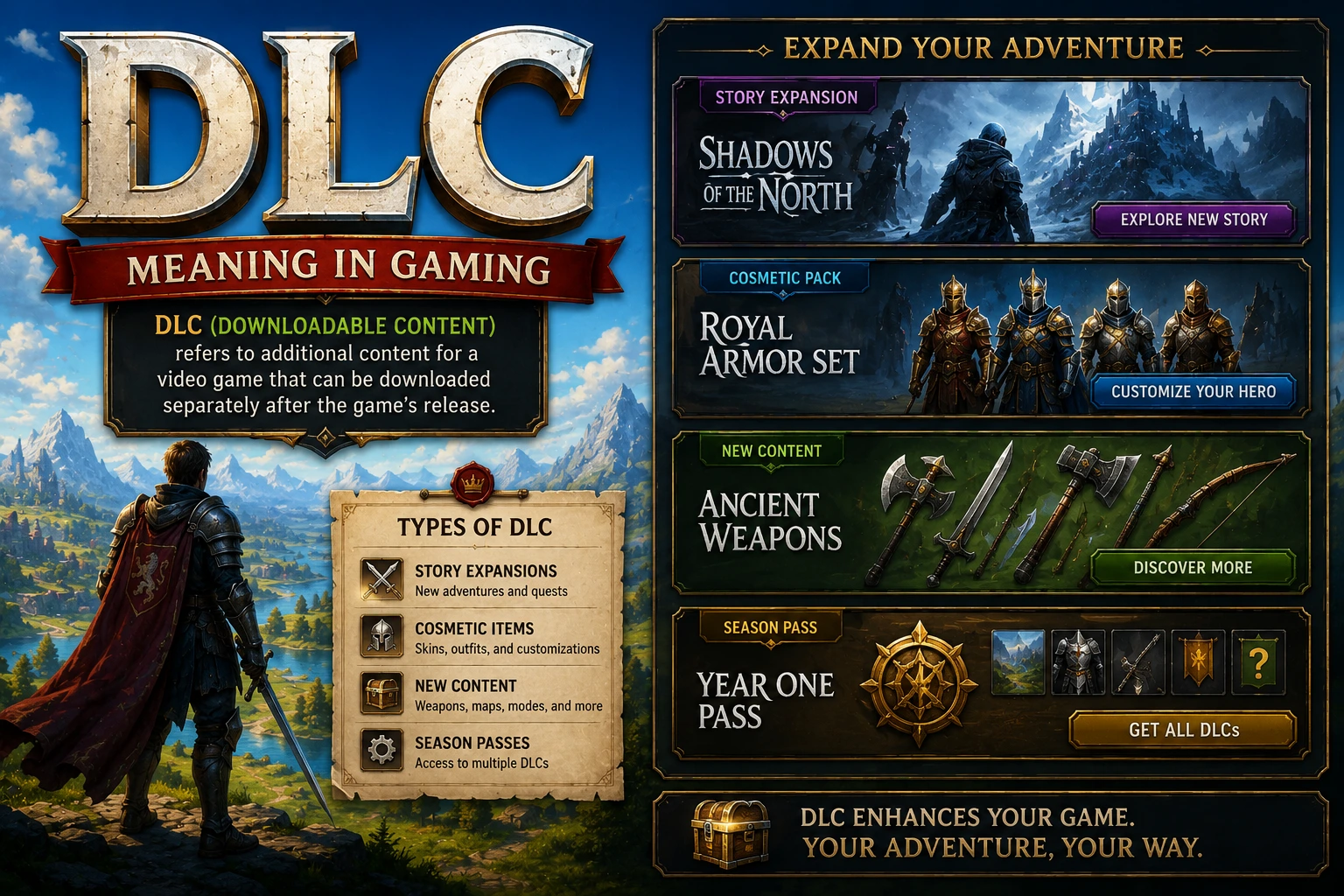
Beyond the core inclusions, many plans enumerate limits and allowances. These can include the number of concurrent accounts, the amount of in-game currency, the capacity for DLC packs, and the length of time you can retain access to premium tools after a lull in subscription. Some providers also bundle add-ons such as early beta access, exclusive skins, or seasonal rewards to increase perceived value. When evaluating plans for turret-based gameplay, also note cross-platform compatibility, cloud saves, and whether progress carries across titles. Finally, look for renewal terms and what happens if you miss a payment, as well as how easy it is to cancel and recover unused benefits.
Free vs Paid Features
Free features provide the baseline experience and allow new players to test turret mechanics without commitment. The core game loop, basic turret placement, and standard match progression are typical inclusions that come at no cost while players acclimate to controls. However, free tiers often limit customization options, reduce spawn timers, and restrict access to advanced tools such as multi-turret control or enhanced targeting modes.
Paid features expand capabilities, typically offering faster progression, more robust turret management, and access to premium maps or modes. Upgrades may include extended turret range, faster build times, improved stability under pressure, and cosmetic options that do not affect balance but enhance visibility and identity. In team play, paid features can translate into coordinated strategies through dedicated comms tools, shared filtrations of enemy routes, or priority equipment drops. The key is to assess whether those advantages are essential to your preferred style or simply aesthetic credits tumbling into your wallet. Always compare the marginal value of each paid feature against its price, and consider whether the benefits scale with your skill and time commitment.
How to Choose a Plan
Choosing a plan should be a deliberate decision based on how you play, your team’s needs, and your budget. Start by listing the turret features you value most, such as placement flexibility, rapid deployment, or cross-title progression, then map those needs to plan tiers and price points.
Next, estimate how often you expect to use premium tools each month. If you frequently engage in competitive modes with turrets involved, prioritize options that offer priority access, reduced cooldowns, and higher currency caps. If you play casually or solo, a basic plan that covers core updates and essential upgrades may deliver stronger value with less risk.
Consider the total cost of ownership rather than upfront price. A plan with a low monthly fee might invite extra charges in the form of microtransactions or mandatory DLC purchases, while a higher-tier option could include bundles that reduce the need for additional purchases. Look for plans with flexible renewal terms, clear cancellation policies, and transparent feature lists that show exactly what you gain at each tier. Validate whether progress and purchases are portable across devices or titles, which matters whether you switch games or share with teammates. Finally, test compatibility with your platform and hardware, ensuring that the plan delivers stable performance during high-pressure turret battles rather than slowing you down with outages or latency.